A blockage in a heart artery can develop slowly without causing obvious symptoms. You may feel completely fine until the blockage becomes severe or affects blood flow to the heart.
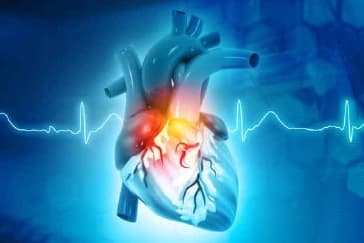
A blocked artery in the heart usually refers to a narrowing or blockage in the coronary arteries. These blood vessels supply oxygen-rich blood to the heart muscle. When fatty deposits build up inside an artery, blood flow can become restricted. This condition is called coronary artery disease (CAD).
Blocked heart arteries do not always mean that you need a stent or bypass surgery. Treatment depends on the location and severity of the blockage, your symptoms and your overall heart health.
Your heart needs a constant supply of oxygen and nutrients to keep working. The coronary arteries provide this blood supply.
Over time, cholesterol, fat and other substances can build up inside the artery walls. This creates a deposit called plaque. As plaque grows, the artery can become narrower.
A narrowed artery may reduce blood flow to the heart muscle. If a plaque suddenly ruptures and a blood clot forms, the artery can become completely blocked. This can cause a heart attack.
Blocked arteries can affect one or more coronary arteries. The severity can range from mild narrowing to a complete blockage.
People often ask, “How many arteries in the heart can be blocked?”
The heart has several coronary arteries, which branch into smaller vessels. The three major coronary arteries commonly discussed are:
The left main coronary artery divides into the LAD and LCx arteries.
This is why you may hear the term “3 main arteries of the heart blocked.” However, coronary artery disease can affect the major arteries as well as their smaller branches.
The number of blocked arteries is only one part of the picture. The location, severity and effect on blood flow are also important.
There are many misconceptions about coronary artery blockages. Understanding what is true can help you recognise warning signs and seek care at the right time.
|
Myth |
Reality |
|
A blocked artery always causes chest pain. |
Some people have no obvious symptoms, especially in the early stages. |
|
A 100% blockage is the only dangerous blockage. |
Even a partial blockage can be serious, depending on its location and symptoms. |
|
Every blockage needs a stent. |
Some blockages can be managed with medicines and lifestyle changes. |
|
Bypass surgery is needed whenever several arteries are blocked. |
Treatment depends on the location and severity of disease and the person's overall health. |
|
Young people cannot have blocked arteries. |
Younger adults can develop coronary artery disease, particularly when they have risk factors. |
|
If you exercise, you cannot develop blocked arteries. |
Exercise lowers risk but does not eliminate it. Genetics and other factors also matter. |
|
You can tell how blocked an artery is from your symptoms alone. |
Tests are needed to assess coronary artery disease and blood flow. |
The most common cause of coronary artery blockage is atherosclerosis. This happens when plaque builds up inside the arteries over time.
Several factors can increase your risk, including:
Some people have no symptoms. Others may develop symptoms when the heart does not receive enough oxygen-rich blood, particularly during physical activity or stress.
Common symptoms of blocked arteries in the heart can include:
Chest discomfort caused by reduced blood flow to the heart is known as angina.
Symptoms can vary from person to person. Women, older adults and people with diabetes may sometimes have less typical symptoms.
Do not ignore sudden or severe chest pain or pressure.
Seek emergency medical help if you have chest discomfort that is severe, lasts several minutes or keeps coming back, particularly if it occurs with:
These can be signs of a heart attack and need immediate medical attention.
Symptoms alone cannot confirm whether you have a blocked coronary artery.
A doctor may first ask about your symptoms, medical history and risk factors. They may also check your blood pressure and perform a physical examination.
Depending on your symptoms and risk level, tests may include:
An ECG records the electrical activity of your heart. It can help identify changes that may suggest a heart problem.
An echocardiogram uses ultrasound to create images of the heart. It can show how well the heart is pumping and whether parts of the heart muscle are moving normally.
A stress test checks how your heart responds to exercise or medicines that make your heart work harder.
This imaging test uses CT scans and contrast dye to create detailed images of the coronary arteries. It can help doctors look for narrowing or blockage.
Coronary angiography is an invasive test used to examine the coronary arteries in detail. A thin tube called a catheter is guided into the blood vessels, and contrast dye is used to show blood flow through the arteries.
The right test depends on your symptoms, medical history and suspected level of risk.
There is no single treatment for every blocked artery. Your cardiologist will consider the location and severity of the blockage, your symptoms, heart function and overall health.
Some people can manage coronary artery disease with medicines. These may help:
Do not start, stop or change heart medicines without medical advice.
If a narrowed coronary artery is affecting blood flow, a doctor may recommend angioplasty.
During this procedure, a small balloon is used to widen the narrowed part of the artery. A stent may then be placed to help keep the artery open.
A stent is not automatically needed for every blockage. The decision depends on several factors.
Coronary artery bypass grafting (CABG) may be recommended for some people with severe or extensive coronary artery disease.
During bypass surgery, a healthy blood vessel from another part of the body is used to create a new route for blood to flow around the blocked artery.
Bypass surgery may be considered in certain cases involving multiple major coronary arteries, the left main coronary artery or specific patterns of disease.
There is no single percentage that is dangerous for everyone.
A blockage is often described by how much the artery is narrowed. For example, a 50% blockage means the artery is narrowed by about half.
However, the percentage alone does not determine how serious the condition is.
A moderate blockage in an important location can cause significant symptoms. A person with several blockages may also need treatment even if no single blockage is completely closed.
Doctors consider:
This is why treatment should be based on a full cardiac assessment rather than the blockage percentage alone.
You cannot control every risk factor for coronary artery disease. For example, you cannot change your age or family history.
But many everyday habits can help protect your heart.
Choose more:
Try to limit foods high in saturated fat, trans fat, added sugar and excess salt.
Regular physical activity can help control blood pressure, cholesterol,blood sugar and weight.
For most adults, aim for at least 150 minutes of moderate-intensity activity each week. Start gradually if you have not exercised for a while.
If you have heart symptoms or known heart disease, ask your doctor which activities are safe for you.
Smoking damages blood vessels and increases the risk of coronary artery disease and heart attack. If you smoke, quitting is one of the most important steps you can take for your heart.
High LDL cholesterol and high blood pressure can damage your arteries over time.
Regular health checks can help identify these problems early. If your doctor prescribes medicines, take them as directed.
High blood sugar can damage blood vessels and increase the risk of heart disease.
If you have diabetes, keeping your blood sugar within the recommended range can help protect your heart and blood vessels.
Excess weight can increase your risk of high blood pressure, diabetes and abnormal cholesterol levels.
Aim for gradual, sustainable changes rather than extreme diets.
Not always. Some people develop coronary artery disease despite having a healthy lifestyle because of genetics, age or other factors.
However, healthy habits can lower your risk and help manage existing risk factors.
The earlier you address high cholesterol, high blood pressure, smoking, diabetes and physical inactivity, the better you can protect your heart.
A blocked artery in the heart develops when plaque narrows or blocks a coronary artery. It can affect one or several arteries and may cause symptoms such as chest pressure, shortness of breath or unusual tiredness. However, some people have no symptoms.
A blockage does not automatically mean that you need a stent or bypass surgery. Treatment depends on the location and severity of the blockage, blood flow, symptoms and your overall cardiovascular risk.
You can reduce your risk by eating a heart-healthy diet, staying active, avoiding smoking, maintaining a healthy weight and managing conditions such as high cholesterol, high blood pressure and diabetes.
If you develop sudden or severe chest pain, pressure or other symptoms of a heart attack, seek emergency medical help immediately.
Yes. Some people can have coronary artery disease without noticeable symptoms. This is why regular health checks can be important for people with risk factors such as diabetes, high blood pressure, high cholesterol or a strong family history of heart disease.
No. Not every blockage requires a procedure. Some people can manage coronary artery disease with medicines and lifestyle changes. A stent or bypass surgery may be considered when blockages are causing significant symptoms, reducing blood flow or creating a higher risk of serious heart problems.
A heart-healthy diet includes vegetables, fruits, whole grains, beans, lentils, nuts, seeds and fish. Foods rich in fibre and unsaturated fats can support heart health. It is also helpful to limit saturated fat, trans fat, excess salt and added sugar.
There is no single percentage that is dangerous for everyone. The location of the blockage, its effect on blood flow, your symptoms and your overall heart health all matter. A cardiologist can determine how significant a blockage is and whether treatment is needed.
Yes. Although coronary artery disease becomes more common with age, young adults can also develop it. Smoking, high cholesterol, high blood pressure, diabetes, obesity, physical inactivity and inherited conditions can increase the risk.
There is no fixed schedule that applies to everyone. People with diabetes, high blood pressure, high cholesterol, a smoking history or a strong family history of heart disease may need more regular monitoring. Your doctor can recommend how often you should have cholesterol, blood pressure and other heart health checks based on your individual risk.
Written and Verified by:

Dr. Anil Mishra is the Director of Cardiology Dept. at BM Birla Heart Hospital, Kolkata. He specializes in complex angioplasties, pacemaker & AICD implantation, CRT-D, TAVI, and was the first in Eastern India to perform rotablation and implant leadless pacemakers.
Similar Cardiology Blogs
Book Your Appointment TODAY
© 2024 BMB Kolkata. All Rights Reserved.