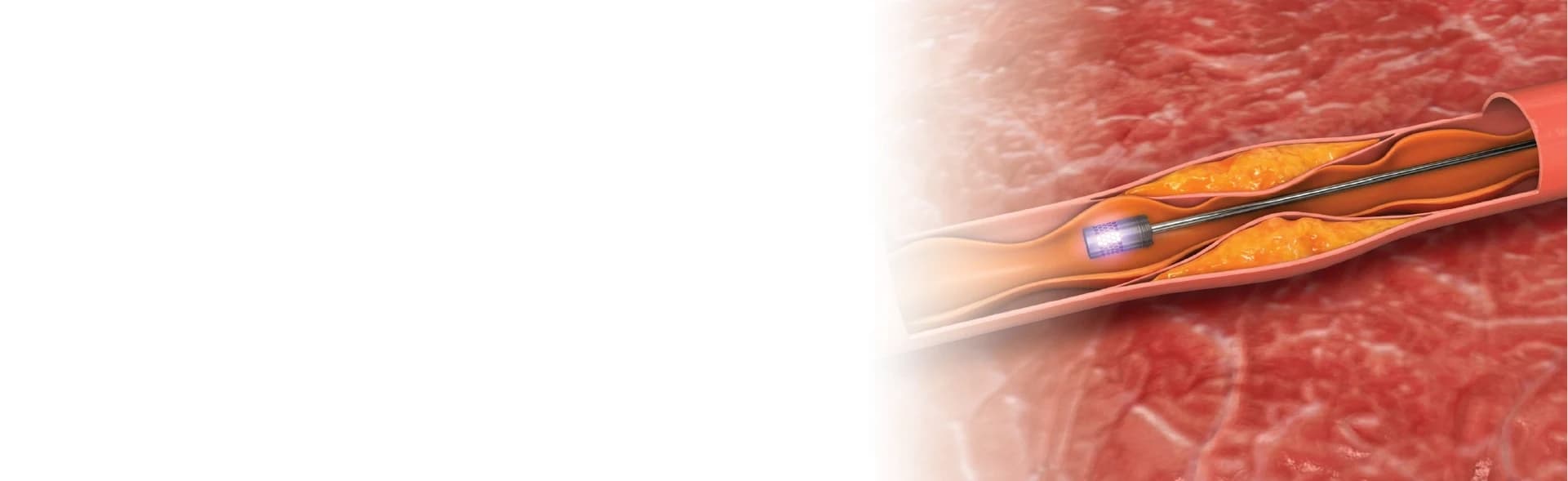
Catheter ablation is a treatment for abnormal heart rhythms, also called arrhythmias. It uses thin tubes called catheters to reach the heart and treat the heart tissue responsible for the abnormal rhythm. The procedure can help restore or maintain a normal heart rhythm and reduce symptoms such as a fast heartbeat, dizziness or shortness of breath.
At the CK Birla Hospitals, Kolkata, our cardiac team assesses your heart rhythm and overall health before deciding whether catheter ablation is suitable for you.
Catheter ablation is a minimally invasive procedure used to treat certain abnormal heart rhythms. It does not usually require open-heart surgery.
During the procedure, the doctor passes a thin, flexible catheter through a blood vessel, usually from the groin, and guides it towards the heart. Special equipment helps the doctor identify the heart tissue responsible for abnormal electrical signals.
The doctor then uses heat or cold energy to treat the small area causing the abnormal rhythm. This creates controlled scar tissue that blocks or interrupts the faulty electrical signals.
Catheter ablation may be recommended when medicines do not adequately control the abnormal rhythm or cause unwanted side effects. It may also be considered as an early treatment for some types of arrhythmia.

Your heart has an electrical system that controls each heartbeat. Normally, these electrical signals travel through the heart in an organised way.
Sometimes, abnormal heart tissue can generate or conduct abnormal electrical signals. This can cause the heart to beat too fast or irregularly.
During a catheter ablation procedure, the doctor first maps the electrical activity of your heart. This helps identify the area responsible for the abnormal rhythm.
The doctor then delivers energy to that area. Depending on the type of arrhythmia, the team may use:
By treating the abnormal tissue, catheter ablation can interrupt the faulty electrical signals and help restore or maintain a normal heart rhythm.
Catheter ablation can treat several types of abnormal heart rhythms. The choice depends on the type of arrhythmia, its cause and your overall health.
It may be used to treat:
Not everyone with an arrhythmia needs ablation. Your cardiologist or electrophysiologist will check your heart rhythm and discuss the available treatment options.
If you are wondering how catheter ablation is done, the procedure usually follows a few main steps.
Your doctor reviews your symptoms, medical history and previous heart tests and reports. You may need tests such as an ECG, echocardiogram, blood tests or other heart rhythm tests.
Your doctor will also explain your medicines. Some medicines may need to be stopped or adjusted under your doctor’s guidance. You may also be asked not to eat or drink for a certain period before the procedure.
You are given local anaesthesia at the catheter insertion site and may also receive sedation to help you stay comfortable. In some cases, general anaesthesia may be used.
The doctor makes a small opening in a blood vessel, usually in the groin. One or more catheters are then guided through the blood vessel to the heart.
The team records the heart’s electrical activity to locate the area responsible for the abnormal rhythm. Once the source is identified, the doctor uses radiofrequency energy, cold energy (cryoablation) or another suitable method to treat the abnormal tissue.
The catheters are then removed, and pressure is applied to the access site to help control bleeding.
You are monitored for some time after catheter ablation. The team checks your heart rhythm, blood pressure and the catheter insertion site.
Some patients can go home on the same day, while others may need to stay overnight. This depends on the type of ablation, your recovery and your overall health.
Your doctor will tell you when you can restart or continue your usual medicines and when you can return to your normal activities.
Catheter ablation can offer several benefits when it is suitable for your heart rhythm problem. It may:
However, like any medical procedure, catheter ablation also carries some risks. Common problems can include pain, bruising or bleeding at the catheter insertion site.
Less common complications may include infection, damage to a blood vessel, blood clots, or damage to the heart or surrounding structures. Rare complications can be serious. Your doctor will explain the potential risks based on the type of ablation and your overall health.
Recovery is generally shorter than recovery from open-heart surgery because catheter ablation does not involve a large chest incision.
You may need to rest for a short period after the procedure. Your doctor may advise you to avoid heavy lifting or strenuous activity for a few days.
Many people can return to normal daily activities within a few days, although the exact recovery time varies. It depends on the type of procedure, your overall health and the type of work or activities you do.
An abnormal rhythm can sometimes return after ablation. Some patients may need medicines or another ablation procedure as part of their long-term treatment.
At the CK Birla Hospitals, Kolkata, our cardiac team provides diagnosis and treatment for different heart rhythm disorders. The team includes cardiologists and specialists who assess your symptoms, heart rhythm and overall health before planning treatment.
We use heart rhythm tests to understand the cause of the abnormal heartbeat. If catheter ablation is suitable, our team plans the procedure based on the type of arrhythmia and your individual needs.
During treatment, your heart rhythm and vital signs are closely monitored. After the procedure, our team continues to monitor your recovery and provides guidance on medicines, activity and follow-up.
The aim is to provide care throughout the treatment journey, from diagnosis and procedure planning to recovery and follow-up.
The time varies depending on the type of arrhythmia and the complexity of the procedure. It may take a few hours. Your doctor can give you a better estimate after assessing your heart rhythm.
Yes. Atrial fibrillation can return after catheter ablation in some people. The risk depends on factors such as the type and duration of AF and other health conditions. Some patients may need medicines or another ablation procedure.
You may be able to walk after the initial recovery period. Your medical team will tell you when it is safe to get up and walk. You may need to avoid heavy exercise and lifting for a few days.
Many people can return to work within a few days. The timing depends on your recovery and the type of work you do. People with physically demanding jobs may need more time before returning to full activity.
Not always. Some people can reduce or stop certain rhythm medicines after successful ablation, while others may still need them. Your doctor will decide this based on your heart rhythm and response to treatment.
Catheter ablation intentionally creates a small area of scar tissue to block abnormal electrical signals. The procedure is generally designed to avoid damage to healthy heart tissue. However, complications can occur, including rare damage to the heart or nearby structures. Your doctor will discuss these risks before treatment.
© 2024 BMB Kolkata. All Rights Reserved.


