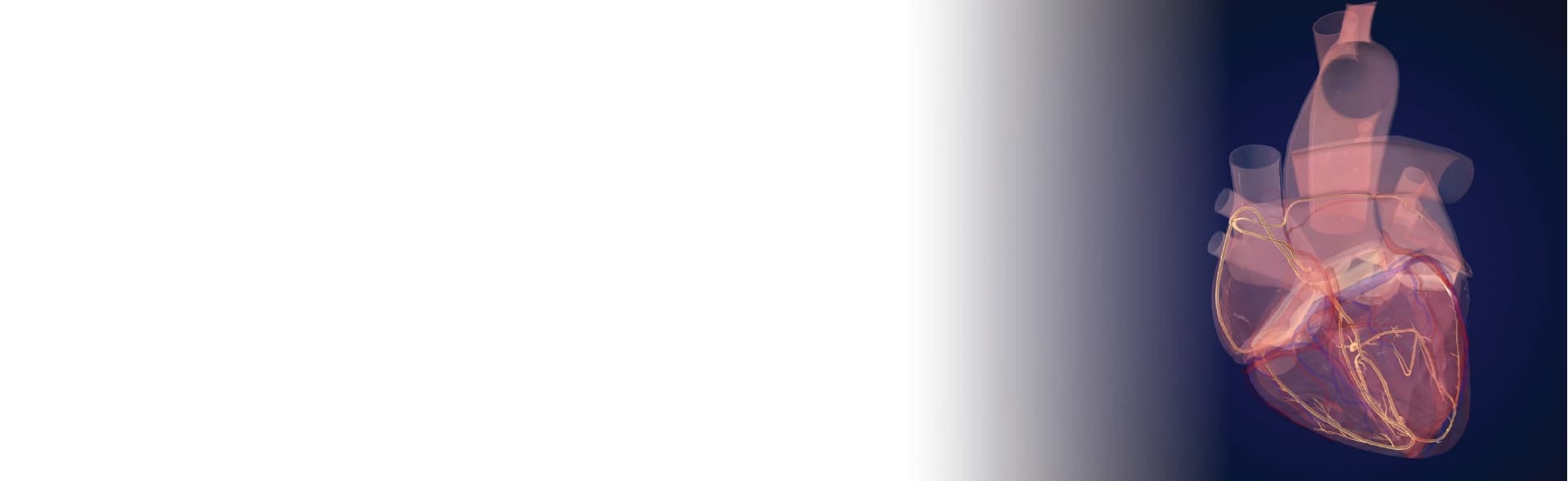
Ventricular tachycardia (VT) is a serious heart rhythm disorder that needs immediate medical attention. It occurs when the lower chambers of the heart (ventricles) beat much faster than normal, making it difficult for the heart to pump blood effectively. If left untreated, ventricular tachycardia can lead to fainting, cardiac arrest, or sudden cardiac death.
At the CK Birla Hospitals, Kolkata, our experienced cardiologists and electrophysiologists provide advanced ventricular tachycardia treatment using the latest diagnostic techniques, medications, catheter ablation, and implantable cardiac devices.
Ventricular tachycardia is a type of abnormal heart rhythm (arrhythmia) that begins in the ventricles, the heart's lower pumping chambers. In this condition, the heart beats faster than 100 beats per minute, often reaching 150 to 250 beats per minute.
Normally, electrical signals travel through the heart in an organised manner. In ventricular tachycardia, abnormal electrical signals cause the ventricles to beat too quickly, preventing the heart from pumping enough oxygen-rich blood to the body.
There are different types of ventricular tachycardia, including:
Understanding what ventricular tachycardia is helps patients recognise the importance of seeking early treatment before serious complications occur.
Not every episode of ventricular tachycardia is immediately dangerous, but many cases require urgent medical care.
A very fast heartbeat reduces the heart's ability to pump blood effectively. As a result, vital organs such as the brain and kidneys may not receive enough blood. If VT continues, it can progress to ventricular fibrillation, where the heart stops pumping altogether.
Without immediate treatment, ventricular tachycardia can cause:
Anyone experiencing symptoms of VT should seek emergency medical care without delay.
The ventricular tachycardia symptoms vary depending on how fast the heart is beating and how long the episode lasts.
Common symptoms include:
Some people, especially those with non-sustained VT, may not have noticeable symptoms. However, even symptom-free episodes require medical evaluation.
Several heart conditions and medical problems can trigger abnormal electrical signals. Common ventricular tachycardia causes include:
Risk factors include:
Treating the underlying cause plays an important role in successful ventricular tachycardia management.
A detailed evaluation helps determine the type of ventricular tachycardia, its cause, and the best treatment plan. Your cardiologist may recommend:
The doctor reviews your symptoms, medical history, medications, and family history of heart disease.
An ECG records the heart's electrical activity and is the primary test for diagnosing ventricular tachycardia.
A portable ECG worn for 24–48 hours records abnormal heart rhythms during daily activities.
Used for longer monitoring when episodes occur occasionally.
An ultrasound scan checks heart structure, valve function, and pumping ability.
Advanced imaging helps identify scar tissue, inflammation, or structural heart disease.
Blood investigations check electrolyte levels, thyroid function, infection, and other contributing conditions.
An EP study maps the heart's electrical pathways and identifies the exact source of abnormal signals. It is particularly useful before catheter ablation.
Choosing the right ventricular tachycardia treatment in Kolkata depends on:
At BM Birla Heart Research Centre, treatment is planned by experienced electrophysiologists and cardiac specialists using evidence-based approaches.
Medicines are often the first step for controlling abnormal heart rhythms. These may include:
Patients should take these medicines exactly as prescribed and attend regular follow-up appointments.
Catheter ablation is one of the most effective treatments for recurrent ventricular tachycardia. During the procedure:
Benefits include:
Catheter ablation is especially recommended for patients whose VT continues despite medications or those receiving repeated ICD shocks.
An Implantable Cardioverter Defibrillator (ICD) is a small device placed under the skin near the chest. It continuously monitors heart rhythm, and:
ICDs significantly reduce the risk of sudden cardiac death in high-risk patients.
If ventricular tachycardia causes severe symptoms or unstable blood pressure, doctors may perform electrical cardioversion. This procedure delivers a controlled electrical shock to restore a normal heartbeat within seconds.
Long-term ventricular tachycardia management also focuses on treating conditions responsible for VT, such as:
Managing these conditions helps reduce future episodes.
Patients recovering from ventricular tachycardia are advised to:
These lifestyle measures support long-term recovery and reduce complications.
Immediate medical care is required if you experience:
Emergency treatment may include:
Early hospital treatment greatly improves outcomes.
Many patients ask about life expectancy with ventricular tachycardia. The outlook depends on several factors, including:
Patients without significant structural heart disease often have an excellent outlook after treatment. Those with underlying heart disease can also live longer and healthier lives with proper medications, catheter ablation, ICD therapy, and regular follow-up.
The CK Birla Hospitals, Kolkata, is one of Kolkata's leading cardiac hospitals, offering comprehensive care for complex heart rhythm disorders.
Patients choose us because we offer:
Our team works closely with every patient to provide timely diagnosis, effective treatment, and ongoing support for better heart health.
No. Some short episodes may stop on their own, but sustained ventricular tachycardia can be life-threatening and requires immediate medical attention.
Some patients can be successfully treated with catheter ablation, while others may need long-term medications or an ICD depending on the underlying heart condition.
The success rate depends on the type of ventricular tachycardia and the underlying heart disease. Many patients experience a significant reduction in VT episodes after the procedure.
Most patients recover within a few days and can return to normal daily activities within one to two weeks, depending on their overall health and their doctor's advice.
Yes. VT can recur, especially in patients with structural heart disease. Regular follow-up, medications, and lifestyle changes help reduce the risk of recurrence.
© 2024 BMB Kolkata. All Rights Reserved.


