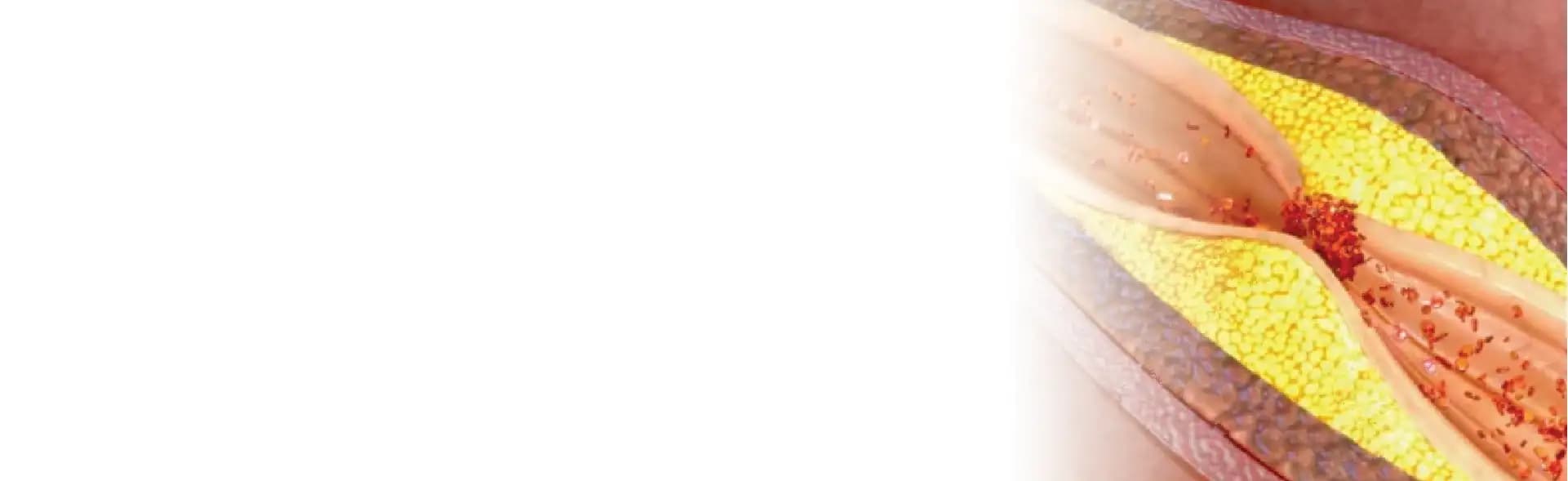
Thrombolytic therapy uses medicines given through an IV line or catheter to dissolve blood clots. This treatment can reduce damage caused by a heart attack, pulmonary embolism or stroke. It may also be used to treat selected blood clots associated with deep vein thrombosis (DVT) and peripheral artery disease (PAD). Although thrombolysis can restore blood flow, some patients may need additional procedures to treat the underlying cause or manage the blockage.
Thrombolysis is a treatment that uses clot-dissolving medicines, called thrombolytic agents, to break down blood clots inside blood vessels. These clots can restrict blood flow and prevent oxygen from reaching vital organs and tissues.
The medicines work by activating the body's clot-dissolving system, which helps break down the fibrin that holds a clot together. This can help restore blood flow to the affected area.
Thrombolysis may involve giving medicine through a vein or delivering it directly to the clot through a catheter. The approach depends on the location of the clot, the condition being treated and the patient's overall health.

Thrombolysis may be recommended when a blood clot blocks blood flow and requires urgent treatment. It may be used in selected cases of:
Ischaemic stroke: When a blood clot blocks blood flow to part of the brain.
Heart attack: When a clot blocks a coronary artery supplying blood to the heart, particularly when timely access to primary angioplasty is unavailable.
Pulmonary embolism: When a blood clot blocks an artery in the lungs, especially in severe cases.
Deep vein thrombosis (DVT): In selected cases involving clots in deep veins.
Peripheral artery disease (PAD): In certain cases where a clot causes a sudden blockage and reduces blood flow to a limb.
Thrombolysis is not suitable for every blood clot. The doctor considers the location and severity of the blockage, the time since symptoms began and the risk of bleeding before recommending treatment.
The thrombolysis procedure depends on the location of the clot and the patient's condition. It may involve intravenous medicine or a catheter-based approach.
The procedure generally involves the following steps:
Initial assessment: The doctor reviews the patient's symptoms, medical history, current medicines and risk factors.
Diagnostic tests: Blood tests and imaging help identify the clot and assess whether thrombolysis is appropriate.
Administration of medicine: The thrombolytic medicine is given through an IV line or delivered close to the clot using a catheter.
Monitoring: The medical team monitors the patient's vital signs, symptoms, response to treatment and signs of bleeding.
In catheter-directed thrombolysis, a thin tube is guided through a blood vessel to the affected area. The medicine is delivered near the clot to help dissolve it. In some cases, another procedure may be required if the clot does not dissolve sufficiently.
Not everyone with a blood clot can receive thrombolysis. The doctor assesses the patient's condition to determine whether the potential benefits outweigh the risks.
Eligibility may depend on:
The location and severity of the clot
The time since symptoms began
The patient's medical history
Current medicines and bleeding risk
Blood test and imaging results
Active bleeding, a history of certain types of bleeding in the brain and other conditions that increase bleeding risk may make thrombolysis unsuitable.
For a suspected ischaemic stroke, brain imaging is required to help rule out bleeding in the brain. Treatment eligibility also depends on when symptoms began and other clinical criteria.
Thrombolysis can help dissolve a blood clot and restore blood flow to affected organs or tissues. When used in suitable patients, it may reduce damage caused by a blocked blood vessel.
Potential benefits include:
Restoring blood flow to the affected area
Reducing the risk of permanent tissue damage in suitable cases
Supporting recovery when treatment is given at the appropriate time
However, thrombolysis also carries risks. These include:
Bleeding at the injection or catheter insertion site
Internal bleeding
Rare but serious bleeding in the brain
Blood vessel injury during catheter-based treatment
Movement of clot material to another location
The doctor evaluates the potential benefits and risks before recommending thrombolysis. Close monitoring is important during and after treatment.
After thrombolysis, the patient is monitored to check whether blood flow has improved and whether any complications have developed. Monitoring may include checking vital signs, symptoms and signs of bleeding. Follow-up blood tests or imaging may also be needed.
Recovery depends on the location of the clot, the extent of tissue damage, the patient's overall health and how quickly treatment was started. Some patients may improve soon after treatment, while others may need additional treatment, hospital care or rehabilitation.
The doctor may recommend medicines, follow-up appointments and lifestyle changes to help reduce the risk of future blood clots. The recovery plan depends on the underlying condition and the patient's response to treatment.
At CK Birla Hospitals, Kolkata, our team can assess your condition, help identify the cause of a blood clot and discuss suitable treatment options based on your medical needs.
Medical assessment: We evaluate your symptoms, medical history and risk factors.
Diagnostic tests: We use appropriate investigations to help assess the location and severity of the clot.
Treatment planning: Our team discusses suitable treatment options based on your diagnosis and eligibility for thrombolysis.
Post-treatment care: We provide guidance on monitoring, recovery and follow-up based on your condition.
Yes. Thrombolysis may be used for an ischaemic stroke caused by a blood clot blocking blood flow to the brain. It is suitable only for eligible patients and must be given within the recommended treatment window.
Yes. Thrombolysis may be used for certain heart attacks caused by a blocked coronary artery, particularly when timely access to primary angioplasty is unavailable. The treating team determines the appropriate treatment.
Yes. Bleeding is the main risk of thrombolysis. It may occur at the injection or catheter site or internally. Rarely, serious bleeding can occur in the brain.
Tests may include blood tests and imaging to identify the clot and assess the risk of treatment. For a suspected stroke, a brain scan is generally needed before thrombolysis is considered.
Recovery varies according to the location of the clot, the extent of tissue damage and the patient's overall health. Some patients improve quickly, while others need further treatment or rehabilitation.
Yes. Thrombolysis may be used as an emergency treatment for selected conditions, including ischaemic stroke, certain heart attacks and severe pulmonary embolism. Prompt medical assessment is essential.
Yes. Thrombolysis dissolves an existing clot but may not address the underlying cause. Further medicines, follow-up care and management of risk factors may help reduce the chance of another clot.
© 2024 BMB Kolkata. All Rights Reserved.


