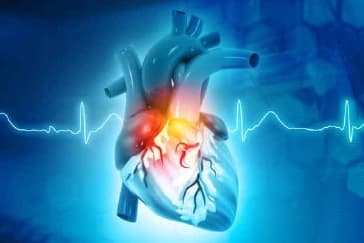
Understand what left bundle branch block (LBBB) is and how it affects the heart's electrical signals.
Explore the causes of LBBB and its association with heart conditions.
Recognise possible symptoms and understand the tests used to diagnose LBBB.
Learn about LBBB treatment options, including pacemakers and cardiac resynchronisation therapy.
Know when LBBB requires urgent medical attention and follow-up with a cardiologist.
Left bundle branch block (LBBB) is a change in the way electrical signals travel through your heart. It is often found during an ECG done for another reason. LBBB may not cause any symptoms and does not always mean that your heart is seriously damaged. However, it can sometimes be linked to an underlying heart condition that needs attention.
If you have been diagnosed with LBBB, understanding what it means can help you know when further tests or treatment may be needed.
Your heart uses electrical signals to control each heartbeat. These signals travel through pathways called bundle branches. One branch carries the signal to the right side of the heart, while the other carries it to the left side.
In left bundle branch block, the electrical signal is delayed or blocked as it travels through the left bundle branch. This can make the two lower chambers of the heart contract out of sync. As a result, the heart may not pump blood as efficiently.
LBBB is usually seen on an ECG. Some people have no symptoms and may not know they have it until an ECG is performed.
The exact cause of LBBB is not always known. In some people, it can occur even when there is no other heart problem.
However, left bundle branch block causes can include:
LBBB becomes more common with age. It is also more common in people who already have heart disease or high blood pressure.
This is why finding LBBB on an ECG may lead your doctor to check for other heart conditions.
Most people with LBBB do not have any symptoms. This means you may have left bundle branch block symptoms only if LBBB is linked to another heart problem or affects how your heart works.
Possible symptoms include:
Some people may also have symptoms related to an underlying condition, such as heart failure. These can include tiredness, shortness of breath or reduced ability to exercise.
LBBB itself does not always cause serious problems. However, it can be more concerning when you also have heart disease or heart failure. In these cases, your doctor may need to monitor your heart more closely.
An ECG is the main test used to identify LBBB. If LBBB is found, your doctor may recommend other tests to understand why it has occurred and check your overall heart health.
These may include:
The tests you need will depend on your symptoms, medical history and other risk factors.
There is no specific treatment that is needed for every person with LBBB. If you have no symptoms and no underlying heart condition, your doctor may simply monitor your heart health.
The focus of LBBB treatment is usually on managing the condition causing it. For example, you may need treatment to control high blood pressure or heart failure.
Some people with LBBB and certain conduction problems may need a pacemaker. A pacemaker helps control the heart's electrical signals and maintain a steady heartbeat.
People with heart failure and LBBB may sometimes benefit from cardiac resynchronisation therapy (CRT). This treatment helps the lower chambers of the heart contract more closely together. It may improve symptoms such as tiredness and shortness of breath in suitable patients.
LBBB does not always require emergency care. However, certain symptoms should not be ignored.
Seek immediate medical attention if you have:
These symptoms can have several causes and may need urgent assessment.
If LBBB has been found during a routine ECG, make an appointment with a cardiologist. Your doctor can check whether there is an underlying heart condition and decide whether you need further tests or regular follow-up.
Left bundle branch block does not always mean you have a serious heart problem. However, it can sometimes be linked to an underlying heart condition. If LBBB is found on your ECG, your doctor may recommend further tests to check your heart health. With the right evaluation and treatment, you can manage the condition and protect your heart health.
LBBB usually does not simply go away once it develops. However, in some people, it may occur only at certain times, such as when the heart rate increases during exercise.
Stress or anxiety is not listed as a usual direct cause of LBBB. LBBB is more often linked to changes or conditions affecting the heart. If LBBB appears during an ECG, your doctor can check for possible underlying causes.
Yes. Bundle branch block can make it harder to interpret an ECG for some heart conditions, including a heart attack. This can sometimes make diagnosis more difficult. Doctors consider your symptoms and other test results along with the ECG.
A pacemaker may be considered when LBBB occurs with certain conduction problems or symptoms such as fainting. CRT may be considered for some people who have heart failure along with LBBB. The decision depends on your heart function, symptoms and overall condition.
LBBB and right bundle branch block affect different electrical pathways in the heart. Their significance depends on the person's overall heart health and the cause of the block. LBBB can be associated with underlying heart disease, so your doctor may recommend further evaluation.
LBBB mainly affects the electrical signals that control your heartbeat. It does not directly mean that your blood pressure will be high or low. However, conditions such as high blood pressure can be associated with LBBB. In some cases, LBBB may occur with a slow heart rate.
LBBB does not necessarily shorten life expectancy, especially when there is no underlying heart condition. Its long-term significance depends on your overall heart health and whether conditions such as heart failure or other heart disease are present. Regular medical follow-up can help identify and manage these conditions.
Written and Verified by:

Dr. Ashok B. Malpani is a Senior Consultant in Cardiology Dept. at BM Birla Heart Hospital, Kolkata, with over 39 years of experience. He specializes in complex angioplasty, primary angioplasty, and pacemaker implantation.
Similar Cardiology Blogs
Book Your Appointment TODAY
© 2024 BMB Kolkata. All Rights Reserved.