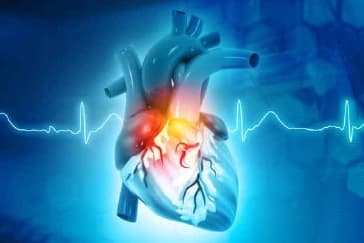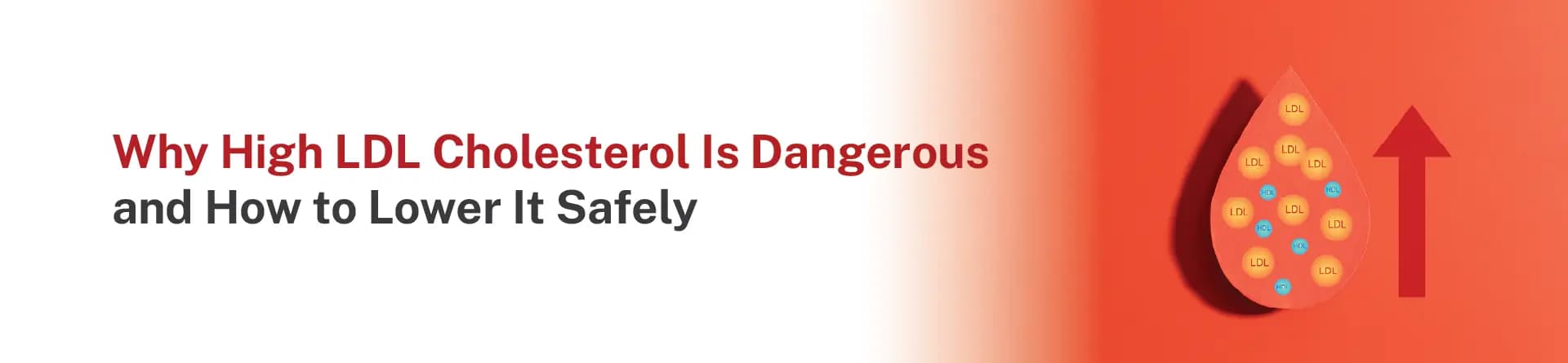
High cholesterol is often silent, but excess LDL (“bad cholesterol”) can slowly build plaque in your arteries and reduce blood flow. Over time, it increases the risk of heart attack, stroke, and other serious organ damage if not managed early.
High cholesterol is a common condition that often goes unnoticed until it starts causing serious problems. It happens when too much low-density lipoprotein (LDL), also known as “bad cholesterol”, builds up in your blood.
Over time, this buildup can form plaque inside your arteries. This process, called atherosclerosis, makes your arteries narrow and stiff, slowing down healthy blood flow.
Even though high cholesterol usually doesn’t show clear symptoms, it can quietly affect important organs like your heart, brain, kidneys, and digestive system. If left unmanaged, it can raise the risk of severe health events such as heart attacks and strokes.
LDL stands for low-density lipoprotein. It’s a type of particle in your blood that carries cholesterol to different parts of your body. Cholesterol is a fat-like substance that your body needs to function. It helps make hormones and vitamin D, and it keeps your cells healthy.
So, LDL cholesterol itself isn’t all bad. But problems start when there’s too much of it in your blood. Extra LDL can stick to the walls of your arteries, forming something called plaque. Over time, this plaque buildup narrows and hardens your arteries.
Because of this, LDL is often called “bad cholesterol”. A high level of LDL can lead to:
Keeping your LDL in check is important for your heart and overall health.
Knowing the LDL cholesterol range helps you understand where you stand. According to health guidelines:
If you have diabetes, high blood pressure, or a family history of heart disease, your doctor may suggest stricter targets.
High LDL cholesterol doesn’t hurt at first. You may feel completely fine. But inside, your arteries are slowly being affected.
Here’s what happens:
If a plaque suddenly breaks, it can create a clot, blocking blood flow entirely. This is why high LDL cholesterol is dangerous even when you feel healthy.
High LDL cholesterol doesn’t come from just one cause. In many cases, it’s the result of several factors working together. Some of these are within your control, while others are not.
High LDL cholesterol usually doesn’t show obvious symptoms. That’s why it’s often called a silent condition. In some advanced cases, you may notice:
Because the signs are subtle, regular blood tests are the safest way to detect high LDL.
You don’t always need medication to reduce LDL cholesterol. Many people can manage it with simple lifestyle changes.
What you eat matters. To lower LDL cholesterol:
This is one of the most effective ways to reduce LDL cholesterol naturally.
Exercise helps raise HDL (good cholesterol) and lower LDL. Even 30 minutes of brisk walking most days can make a difference. Other options include yoga, cycling, swimming, or jogging.
Losing just 5–10% of your body weight can significantly lower LDL levels. Even small changes in diet and activity add up over time.
Smoking damages arteries and lowers good cholesterol. Quitting can quickly improve your cholesterol balance.
Chronic stress may raise LDL levels. Mindfulness, meditation, yoga, and proper sleep can help maintain healthy cholesterol.
Sometimes lifestyle changes alone aren’t enough, especially if:
Your doctor may suggest:
Taking medication isn’t a failure—it’s a way to protect your heart.
While lifestyle changes work best over time, combining a heart-healthy diet, daily activity, and medical guidance can help bring down LDL cholesterol more quickly. Regular check-ups allow your doctor to track your progress and adjust treatment if needed.
High LDL cholesterol often goes unnoticed, but its effects can be serious. The key is awareness and action.
By understanding what LDL cholesterol is, monitoring your numbers, and making safe lifestyle changes, you can take control of your heart health. Small steps—like eating better, moving more, and managing stress—can have a big impact over time.
Remember, it’s never too late to start. Your heart will thank you.
In many cases, LDL can be lowered and controlled, but regular follow-up is usually needed.
Most adults should check it every 4–6 years, or more often if advised by a doctor.
Yes. Family history, age, and hormones can raise LDL even with a healthy lifestyle.
No. Healthy fats from nuts, seeds, fish, and good oils are beneficial.
Some may help a little, but always talk to your doctor before using them.
With age and after menopause, LDL often increases due to hormonal changes.
Written and Verified by:

Dr. Rakesh Sarkar is a Senior Consultant in Cardiology & Electrophysiology at BM Birla Heart Hospital, Kolkata, with over 13 years of experience. He specializes in complex arrhythmia management, including atrial fibrillation, ventricular tachycardia, CRT-D, and conduction system pacing.
Similar Cardiology Blogs
Book Your Appointment TODAY
© 2024 BMB Kolkata. All Rights Reserved.