
Coronary angiography is a test that helps your cardiologist see how blood is flowing through the arteries of your heart. It uses X-rays and a contrast dye to find narrowed or blocked arteries. The results can help your doctor decide whether you need medicines, angioplasty, a stent or another treatment.
At the CK Birla Hospitals, Kolkata, our cardiology team provides coronary angiography to diagnose coronary artery disease and understand the condition of your heart arteries. We use catheter-based techniques and cardiac imaging to plan the right treatment for you.
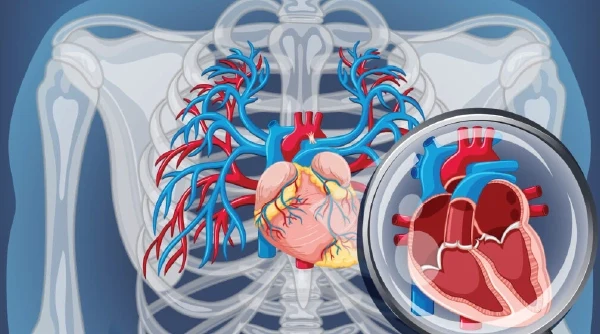
Coronary angiography is a Coronary Artery Blockage Test that shows how blood is moving through your coronary arteries. These arteries supply blood to your heart muscle.
During the test, a thin tube called a catheter is guided through an artery in your wrist or groin. A contrast dye is then injected through the catheter. X-ray images show how the dye moves through your coronary arteries.
The test can show:
Your coronary angiography report helps your cardiologist understand what is happening inside your heart arteries. It also helps them decide what treatment may be suitable for you.
Your cardiologist may recommend coronary angiography when other tests suggest that there may be a problem with your coronary arteries. You may need the test if you have:
Coronary angiography may also be performed urgently during some heart attacks. It allows the cardiology team to see the blocked artery and decide on treatment.
At BM Birla Heart Hospital, our team explains the procedure and checks your medical history before the test.
Your blood pressure, pulse and heart rhythm are checked. The access area, usually the wrist or groin, is cleaned. You may be asked to change into a hospital gown.
The area where the catheter will enter is numbed with local anaesthesia. You may also receive medicine to help you relax. You usually remain awake during the procedure.
The cardiologist makes a small opening in the artery. A thin, flexible catheter is then guided towards your heart.
Contrast dye is injected through the catheter. You may feel a brief warm or flushing sensation when the dye enters your bloodstream.
The cardiologist watches how the dye moves through your coronary arteries. The images can show whether an artery is narrowed or blocked.
Your cardiologist reviews the images and discusses the findings with you. If a significant blockage is found, angioplasty or stent placement may sometimes be performed during the same procedure. In other cases, medicines or bypass surgery may be considered.
A coronary angiogram usually takes around 30 to 60 minutes, although the total hospital stay can be longer if further treatment is needed.
Your doctor will give you specific instructions before the procedure. You may be asked to:
After the procedure, the catheter is removed. Pressure or a closure device may be used at the access site to reduce bleeding.
Your blood pressure, heart rate and other vital signs are monitored during recovery. You may have mild soreness or bruising where the catheter was inserted.
Some patients can go home on the same day. Others may need to stay longer depending on the findings or treatment performed.
location and severity of the blockage. They will also consider your symptoms and overall heart health. Depending on your condition, treatment may include:
At the CK Birla Hospitals, Kolkata, our cardiology and cardiac surgery teams can work together to review your results and plan the next step.
At BM Birla Heart Hospital, our team provides cardiac diagnosis and treatment under one care pathway. We focus on understanding your condition before deciding on the next step.
Our cardiac care includes:
Our team uses your angiography findings along with your symptoms and medical history to help plan appropriate care.
Most people do not feel pain when the catheter is moved through the artery. The access area is numbed with local anaesthesia. You may feel some pressure during catheter insertion and a brief warm sensation when the contrast dye is injected.
A coronary angiogram usually takes around 30 to 60 minutes. It may take longer if another procedure, such as angioplasty or stent placement, is needed.
You will usually be asked not to eat or drink for several hours before the procedure. Your doctor will tell you when to stop based on your health and the planned procedure.
It depends on where the catheter was inserted and how the procedure went. Recovery may be quicker when the wrist is used. If the catheter was inserted through the groin, you may need to lie flat for some time. Follow your care team's instructions.
A heart attack is a possible complication, but serious complications are uncommon. Other risks include bleeding, blood vessel injury, irregular heart rhythms, allergic reactions to contrast dye, kidney problems and stroke.
No. Not every blockage requires a stent. Your cardiologist will consider the blockage, your symptoms and your overall heart health before choosing the treatment.
Yes. A coronary angiogram can be performed through the radial artery in the wrist. The groin may also be used depending on your condition and the procedure.
© 2024 BMB Kolkata. All Rights Reserved.


