Have you ever thought about what happens to your arteries as you get older? Just like other parts of the body, your arteries can gradually change over time. They may become thicker, stiffer and less flexible, making it harder for them to expand and contract as blood flows through them. This gradual change is called arteriosclerosis, commonly known as hardening of the arteries.
These changes can happen slowly, and you may not notice anything unusual in the early stages. However, certain health conditions and lifestyle factors can speed up the process and increase the risk of cardiovascular problems.
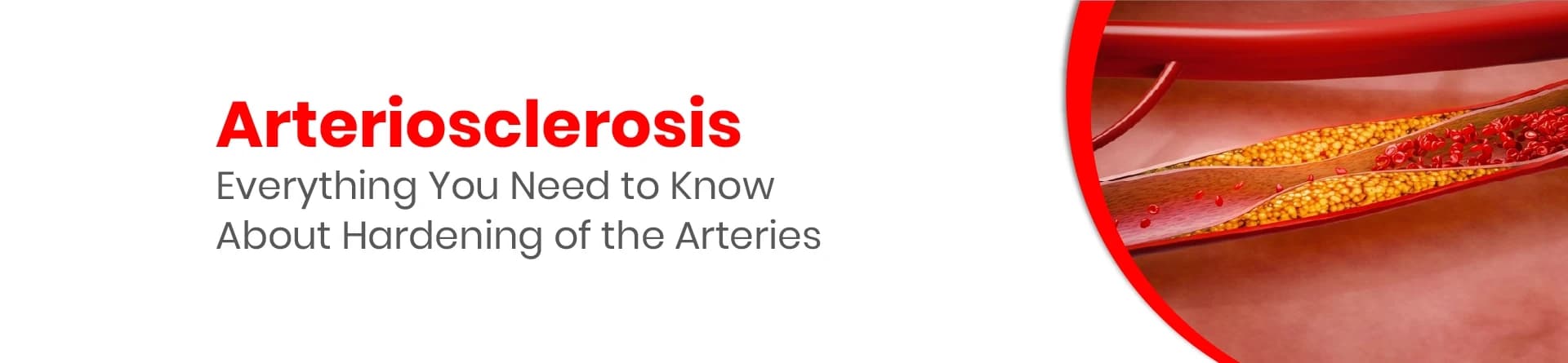
You may have also heard another term: atherosclerosis. The two terms are often confused, but they do not mean the same thing. Atherosclerosis is a specific type of arteriosclerosis in which fatty plaque builds up inside the artery walls.
Understanding the difference between these two terms can help you learn more about your heart and blood vessel health. So, what causes arteriosclerosis? What symptoms should you look out for? And can hardening of the arteries be prevented or treated? Let’s take a closer look.
Arteries are blood vessels that carry oxygen-rich blood from the heart to the rest of the body. Healthy arteries are flexible and can expand and contract as blood flows through them.
Arteriosclerosis happens when the artery walls become thicker, harder or less flexible. This can make it more difficult for blood to flow normally.
Hardening of the arteries can affect arteries throughout the body. Depending on which blood vessels are affected, it may increase the risk of problems involving:
Arteriosclerosis often develops slowly, and you may not notice any symptoms in the early stages.
Arteriosclerosis is a broad term for hardening and loss of flexibility in the arteries. Atherosclerosis is one specific type of arteriosclerosis caused by the build-up of plaque inside the artery walls.
In simple terms:
|
Arteriosclerosis |
Atherosclerosis |
|
General hardening or stiffening of arteries |
A specific type of artery disease |
|
Can happen due to ageing and other conditions |
Involves plaque build-up inside artery walls |
|
Makes arteries less flexible |
Can narrow or block arteries |
|
May affect arteries throughout the body |
Can affect arteries supplying the heart, brain and other organs |
This is why atherosclerosis vs arteriosclerosis can be confusing. Atherosclerosis is a form of arteriosclerosis, but not all arteriosclerosis is atherosclerosis.
Coronary arteriosclerosis refers to the hardening or narrowing of the arteries that supply blood to the heart. When plaque builds up in these arteries, it is more specifically called coronary atherosclerosis. Reduced blood flow to the heart can cause chest pain and may increase the risk of a heart attack.
Cerebral arteriosclerosis affects the arteries that supply blood to the brain. Changes in these blood vessels can reduce blood flow to the brain and may increase the risk of stroke or other problems affecting brain function.
There is no single cause of arteriosclerosis. The arteries can gradually become less flexible with age. Certain health conditions and lifestyle factors can speed up this process.
Common arteriosclerosis causes and contributing factors include:
Some risk factors can be controlled, while others, such as age and family history, cannot.
Arteriosclerosis may not cause symptoms in its early stages. Symptoms usually appear when the arteries become significantly narrowed or when blood flow to an organ is affected.
Arteriosclerosis symptoms depend on which arteries are involved.
You may experience:
Severe narrowing or blockage of a coronary artery can cause a heart attack.
Reduced blood flow to the brain can cause symptoms such as:
These symptoms can be signs of a stroke or transient ischaemic attack and require emergency medical attention.
Reduced blood flow to the legs may cause:
Some people may have artery disease without obvious symptoms. Regular health checks can help identify risk factors before complications develop.
Arteriosclerosis is diagnosed using your medical history, physical examination and tests that assess your arteries and blood flow.
Your doctor may ask about your symptoms, lifestyle, family history and existing health conditions.
Depending on your risk factors and symptoms, tests may include:
Arteriosclerosis treatment focuses on improving blood flow, managing risk factors and preventing further artery damage and complications.
Treatment depends on the cause, severity and arteries involved.
Healthy lifestyle habits are an important part of managing hardening of the arteries.
Your doctor may recommend:
These changes can help reduce cardiovascular risk and support better artery health.
Medicines may be prescribed to control the conditions contributing to artery disease.
Depending on your needs, treatment may include medicines to:
Do not start, stop or change medicines without medical advice.
If an artery is significantly narrowed or blocked, angioplasty may be considered.
During angioplasty, a small balloon is used to widen the narrowed section of the artery. A stent may then be placed to help keep the artery open.
This treatment is commonly used for significant coronary artery narrowing.
In some people with severe coronary artery disease, bypass surgery may be recommended.
The procedure creates a new route for blood to flow around a severely narrowed or blocked coronary artery.
The choice between medicines, angioplasty, stenting or surgery depends on the location and severity of the blockage and your overall health.
There is no single treatment that completely removes all forms of arteriosclerosis. However, its progression can often be slowed, and some plaque-related artery changes may improve with intensive risk-factor management and treatment.
Managing cholesterol, blood pressure, diabetes and other risk factors is important.
If significant narrowing has already developed, medicines or procedures may be needed to improve blood flow and reduce the risk of complications.
Not every case of arteriosclerosis can be prevented, especially changes related to ageing. However, healthy habits can significantly reduce your risk.
Choose more:
Try to limit:
A balanced diet can help maintain healthy cholesterol, blood pressure and blood sugar levels.
Stay Physically Active: Regular physical activity helps support heart and blood vessel health. Aim for regular moderate activity based on your age, fitness level and doctor's advice. If you have chest pain, severe breathlessness or known heart disease, speak with your doctor before starting a new exercise programme.
Control Blood Pressure and Cholesterol: High blood pressure and high cholesterol can damage artery walls over time. Regular health checks can help identify these problems early. If medicines are prescribed, take them as advised.
Avoid Smoking: Smoking damages blood vessels and increases the risk of heart attack, stroke and other cardiovascular problems. Quitting smoking is one of the most important steps you can take to protect your arteries.
Manage Diabetes: High blood sugar can damage blood vessels and increase cardiovascular risk. Keeping blood sugar within the recommended range can help protect your heart and arteries.
Speak with a doctor if you have risk factors such as high blood pressure, high cholesterol, diabetes, smoking or a strong family history of heart disease.
You should also seek medical evaluation if you develop:
Sudden chest pain, difficulty breathing, or signs of a stroke require immediate emergency medical attention.
No. Arteriosclerosis is a general term for hardening and loss of flexibility of the arteries. Atherosclerosis is a specific type of arteriosclerosis in which plaque builds up inside the artery walls.
Some artery changes can improve when risk factors are aggressively managed, particularly when plaque-related disease is treated early. However, there is no guaranteed way to completely reverse all forms of arteriosclerosis. Healthy lifestyle changes and appropriate medical treatment can help slow progression and reduce complications.
The risk increases with age and is higher in people with high blood pressure, high cholesterol, diabetes, obesity, smoking habits, physical inactivity or a family history of cardiovascular disease.
Having multiple risk factors can further increase the risk.
Vegetables, fruits, whole grains, beans, lentils, nuts, seeds and sources of healthy unsaturated fats can support heart and artery health. It is also helpful to limit foods high in saturated fat, trans fats, excess salt and added sugar.
Yes. When artery disease causes significant narrowing or blockage, it can reduce blood flow to the heart or brain. Blockage in a coronary artery can cause a heart attack, while blockage affecting blood flow to the brain can cause a stroke.
You can lower your risk by not smoking, staying physically active, maintaining a healthy weight and eating a balanced diet. It is also important to control blood pressure, cholesterol and diabetes and attend regular health check-ups.
Written and Verified by:

Dr. Anil Mishra is the Director of Cardiology Dept. at BM Birla Heart Hospital, Kolkata. He specializes in complex angioplasties, pacemaker & AICD implantation, CRT-D, TAVI, and was the first in Eastern India to perform rotablation and implant leadless pacemakers.
Similar Cardiology Blogs
Book Your Appointment TODAY
© 2024 BMB Kolkata. All Rights Reserved.