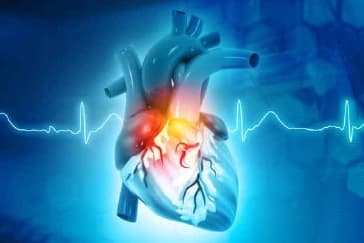
HDL cholesterol is often called the “good” cholesterol. It helps transport excess cholesterol from the bloodstream to the liver, where it can be processed and removed from the body. A low HDL level is associated with a higher risk of heart disease.
You may be able to improve your HDL cholesterol levels through regular exercise, healthy food choices and other lifestyle changes. However, improving HDL alone is not the main goal. Your LDL cholesterol, triglycerides, blood pressure, blood sugar and overall heart health are also important.
HDL cholesterol is the cholesterol carried by high-density lipoprotein (HDL) particles in your blood. It is commonly known as “good cholesterol” because HDL helps transport excess cholesterol from the blood and tissues to the liver for processing and removal.
A healthy HDL level is generally associated with a lower risk of cardiovascular disease. However, HDL is only one part of your overall heart health. Your LDL cholesterol, triglycerides, blood pressure, blood sugar and other risk factors also play an important role.
HDL cholesterol is measured as part of a lipid profile, which may also include LDL cholesterol, total cholesterol and triglycerides. Your doctor can assess these results together with other risk factors to understand your overall cardiovascular risk.
Having a higher HDL level does not always mean better heart health. Very high HDL levels may not provide additional protection, and HDL cholesterol should not be considered on its own when assessing cardiovascular risk. Therefore, the goal is not simply to increase HDL but to maintain a healthy overall cholesterol profile and manage other cardiovascular risk factors.
HDL cholesterol is measured in milligrams per decilitre (mg/dL).
These numbers are only one part of your heart health assessment. Very high HDL is not always better, either. Your healthcare provider will look at your complete lipid profile and other risk factors.
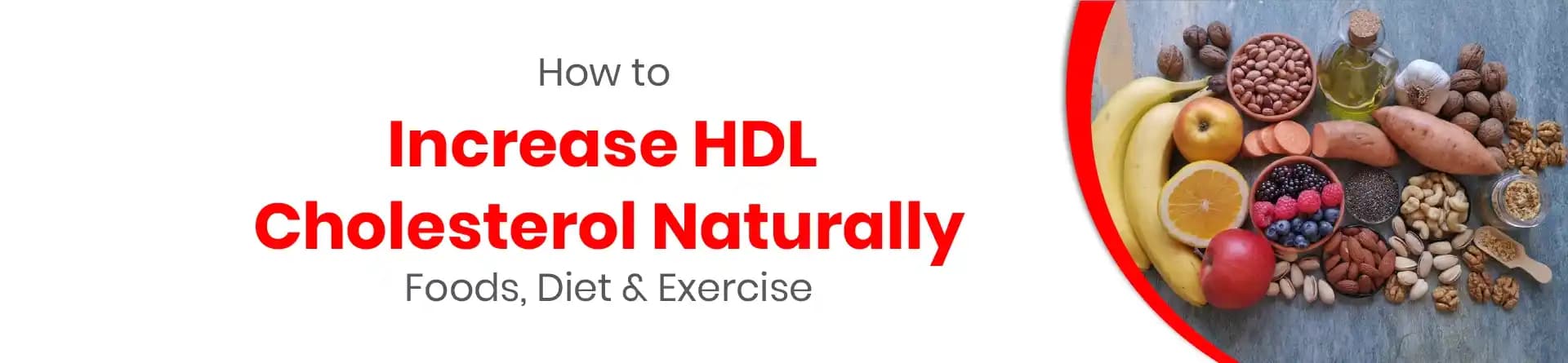
There is no single food that can raise HDL cholesterol on its own. Instead, focus on a diet that includes healthy fats, fibre, vegetables, fruits and whole grains.
Almonds, walnuts, pistachios, flaxseeds and chia seeds contain unsaturated fats and other nutrients that support heart health.
Flaxseed also provides plant-based omega-3 fats and fibre. Ground flaxseed may be easier for your body to use than whole flaxseed because the seeds are broken down. You can add it to oats, curd or smoothies.
Salmon, mackerel, sardines and other oily fish provide omega-3 fatty acids. These fats can help lower triglyceride levels and support overall heart health. If you eat fish, including it as part of a balanced diet can be a heart-friendly choice.
Extra-virgin olive oil contains monounsaturated fats and other compounds that support heart health. You can use it in salads or as part of your cooking.
The important point is to use healthy oils in moderation. Eating too much of any oil can add excess calories to your diet.
There is no single fruit or vegetable that can increase HDL significantly. However, eating a variety of fruits and vegetables can support overall heart health and healthy cholesterol levels.
Apples, berries, oranges, pomegranate, spinach, broccoli, carrots, tomatoes and bell peppers are some options you can include. These foods provide fibre and other nutrients that support overall heart health.
Lentils, chickpeas and kidney beans are rich in fibre, while oats and other whole grains also provide fibre. They can be useful when you are trying to improve your overall cholesterol profile, particularly by helping lower LDL cholesterol.
You do not need a complicated diet to support your cholesterol levels. A simple weekly plan can help you include different heart-friendly foods.
Diet Chart For Healthy Cholesterol
|
Day |
Breakfast |
Lunch |
Evening Snacks |
Dinner |
|
Monday |
Oats + fruit + flaxseed |
Dal + roti + vegetables |
Walnuts + fruit |
Vegetable soup + whole-grain roti |
|
Tuesday |
Vegetable poha |
Rajma + brown rice + salad |
Roasted chana |
Dal + vegetables + roti |
|
Wednesday |
Vegetable upma + fruit |
Chole + roti + salad |
Almonds + fruit |
Vegetable khichdi + curd |
|
Thusday |
Moong dal chilla + vegetables |
Rajma/chole + roti + salad |
Fruit + a few nuts |
Vegetable dalia + curd |
|
Friday |
Moong dal chilla + vegetables |
Rajma/chole + roti + salad |
Fruit + a few nuts |
Vegetable dalia + curd |
|
Saturday |
Vegetable poha + fruit |
Dal + roti + green vegetables |
Roasted chana |
Khichdi + salad |
|
Sunday |
Oats + fruit + flaxseed |
Home-cooked meal with vegetables and dal |
Fruit + nuts |
Light vegetable and dal meal |
If you eat non-vegetarian food, fatty fish can be included in suitable meals. Your exact diet should depend on your calorie needs, medical history and other cholesterol levels.
Some foods are promoted as ways to increase HDL, but they are not recommended strategies for improving heart health.
Do not start drinking alcohol just to raise HDL. Alcohol may increase HDL in some people, but it can also increase triglycerides, blood pressure and other health risks.
It is also helpful to limit:
Trans fats can lower HDL and increase LDL cholesterol.
Eggs are nutritious for many people, but they should not be treated as a specific strategy to increase HDL. Your overall diet, cholesterol levels and other heart health factors are more important.
Regular physical activity can help improve HDL cholesterol levels and other markers of heart health. It can also help lower triglycerides and improve blood pressure.
Aim for at least 150 minutes of moderate-intensity aerobic activity each week, if your healthcare provider says exercise is safe for you.
You can choose activities that fit your routine, such as:
You do not have to complete all your exercise at once. You can divide it into shorter sessions during the week.
Diet and exercise are more effective for overall heart health when combined with other healthy habits.
HDL and LDL have different roles. HDL helps carry excess cholesterol back to the liver. LDL can contribute to cholesterol buildup in the artery walls when levels are too high.
So, which is commonly called good cholesterol, HDL or LDL? HDL is commonly called “good cholesterol”, while LDL is commonly called “bad cholesterol”. However, these terms are simplified descriptions of their roles in the body.
However, raising HDL alone is not enough. Research has not shown that simply increasing HDL reduces the risk of heart attack or stroke. For many people with high LDL, lowering LDL is an important part of reducing cardiovascular risk.
Yes, lifestyle changes can help improve your overall cholesterol profile and may modestly increase HDL in some people. Regular exercise, healthier fats, more vegetables and whole grains, avoiding smoking and maintaining a healthy weight can all support heart health.
However, these changes may not be enough for everyone. Do not stop or start cholesterol medicines without speaking with your healthcare provider.
Talk to your healthcare provider if a blood test shows low HDL, high LDL or high triglycerides. Your results should be interpreted along with your other cardiovascular risk factors. Low HDL usually does not cause specific symptoms, so a lipid panel is needed to identify it.
You should also discuss your cholesterol levels if you have diabetes, high blood pressure, obesity, a family history of heart disease or other cardiovascular risk factors.
Your doctor can look at your complete lipid profile and help you understand what needs attention.
Healthy HDL cholesterol is part of good heart health, but it should not be your only focus. Regular exercise, a balanced diet and healthy lifestyle habits can support a healthier cholesterol profile. Keep track of your complete lipid profile and speak with your doctor about the right approach for you.
Low HDL can be associated with a higher risk of heart disease. However, HDL is only one part of your overall risk. Your LDL cholesterol, triglycerides and other health factors also matter.
There is no safe, reliable way to raise HDL cholesterol quickly. Regular physical activity and a heart-healthy diet can support healthier cholesterol levels over time. Focus on overall heart health rather than trying to increase HDL as fast as possible.
Fruits and vegetables such as apples, berries, oranges, pomegranate, spinach, broccoli, carrots and bell peppers can be part of a heart-healthy diet. There is no single fruit or vegetable that can significantly raise HDL on its own.
Aerobic exercises such as brisk walking, cycling, swimming and jogging can help improve HDL and overall heart health. Aim for about 150 minutes of moderate aerobic activity each week, if it is safe for you.
Choose foods such as dal, chana, rajma, whole grains, vegetables, fruits, walnuts, almonds, flaxseeds and chia seeds. Use healthy oils in moderate amounts and limit deep-fried and highly processed foods. A balanced Indian diet can support healthy cholesterol levels without relying on one specific food.
Written and Verified by:

Dr. Ashok B. Malpani is a Senior Consultant in Cardiology Dept. at BM Birla Heart Hospital, Kolkata, with over 39 years of experience. He specializes in complex angioplasty, primary angioplasty, and pacemaker implantation.
Similar Cardiology Blogs
Book Your Appointment TODAY
© 2024 BMB Kolkata. All Rights Reserved.