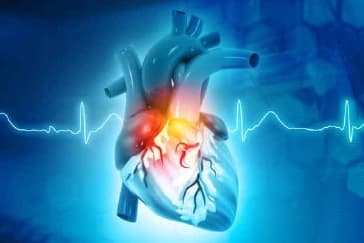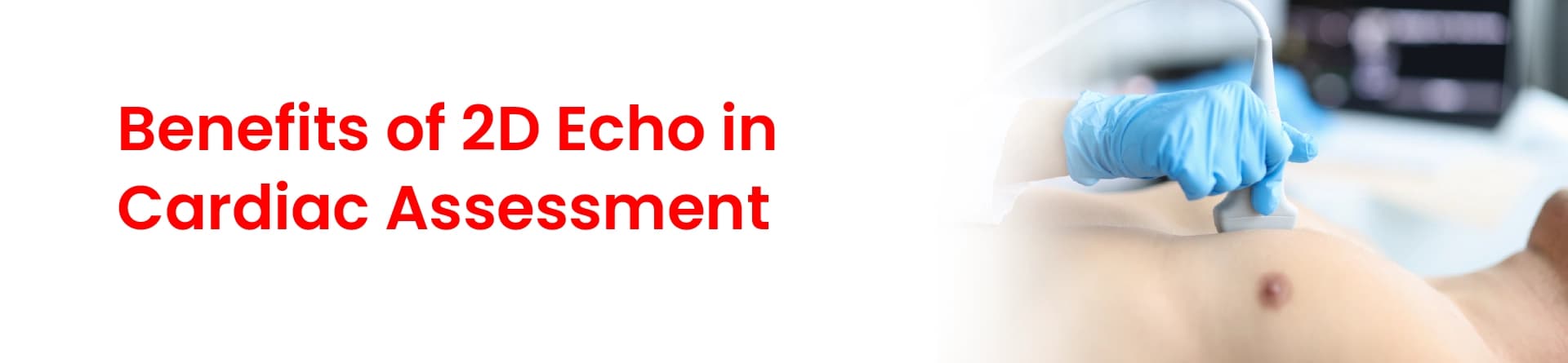
A 2D Echo test is a safe and non-invasive heart imaging test that helps doctors evaluate heart structure, blood flow, and pumping function in real time. It plays a crucial role in the early detection and monitoring of heart diseases, valve disorders, and heart failure.
Heart health is an important part of overall well-being, and early detection of heart problems can save lives. One of the most commonly used and reliable tests for evaluating heart function is the 2D echo test.
It is widely recommended by doctors because it is safe, painless, and provides detailed information about heart health. In this blog, we will explain what a 2D echo is, its benefits, and how it helps in assessing heart health in a simple and easy-to-understand way.
A 2D echocardiography test, also known as a 2D echo, is a non-invasive imaging test that uses ultrasound waves to create real-time images of the heart. It helps doctors see how the heart is working, including its structure, movement, and blood flow.
This test is also referred to as echocardiography or echocardiography 2D, and it is one of the most commonly used diagnostic tools in cardiology.
During the test, a small device called a transducer is placed on the chest. It sends sound waves into the body, which bounce back and create images of the heart on a screen. These images help doctors evaluate the condition of the heart in detail.
The benefits of a 2D echo test make it one of the most preferred methods for checking heart health. It provides valuable insights without causing discomfort or risk to the patient.
One of the biggest advantages is that it gives real-time images of the heart. This allows doctors to observe how the heart beats and how blood flows through it. It helps in identifying even small abnormalities at an early stage.
Another major benefit is that it is completely safe. Unlike some other tests, it does not use radiation, making it suitable for repeated use. This is especially helpful for patients who need regular monitoring.
The test is also quick and convenient. It usually takes around 30 to 60 minutes and does not require any special preparation in most cases.
In addition, 2D echocardiography with Doppler provides detailed information about blood flow and pressure within the heart. This helps detect valve problems and circulation issues more accurately.
A 2D echocardiography test can help detect a wide range of heart conditions. It is often the first test recommended when someone shows symptoms related to heart problems. Some of the conditions that can be identified include:
The test also helps in assessing how efficiently the heart is pumping blood. This is important in diagnosing conditions like heart failure. Although it does not directly detect artery blockages like an angiogram test, it can show signs that suggest reduced blood supply to the heart.
The 2D echo test is widely preferred because it is non-invasive, meaning it does not involve any surgery, needles, or insertion of instruments into the body.
Patients usually feel comfortable during the procedure, as it is painless and simple. There is no recovery time required, and you can resume your normal activities immediately after the test.
Another reason for its popularity is its accessibility. It is available in most hospitals and diagnostic centres, making it easy for patients to get tested without delay.
Compared to more advanced tests like angiography, the 2D echo is less expensive and carries no risk of complications. This makes it an ideal first step in heart evaluation.
Doctors recommend a 2D echocardiography test when they suspect a problem with the heart or want to monitor an existing condition. You may be advised to undergo this test if you experience symptoms such as:
It is also recommended for people with known health conditions like high blood pressure, diabetes, or a history of heart disease.
In some cases, doctors may recommend a 2D echocardiography test as part of routine health check-ups, especially for individuals at higher risk of heart problems.
Early diagnosis is key to preventing serious heart complications, and the 2D echo plays a crucial role in this process.
By providing clear images of the heart, the test helps doctors detect abnormalities at an early stage, even before symptoms become severe. This allows timely treatment and better management of the condition.
For patients who are already diagnosed with heart disease, the test is used to monitor progress and evaluate the effectiveness of treatment. It helps doctors make informed decisions about medications or further procedures.
Regular use of echocardiography also helps track changes in heart function over time, ensuring that any worsening condition is identified quickly.
The 2D echo test is a powerful and reliable tool for assessing heart health. It is safe, painless, and provides detailed information about the structure and function of the heart.
From early diagnosis to ongoing monitoring, 2D echocardiography plays a vital role in preventing and managing heart diseases. While it may not replace advanced tests like an angiogram test, it serves as an essential first step in cardiac assessment.
If you experience any symptoms related to heart health or have risk factors, consulting a doctor and getting a 2D echo test done can be a smart preventive decision. Taking care of your heart starts with awareness, and the right diagnostic test can make all the difference.
Yes, 2D echocardiography is completely safe, non-invasive, and painless, as it uses sound waves without radiation.
It is preferred because it provides real-time heart images, is non-invasive, affordable, and has no recovery time.
It depends on your condition; generally, it is done when recommended by a doctor or for monitoring existing heart issues.
No, it cannot directly detect blockages, but it can show signs of reduced blood flow or heart function problems.
Yes, it can assess heart-pumping ability and help diagnose heart failure.
ECG measures the heart’s electrical activity, while a 2D echo shows the heart’s structure and movement.
Written and Verified by:

Dr. Anil Mishra is the Director of Cardiology Dept. at BM Birla Heart Hospital, Kolkata. He specializes in complex angioplasties, pacemaker & AICD implantation, CRT-D, TAVI, and was the first in Eastern India to perform rotablation and implant leadless pacemakers.
Similar Cardiology Blogs
Book Your Appointment TODAY
© 2024 BMB Kolkata. All Rights Reserved.