Frequent overeating and alcohol use quietly strain the digestive system, liver, heart, and metabolism, leading to issues like fatty liver, high blood pressure, poor sleep, and weight gain.
Celebrations are a big part of our lives - festivals, weddings, birthdays, and weekend get-togethers often revolve around good food and drinks. During these times, plates are fuller, glasses are refilled, and healthy routines are pushed aside.
Enjoying food and alcohol once in a while is normal. But when overeating and drinking become frequent, the body starts feeling the pressure, even if we don’t notice it immediately.
Many doctors call this a silent “health overload.” The signs are familiar - constant bloating, acidity, poor sleep, unexplained tiredness, weight gain, and rising sugar or blood pressure levels. What feels like a short break from discipline can slowly turn into long-term health trouble.
Your digestive system is the first to suffer when you drink too much alcohol or eat in excess.
Alcohol irritates the stomach lining. This can lead to:
At the same time, overeating - especially oily, spicy, or sugary food - puts extra pressure on digestion. The stomach takes longer to empty, which causes:
When alcohol and overeating happen together, the damage is worse. This combination increases the health risk of alcohol consumption in excess, especially for people who already have acidity, ulcers, or IBS.
Over time, poor digestion affects nutrient absorption, leading to weakness and low energy.
The liver works hard to process everything you eat and drink. Alcohol is especially harmful to the liver.
One of the most common long-term effects of alcohol is fatty liver disease. Fat starts collecting in liver cells, even if the person does not drink daily.
Overeating also contributes to fatty liver because excess calories are converted into fat and stored in the liver.
If habits do not change, fatty liver can lead to:
Many Indians are surprised to learn that non-alcoholic fatty liver disease is also rising due to overeating, junk food, and lack of exercise.
Early liver damage often has no clear symptoms, which makes regular check-ups very important.
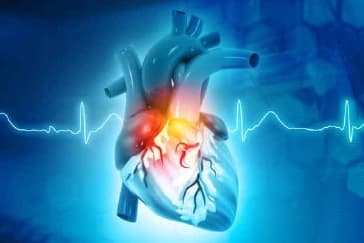
One major but ignored effect of alcohol on the body is its impact on the heart.
Alcohol raises blood pressure and affects heart rhythm. Over time, this increases the risk of:
Overeating adds to this risk by increasing cholesterol and causing weight gain. Diets high in salt, sugar, and unhealthy fats damage blood vessels.
The link between alcohol and heart disease becomes stronger when drinking is combined with poor eating habits and stress - a common lifestyle problem today.
People with diabetes, obesity, or a family history of heart disease should be extra careful.
Alcohol is high in empty calories. It provides energy but no nutrition. Excess eating, especially sweets, fried food, and refined carbs, adds even more calories.
This leads to:
One serious condition linked to these habits is metabolic syndrome. The main metabolic syndrome causes include:
Metabolic syndrome greatly increases the risk of:
The effects of overeating on the body are not limited to weight. They disturb how insulin works, making blood sugar control difficult - a big concern in India, where diabetes rates are already high.
Alcohol directly affects the brain. While it may feel relaxing at first, its long-term impact is harmful.
Some common brain-related effects include:
Alcohol also disturbs sleep. Even if you fall asleep quickly after drinking, sleep quality becomes poor. You wake up tired, irritated, and unfocused. Overeating at night makes sleep worse by causing acidity and discomfort. Mental health is also affected. Regular excess drinking and eating are linked to:
These issues are often ignored or blamed on work pressure, but lifestyle habits play a major role.
Overeating may seem harmless, but the side effect of over eating shows up slowly. Common health problems related to overeating include:
Eating large portions regularly stretches the stomach and increases hunger signals, making portion control harder over time. Mindless eating - while watching TV or scrolling on the phone - makes this problem worse.
Your body often gives early signals before serious disease starts. Do not ignore these signs:
These are warning signs that your body is struggling with the effects of alcohol on the body and the impact of overeating.
Alcohol and food are deeply connected to social life in India. Enjoying them occasionally is fine. The problem begins when excess becomes a habit.
The health risk of alcohol consumption in excess and overeating does not appear overnight. It builds silently - affecting digestion, liver, heart, brain, and metabolism.
The good news is that small changes make a big difference:
There is no completely safe amount; if consumed, it should be limited to occasional and moderate drinking, as regular intake increases health risks.
Yes, even occasional binge drinking can harm the liver, heart, and brain, especially if it happens repeatedly.
Alcohol is absorbed faster, leading to quicker intoxication, stomach irritation, acidity, and low blood sugar.
Mild effects may settle in a few days, but the liver and metabolism can take weeks to recover with healthy habits.
Yes, alcohol irritates the stomach lining and relaxes food valves, which can slow digestion and trigger acid reflux.
Yes, alcohol adds empty calories and promotes fat storage around the abdomen, increasing belly fat over time.
Written and Verified by:

Dr. Dhiman Kahali is the Director of Interventional Cardiology Dept. at BM Birla Heart Hospital, Kolkata, with over 44 years of experience. He specializes in angioplasty, mitral balloon dilation, and peripheral vascular interventions, and has been honored with the Gandhi Centenary and Mother Teresa International Awards.
Similar Cardiology Blogs
Book Your Appointment TODAY
© 2024 BMB Kolkata. All Rights Reserved.