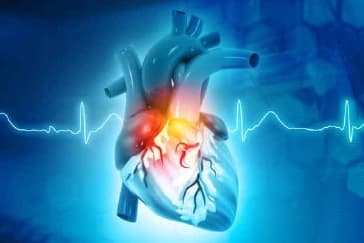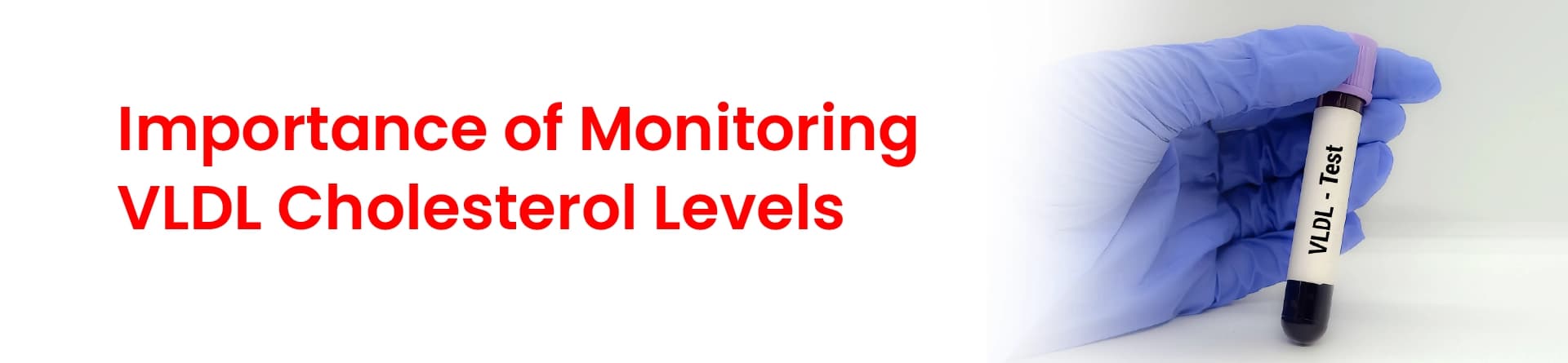
VLDL cholesterol is often overlooked but plays a crucial role in heart health. High levels can silently increase the risk of heart disease, making regular monitoring essential.
In today’s busy lifestyle, many people focus only on weight, sugar levels, or blood pressure but often ignore cholesterol. One important part of cholesterol that is usually overlooked is VLDL cholesterol levels. Even though it is not discussed as much as LDL or HDL, it plays a big role in your overall heart health.
Understanding your VLDL levels is important because high levels can quietly damage your body over time. The problem is that most people do not notice any symptoms until the condition becomes serious. That is why regular monitoring becomes necessary.
VLDL stands for Very Low-Density Lipoprotein, and it is produced by your liver. Its main function is to carry triglycerides, which are a type of fat, through your bloodstream to different parts of your body.
In simple terms, you can think of VLDL as a transport system that moves fat where your body needs energy. However, when there is too much fat in the blood, VLDL levels increase, and this can become harmful.
Over time, VLDL gets converted into LDL cholesterol, which is also known as bad cholesterol. This is one of the main reasons why high vldl cholesterol levels are linked to heart-related problems.
The VLDL cholesterol normal range is generally between 5 to 30 mg/dL. This range is considered safe for most adults. If your levels go above this, it may indicate a higher risk of health issues.
VLDL is usually checked through a blood test called a lipid profile. Unlike other cholesterol types, VLDL is not always measured directly. Instead, doctors often calculate it using triglyceride values. This makes it important to keep your triglycerides under control as well.
VLDL Cholesterol Levels Chart
|
VLDL Level (mg/dL) |
Meaning |
|
5–30 |
Normal |
|
30–40 |
Borderline high |
|
Above 40 |
High |
Even though there is no strict vldl cholesterol level by age chart, the risk associated with high levels increases as you grow older. This means that adults and older individuals should be more careful and get regular tests done.
High VLDL cholesterol is mostly linked to lifestyle habits. What you eat, how active you are, and your daily routine all affect your cholesterol levels.
A diet high in fried food, sugar, and processed items can increase triglycerides, which directly raises VLDL. Lack of exercise also slows down your body’s ability to manage fats properly. Over time, this leads to an increase in vldl cholesterol levels.
Health conditions like diabetes and obesity also play a major role. In some cases, genetics can make a person more prone to high cholesterol, even if their lifestyle is relatively healthy.
High VLDL cholesterol is dangerous because it does not show clear symptoms in the beginning. However, it slowly affects your blood vessels.
When VLDL levels are high, fat particles start accumulating in the arteries. This makes the arteries narrow and hard, reducing proper blood flow. As a result, the heart has to work harder to pump blood.
Over time, this condition can lead to serious problems such as heart disease, stroke, and high blood pressure. This is why doctors often call high cholesterol a “silent risk.”
The good news is that you can control your cholesterol levels with simple changes in your daily life. Small improvements in your routine can make a big difference over time.
Eating a balanced diet is one of the most important steps. Try to include more fruits, vegetables, whole grains, and healthy fats in your meals. At the same time, reduce intake of fried foods, sweets, and sugary drinks.
Regular physical activity is equally important. Even simple activities like walking for 30 minutes a day can help reduce triglycerides and improve overall heart health.
Weight management also plays a key role. Losing even a small amount of weight can help lower your vldl cholesterol levels.
In some cases, doctors may recommend medicines if lifestyle changes are not enough. These medicines help control cholesterol and reduce the risk of complications.
Monitoring your cholesterol regularly is very important, especially if you are at risk. Many people only check their health when they feel unwell, but cholesterol problems often do not show symptoms early.
You should consider regular testing if you are above 30 years of age, have diabetes, are overweight, or have a family history of heart disease. Even if you feel healthy, routine check-ups can help detect problems early.
Doctors usually recommend checking cholesterol levels every one to two years for healthy individuals. However, if your levels are already high, you may need more frequent testing.
Monitoring your vldl cholesterol levels helps you stay aware of your health. It allows you to take action before the condition becomes serious.
When you track your cholesterol regularly, you can make better decisions about your diet, exercise, and lifestyle. It also helps your doctor suggest the right treatment if needed.
In simple words, early awareness can prevent major health problems in the future.
Taking care of your cholesterol is not complicated, but it does require awareness and consistency. While VLDL is a necessary part of your body, high levels can create serious risks if ignored.
By maintaining a healthy lifestyle, eating balanced meals, staying active, and getting regular check-ups, you can keep your cholesterol under control.
Remember, your health is in your hands. Small steps taken today can protect your heart in the long run.
You can lower VLDL by eating a healthy diet, exercising regularly, reducing sugar and refined carbs, and maintaining a healthy weight.
No, VLDL and LDL are different types of cholesterol; VLDL mainly carries triglycerides, while LDL carries cholesterol.
Yes, high VLDL levels can contribute to plaque buildup in arteries and increase the risk of heart disease.
Foods high in sugar, refined carbohydrates, trans fats, and alcohol can raise VLDL levels.
It’s generally recommended to check cholesterol levels every 4–6 years, or more often if you have risk factors.
Written and Verified by:

Dr. Ashok B. Malpani is a Senior Consultant in Cardiology Dept. at BM Birla Heart Hospital, Kolkata, with over 39 years of experience. He specializes in complex angioplasty, primary angioplasty, and pacemaker implantation.
Similar Cardiology Blogs
Book Your Appointment TODAY
© 2024 BMB Kolkata. All Rights Reserved.