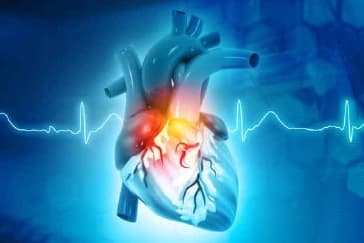
Cold weather increases stress on the heart and lungs by narrowing blood vessels, raising blood pressure, and irritating airways. In winter, chest pain, breathlessness, and infection risks rise - especially in older adults and people with BP, diabetes, asthma, or heart disease.
Winter is a pleasant season for many people. The mornings are cool, nights are cozy, and hot food tastes better. But doctors across India notice one worrying trend every year-heart and lung problems increase during winter.
Many people visit hospitals with chest pain in winter, breathing trouble, or sudden worsening of existing health conditions. These issues are often ignored at first, as they are blamed on cold weather, pollution, or seasonal weakness. However, cold weather can seriously affect the heart and lungs, especially in older adults and people with lifestyle diseases.
Let us understand why this happens and how you can protect yourself.
Winter puts extra stress on the body. Cold temperatures cause physical changes that affect blood flow and breathing.
Here are the main reasons heart and lung problems become more common in winter:
Many people also eat heavy food, gain weight, and drink less water in winter, which further affects heart and lung health. So yes, cold weather affects heart problems, and this effect is stronger if preventive care is ignored.
When you are exposed to cold, your body tries to keep itself warm. To do this, blood vessels tighten. This causes:
For people with heart disease, this can lead to:
Even people without known heart disease may feel chest discomfort or pressure in cold weather.
Cold air is dry and harsh on the lungs. It irritates airways and reduces oxygen exchange.
This leads to:
People with asthma, COPD, allergies, or past lung infections are more likely to suffer from lung problems in winter.
Here are some heart and lung problems that become more common in winter:
Cold weather raises BP levels, even in people whose BP is usually controlled.
Chest pain, heaviness, or burning sensation during winter should never be ignored.
Cold air and pollution trigger attacks, causing severe breathing difficulty.
Flu, bronchitis, and pneumonia are common respiratory problems in winter, especially in children and elderly people.
Long-lasting cough or breathlessness is often mistaken as “seasonal,” but it may signal lung disease.
Do not ignore these symptoms, especially during winter:
If these signs appear repeatedly, they may indicate serious heart and lung problems.
The good news is - simple habits can greatly reduce winter health risks.
Cold exposure increases heart strain.
This is a basic but powerful step for heart care in winter.
Physical inactivity increases heart risk.
Regular movement improves circulation and lung strength.
Heavy winter food increases cholesterol and weight.
Good food supports both heart and lungs.
These steps help prevent lung problems in winter.
People drink less water in winter.
If you have BP, diabetes, asthma, or heart disease:
Do not wait if you experience:
Early medical help can save life and prevent complications. Many winter emergencies happen because people delay care, thinking symptoms will go away on their own.
Winter may feel harmless, but it quietly increases the risk of heart and lung problems, especially in India where pollution, lifestyle diseases, and stress are common.
Understanding how cold weather affects the heart and lungs, watching for early signs, and following basic winter care can make a big difference.
Your heart and lungs work every second to keep you alive. This winter, give them a little extra care - it can protect your health for years to come.
Yes, cold and dry air irritates the airways, which can trigger wheezing, coughing, and breathing difficulty in asthma and COPD patients.
No, chest tightness can also be a sign of heart problems or lung disease and should not be ignored.
Yes, winter lowers immunity and increases infections, raising the risk of pneumonia and bronchitis, especially in children and older adults.
Yes, cold air can narrow airways and reduce oxygen flow, causing temporary breathlessness in healthy people too.
It can be, especially if it occurs repeatedly or with sweating or breathlessness, and needs medical attention.
Yes, cholesterol levels often rise in winter due to reduced activity and heavier food intake.
Written and Verified by:

Dr. Madhurima Ghosh specializes in complex congenital cardiac malformations and trans-catheter cardiac interventions in children. Awarded the Presidential Gold Medal in Paediatric Cardiology and certified by Sick Kids, Toronto.
Similar Cardiology Blogs
Book Your Appointment TODAY
© 2024 BMB Kolkata. All Rights Reserved.