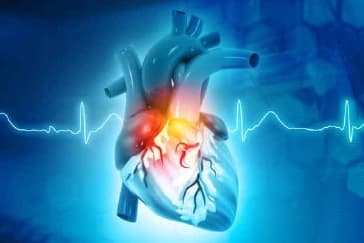
PCOS is more than a hormonal disorder - it can also affect your heart health. Learn how PCOS increases the risk of cardiovascular disease in young women, the warning signs to watch for, and lifestyle changes that can help protect your heart.
Many people think of PMOS (Polyendocrine Metabolic Ovarian Syndrome) as a condition that only affects periods, fertility and hormone levels. However, PMOS - formerly known as PCOS (Polycystic Ovary Syndrome)- is much more than a reproductive disorder. It is a complex hormonal and metabolic condition that can affect several parts of the body, including the heart.
Women with PMOS are more likely to develop conditions such as insulin resistance, high cholesterol, obesity and high blood pressure. These are all well-known risk factors for cardiovascular disease. Although heart problems usually develop later in life, the changes that increase the risk often begin in the teenage years or early adulthood.
PMOS (formerly called PCOS) is a hormonal and metabolic condition in which the ovaries produce higher-than-normal levels of male hormones (androgens). This hormonal imbalance can interfere with ovulation, leading to irregular periods, acne, excessive hair growth and difficulty conceiving in some women.
The ovaries may also develop multiple small, immature follicles, often referred to as cysts, although not every woman with PMOS has visible cysts on ultrasound.
Unlike what many people believe, PMOS does not affect only the ovaries. It also changes how the body processes sugar, stores fat and responds to insulin. Over time, these metabolic changes can increase the risk of several health conditions, including:
Because PMOS affects multiple body systems, it requires long-term care rather than treatment focused only on menstrual symptoms.
One of the biggest health concerns associated with PCOS is its effect on cardiovascular health.
Research shows that up to 70% of women with PMOS/PCOS have insulin resistance, even if they are not overweight. Insulin resistance is one of the main reasons why women with PCOS are more likely to develop diabetes, abnormal cholesterol levels and high blood pressure.
Women with PMOS are also more likely to have:
Over time, these changes can damage blood vessels and increase the risk of cardiovascular disease.
This is why many experts now recognise that PCOD leads to heart disease indirectly through its effects on metabolism and blood vessels. While PMOS itself does not directly damage the heart, it creates conditions that make heart disease more likely over the long term.
One of the strongest connections between PCOS and heart disease is insulin resistance.
Normally, insulin helps move sugar from your bloodstream into your body's cells, where it is used for energy. In women with PMOS, the body's cells become less responsive to insulin. To compensate, the pancreas produces more insulin.
High insulin levels can:
These changes make it easier for fatty deposits to build up inside the arteries, increasing the risk of heart disease and stroke over time.
Studies also show that women with PMOS have a significantly higher risk of developing type 2 diabetes than women without the condition. Since diabetes is itself a major risk factor for heart disease, controlling blood sugar becomes an important part of protecting cardiovascular health.
If you're wondering how PCOS affects the heart, the answer lies in these long-term metabolic changes. The condition increases cardiovascular risk gradually rather than causing immediate heart damage.
Heart disease often develops silently, and many risk factors do not cause symptoms in the early stages. However, women with PMOS should be aware of changes that may indicate worsening metabolic or cardiovascular health.
Watch out for:
Some women also experience PCOS and heart palpitations, which feel like a racing, pounding or irregular heartbeat. While palpitations are not always caused by heart disease, they should be evaluated if they occur frequently or are associated with dizziness, chest pain or fainting.
Similarly, changes in PCOS and heart rate may occur due to hormonal fluctuations, anxiety or other medical conditions. Although they are not always serious, they should not be ignored.
Many women ask, can PCOS cause heart attack? PMOS does not directly cause a heart attack. However, it increases several cardiovascular risk factors that can raise the likelihood of heart disease over time if left untreated.
Likewise, can PCOS cause heart disease? Current evidence suggests that women with PMOS have a higher long-term risk because of insulin resistance, abnormal cholesterol, obesity, diabetes and high blood pressure.
The good news is that many of the cardiovascular risks associated with PMOS can be reduced with healthy lifestyle habits.
If you are overweight, losing even 5-10% of your body weight can improve insulin sensitivity, hormone balance and cholesterol levels.
Aim for at least 150 minutes of moderate-intensity exercise every week, along with muscle-strengthening activities on two or more days each week.
Choose foods such as:
Reduce your intake of sugary drinks, processed foods and foods high in saturated fat.
Chronic stress and poor sleep can worsen hormonal imbalance and insulin resistance. Practising relaxation techniques and getting 7-9 hours of sleep each night can support overall health.
Smoking further increases the risk of cardiovascular disease and should be avoided.
Your doctor may recommend medicines to improve insulin resistance or manage cholesterol, blood pressure or blood sugar depending on your individual health needs.
Many of the cardiovascular risks linked to PMOS develop without noticeable symptoms. That's why regular health check-ups are important, even for young women.
Your doctor may recommend periodic screening for:
Women who are overweight, have diabetes, smoke or have a family history of heart disease may need more frequent monitoring.
Regular check-ups also help doctors assess whether lifestyle changes and treatment are effectively reducing cardiovascular risk.
PMOS is much more than a condition that affects periods or fertility. It is a hormonal and metabolic disorder that can influence your long-term heart health. By increasing the risk of insulin resistance, abnormal cholesterol levels, obesity and high blood pressure, PMOS can contribute to the development of cardiovascular disease over time.
The good news is that these risks are not inevitable. Healthy eating, regular exercise, routine heart health screenings and timely medical care can significantly reduce the chances of future complications.
If you have been diagnosed with PMOS, don't wait until symptoms appear. Understanding the link between PCOS and heart disease and taking preventive steps today can help protect your heart and improve your overall health for years to come.
PCOD can increase the risk of insulin resistance, obesity, high blood pressure and abnormal cholesterol levels, all of which are linked to heart disease.
Insulin resistance can raise blood sugar, increase unhealthy cholesterol levels and promote inflammation, which may damage blood vessels over time.
Yes, women with PCOD are more likely to develop high blood pressure and unhealthy cholesterol levels, increasing their long-term cardiovascular risk.
Yes, regular exercise, a balanced diet, maintaining a healthy weight and routine health check-ups can significantly lower the risk of heart disease.
Women with PCOD should have regular check-ups as advised by their doctor, including monitoring blood pressure, blood sugar and cholesterol, especially if they have additional risk factors such as obesity or diabetes.
Written and Verified by:

Dr. Anil Mishra is the Director of Cardiology Dept. at BM Birla Heart Hospital, Kolkata. He specializes in complex angioplasties, pacemaker & AICD implantation, CRT-D, TAVI, and was the first in Eastern India to perform rotablation and implant leadless pacemakers.
Similar Cardiology Blogs
Book Your Appointment TODAY
© 2024 BMB Kolkata. All Rights Reserved.