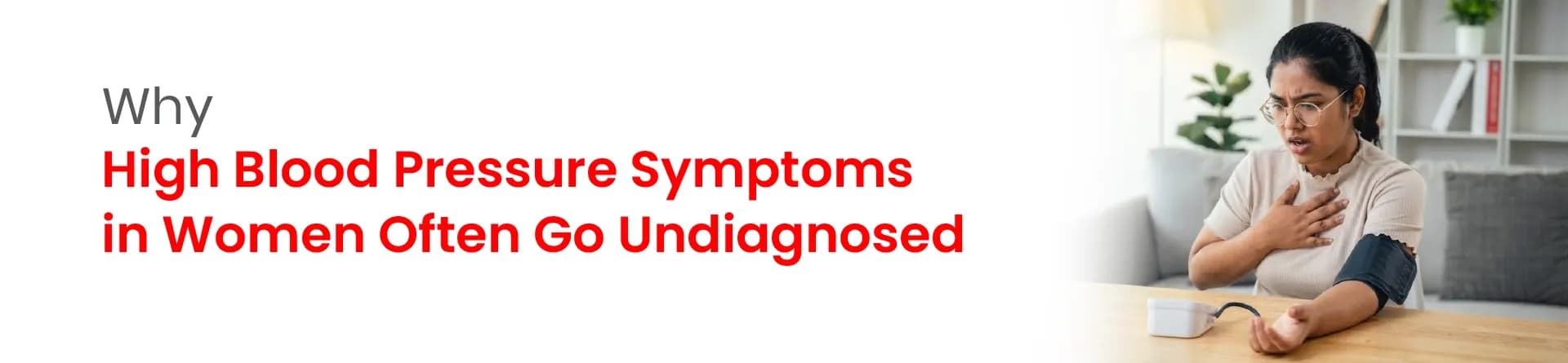
High blood pressure is often called the silent killer because it may not cause noticeable symptoms until serious complications develop. Women can easily mistake warning signs for stress or hormonal changes. Regular blood pressure checks and early diagnosis are essential to reduce the risk of heart disease and stroke.
Did you know? Nearly 1 in 3 women worldwide has high blood pressure.
According to the World Health Organization (WHO), about 30% of adult women globally have hypertension. ( Source)
Despite being so common, many women do not realise they have the condition because high blood pressure often develops without obvious symptoms. Even when signs do appear, they may be mistaken for stress, hormonal changes, menopause, or everyday tiredness. This can delay diagnosis and treatment, increasing the risk of serious health problems.
In this blog, we'll explain why high blood pressure symptoms in women often go undiagnosed, the warning signs to look out for, and when it's time to seek medical care.
High blood pressure, or hypertension, is a condition in which the force of blood against your artery walls remains higher than normal. This makes your heart work harder to pump blood throughout your body. Over time, high blood pressure can damage your arteries, heart, kidneys, and other organs. It also increases the risk of serious health problems, such as:
Because it usually does not cause symptoms, high blood pressure is often called the "silent killer". Doctors measure blood pressure in millimetres of mercury (mmHg). A blood pressure reading has two numbers:
In general, a blood pressure reading of 140/90 mmHg or higher is considered high blood pressure. Your doctor may also consider your age, medical history, and overall health before making a diagnosis.
High blood pressure is often called the "silent killer" because it usually does not cause symptoms, even when blood pressure is high. Many women feel healthy and do not know they have hypertension until it is detected during a routine health check-up or after it causes serious health problems.
Although high blood pressure can affect anyone, certain factors make it more likely to go unnoticed in women.
Note: High blood pressure cannot be diagnosed based on symptoms alone. The only way to know if your blood pressure is high is to have it checked regularly. This is especially important if you are over 40 or have risk factors such as obesity, diabetes, kidney disease, or a family history of hypertension.
Most women with high blood pressure experience no symptoms at all. As a result, they may live with the condition for years without knowing they have it.
According to the World Health Organization (WHO), nearly 46% of adults with hypertension are unaware of their condition. In some cases, very high blood pressure can cause symptoms such as:
If you notice any of these symptoms, especially if they occur suddenly or are severe, seek medical care without delay.
The risk of high blood pressure increases with age. This makes it important to understand high blood pressure symptoms in women in their 40s. However, most women do not experience any symptoms unless their blood pressure becomes very high.
Hormonal changes during perimenopause can affect blood pressure. Weight gain, reduced physical activity, and stress can also increase the risk of hypertension.
Women in their 40s may also develop other risk factors, such as:
Even if you feel healthy, your 40s are a good time to start regular blood pressure checks. Regular heart health assessments can also help detect problems early.
Several factors can contribute to high blood pressure in women. Hormonal changes, stress, and daily lifestyle habits are among the most common. These factors may not directly cause hypertension. However, they can increase the risk over time.
Hormones help regulate many body functions, including blood pressure. During pregnancy, perimenopause, and menopause, changes in hormone levels can affect how your blood vessels work. After menopause, lower oestrogen levels may reduce the natural protection of the heart and blood vessels. This can increase the risk of high blood pressure.
Stress does not directly cause long-term high blood pressure. However, frequent or ongoing stress can lead to temporary increases in blood pressure. It may also encourage unhealthy habits, such as overeating, smoking, drinking alcohol, or getting too little sleep. Over time, these habits can increase the risk of hypertension.
Your daily lifestyle has a major impact on blood pressure. The following habits can increase your risk of hypertension:
Making healthy lifestyle changes can help control blood pressure and reduce the risk of heart disease. Eating a balanced diet, staying active, maintaining a healthy weight, managing stress, and getting enough sleep all support better heart health.
High blood pressure is often called the "silent killer" because it usually causes no warning signs while quietly damaging the body. Without treatment, hypertension can gradually damage several organs, including:
Over time, untreated hypertension increases the risk of:
Some women discover they have high blood pressure only after experiencing one of these serious complications. This is why doctors emphasise routine screening instead of waiting for symptoms to appear.
Because high blood pressure often develops silently, regular screening is one of the most effective ways to protect your health. Women should have their blood pressure checked regularly, even if they feel completely well. You may need more frequent monitoring if you have:
Women over 40 and those approaching menopause should be especially proactive about regular health check-ups.
If your blood pressure is elevated, your doctor may recommend lifestyle changes, home blood pressure monitoring, or medication, depending on your readings and overall health.
Although some risk factors, such as age and family history, cannot be changed, many others can be managed. Simple lifestyle habits include:
Small changes made consistently can have a significant impact on long-term heart health.
The high blood pressure symptoms in women are often difficult to recognise because most women experience no symptoms until complications develop. This is why hypertension remains one of the leading but preventable causes of heart disease and stroke.
Understanding the signs of hypertension in women, recognising your personal risk factors and scheduling regular blood pressure checks are essential steps towards protecting your health. Whether you're in your 30s, 40s or beyond, early detection and healthy lifestyle choices can help prevent serious complications and support a healthier future.
Yes, hormonal changes during pregnancy, perimenopause and menopause can influence blood pressure and may increase the risk of hypertension in some women.
High blood pressure usually causes no symptoms in both women and men. When symptoms do occur, they are generally similar and often indicate severely elevated blood pressure.
Women should have their blood pressure checked regularly as recommended by their doctor, especially after the age of 40 or if they have risk factors such as obesity, diabetes or a family history of hypertension.
Yes, the risk of high blood pressure increases after menopause due to hormonal changes, ageing and other cardiovascular risk factors.
No, most people with high blood pressure do not experience headaches. Severe headaches may occur only when blood pressure becomes dangerously high and require immediate medical attention.
Yes, women who develop high blood pressure during pregnancy, such as gestational hypertension or pre-eclampsia, have a higher risk of developing chronic hypertension and heart disease later in life.
Written and Verified by:

Dr. Anil Mishra is the Director of Cardiology Dept. at BM Birla Heart Hospital, Kolkata. He specializes in complex angioplasties, pacemaker & AICD implantation, CRT-D, TAVI, and was the first in Eastern India to perform rotablation and implant leadless pacemakers.
Similar Cardiology Blogs
Book Your Appointment TODAY
© 2024 BMB Kolkata. All Rights Reserved.