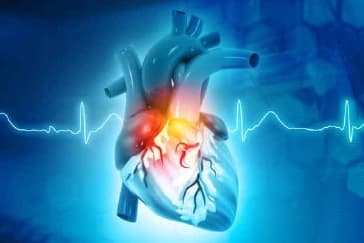
Looking healthy doesn't always mean your heart is healthy. Hidden conditions like high cholesterol, high blood pressure, diabetes, and blocked arteries can develop silently and increase the risk of a sudden heart attack - even in young, fit adults. This guide explains the hidden causes of heart attacks, early warning signs, essential screening tests, and practical steps to protect your heart before symptoms appear.
When we think of heart attacks, we often imagine an older person with obvious health problems. But in recent years, there has been a worrying rise in sudden heart attack cases among younger adults who appear healthy, exercise regularly and maintain a normal body weight.
Looking fit on the outside does not always mean your heart is healthy. High cholesterol, high blood pressure, diabetes and blocked arteries can develop silently for years without causing noticeable symptoms. In some people, the first sign of heart disease is a heart attack.
The good news is that many of these risks can be identified early through regular health check-ups and lifestyle changes. In this blog, we'll explore the causes of sudden heart attacks, their warning signs, and ways to prevent them.
According to the World Health Organization (WHO), cardiovascular diseases are the leading cause of death worldwide, claiming an estimated 17.9 million lives each year. This highlights the importance of detecting heart disease early, even in people who appear healthy and have no obvious symptoms.
Many heart conditions develop gradually and silently. A person may look healthy, maintain a normal weight, and still have underlying cardiovascular disease.
This is because conditions such as high cholesterol, diabetes, and high blood pressure often do not cause noticeable symptoms until significant damage has already occurred. Over time, fatty deposits (plaques) can slowly build up inside the coronary arteries, reducing blood flow to the heart.
If one of these plaques suddenly ruptures, a blood clot can form and completely block the artery. Without oxygen-rich blood, part of the heart muscle begins to die, causing a heart attack. This is one of the major reasons why sudden heart attacks can occur in people who otherwise appear healthy.
Many people assume heart disease affects only those who are overweight or elderly. However, several hidden risk factors can quietly damage the heart over time.
Common risk factors include:
Certain medical conditions, such as chronic kidney disease and autoimmune disorders, can also increase cardiovascular risk.
Diabetes deserves special attention because it can damage the nerves that normally signal chest pain. As a result, some people experience a silent heart attack without the typical warning symptoms.
Understanding what causes a sudden heart attack begins with recognizing these hidden risk factors. Most heart attacks are not random events—they are usually the result of years of gradual damage to the arteries.
One of the biggest misconceptions is that being slim or physically active guarantees good heart health.
While maintaining a healthy weight and exercising regularly certainly reduce cardiovascular risk, they do not eliminate it completely. A sudden heart attack in a healthy person can still occur if there are hidden problems, such as:
Some people also develop early coronary artery disease because of inherited genetic factors, even when they lead healthy lifestyles.
This is why doctors recommend regular health screenings rather than relying only on appearance or fitness levels. If you've ever wondered, are heart attacks sudden? The answer is both yes and no.
The actual blockage that causes a heart attack happens suddenly. However, the artery narrowing that leads to the blockage usually develops slowly over many years.
Similarly, do heart attacks happen suddenly? While the symptoms may begin abruptly, the underlying disease has often been progressing silently for a long time.
Heart attacks do not always begin with severe chest pain. Many people experience subtle symptoms that are mistaken for indigestion, muscle strain or fatigue.
Common warning signs include:
Women, older adults and people with diabetes are more likely to experience less typical symptoms.
Some people may have only mild chest discomfort or unexplained fatigue before a sudden heart attack occurs.
Because these symptoms can be subtle, they should never be ignored, especially if they appear suddenly or worsen with physical activity.
Many heart conditions develop without causing noticeable symptoms. Regular health screenings can identify hidden cardiovascular risk factors before they become serious. Detecting these risks early can help prevent complications such as a heart attack or stroke.
Simple tests such as the following can identify common cardiovascular risk factors:
Depending on your age, family history, symptoms, and overall risk, your doctor may also recommend:
These tests provide a more detailed evaluation of your heart and can help detect problems that routine screenings may not reveal.
Identifying heart disease early allows doctors to recommend lifestyle changes, medications, or additional tests before significant damage occurs. Even if you feel healthy, regular preventive check-ups can lower your risk of future cardiovascular problems and support long-term well-being.
Tip: Adults should have regular health check-ups, especially if they have high blood pressure, diabetes, high cholesterol, obesity, a history of smoking, or a family history of heart disease. Routine screening can help detect problems before they cause serious complications.
Knowing what to do in case of sudden heart attack can save a life. If you or someone nearby develops symptoms suggestive of a heart attack:
Prompt treatment restores blood flow to the heart and significantly improves the chances of survival while reducing permanent heart damage.
Although not every heart attack can be prevented, adopting heart-healthy habits can greatly reduce your risk.
Simple steps include:
Small lifestyle changes made today can have a lasting impact on your heart health.
A healthy appearance does not always reflect a healthy heart. Many people with no obvious symptoms may already have underlying cardiovascular disease, making it important to look beyond outward fitness.
Understanding the reasons for sudden heart attack, recognising early warning signs and identifying hidden risk factors can help prevent life-threatening complications. Regular screening, healthy lifestyle choices and timely medical care remain the most effective ways to protect your heart.
If you have risk factors such as diabetes, high blood pressure, high cholesterol or a family history of heart disease, don't wait for symptoms to appear. Early detection can make all the difference in preventing a sudden heart attack and safeguarding your long-term health.
Sedentary lifestyles, chronic stress, poor diet, smoking, diabetes, high cholesterol and undiagnosed heart conditions are some of the factors contributing to the rise in heart attacks among younger adults.
High blood pressure, high cholesterol, diabetes, family history, smoking and plaque build-up in the coronary arteries can silently damage the heart without causing noticeable symptoms.
Yes, chronic stress and inadequate sleep can contribute to high blood pressure, inflammation and unhealthy lifestyle habits, increasing the risk of heart disease over time.
No. Even with normal cholesterol levels, factors such as high blood pressure, diabetes, smoking, genetics and inflammation can still increase the risk of heart disease.
Yes. Being physically fit does not completely eliminate the risk, especially if a person has an underlying heart condition, inherited cardiac disorder or undiagnosed coronary artery disease.
Your doctor may recommend tests such as blood pressure measurement, cholesterol and blood sugar tests, an ECG, an echocardiogram or a stress test based on your age, symptoms and overall risk profile.
Written and Verified by:

Dr. Anil Mishra is the Director of Cardiology Dept. at BM Birla Heart Hospital, Kolkata. He specializes in complex angioplasties, pacemaker & AICD implantation, CRT-D, TAVI, and was the first in Eastern India to perform rotablation and implant leadless pacemakers.
Similar Cardiology Blogs
Book Your Appointment TODAY
© 2024 BMB Kolkata. All Rights Reserved.