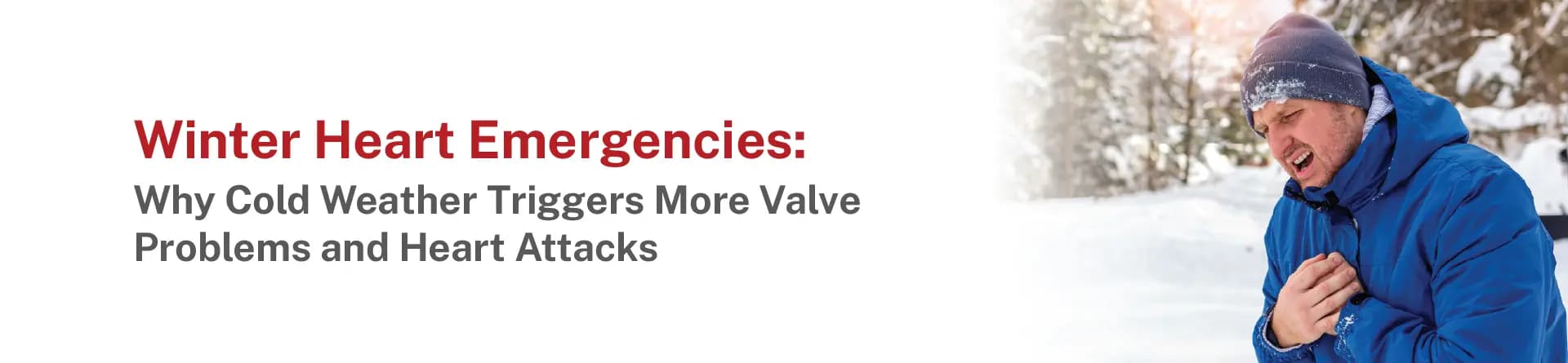
Winter ups heart attack risk by 50% via vessel constriction, higher BP, thicker blood—extra strain on valves.
Dr. Siotia advises vigilance. FAQs on clots/symptoms.
Cold weather is usually linked to colds, flu, and sniffles, but did you know it can also put extra strain on your heart? According to India’s first NABH-accredited BM Birla Heart Hospital, Kolkata, the risk of a heart attack increases by nearly 50% during winter.
Explaining this seasonal risk, Dr. Anjan Siotia, Director of Cardiology at BM Birla Heart Research Centre, says, “Cold-induced blood vessel constriction leads to higher blood pressure and reduced oxygen supply to the heart. This significantly increases the risk of heart attacks, particularly in patients with hypertension, coronary artery disease, and heart valve disorders.”
The cardiology team at BM Birla Heart Research Centre recommends taking preventive steps such as regular heart checkups, strict medication adherence, keeping yourself warm, and engaging in light to moderate exercise. It’s also important to watch for early warning signs, such as chest pain in winter or breathlessness, so you can seek medical help quickly.
When it’s cold, your body tries to stay warm. Blood vessels tighten to keep heat inside. This may sound harmless, but it makes your heart work harder.
Here’s what happens in winter:
All these changes mean your heart is under more pressure. For people with heart valve problems, this extra strain can cause complications and even emergencies.
Cold weather can trigger a heart attack in several ways:
Even if you feel fine, your heart works much harder in winter. That is why heart emergencies rise in cold months.
People with heart valve problems need to be extra careful. Heart valves control blood flow in your heart. When they are weak or damaged, winter stress can worsen the situation.
Cold weather may cause:
These symptoms may indicate a winter heart emergency. Don’t ignore them, even if they seem small. Early action can save your life.
Here are the signs that you should watch for:
If chest pain lasts more than a few minutes or comes repeatedly, call a doctor immediately.
Some people have a higher chance of heart attack in winter:
If you belong to these groups, winter is a time to be extra careful. Even small symptoms should not be ignored.
Precautions for Heart Patients in Winter
You can reduce heart attack risk in winter by taking simple precautions:
To prevent heart attack in winter:
For people with heart valve problems, regular check-ups are very important. Your doctor may adjust medicines or give advice specific to winter.
Winter can be risky for your heart. Cold air puts extra stress on blood vessels and the heart, increasing the risk of heart attacks and heart valve problems.
The good news is most winter heart emergencies are preventable. By taking precautions, noticing early warning signs, and seeking help early, you can protect your heart and stay safe.
Remember: your heart works harder in winter. Listen to it, care for it, and never ignore warning signs. Stay warm, stay active safely, and take your medicines regularly. Your heart will thank you.
Cold weather tightens blood vessels, raises blood pressure, and increases heart strain, making heart attacks more likely.
Yes, sudden exposure to cold can overload the heart and trigger a heart attack, especially in people with existing heart disease.
Yes, cold temperatures cause blood vessels to constrict, which can lead to a sudden rise in blood pressure.
The symptoms are generally the same—chest pain, shortness of breath, dizziness—but a cold may make them more noticeable or severe.
Yes, cold and dehydration can make blood thicker, increasing the risk of clots that may block arteries.
Written and Verified by:

Dr. Anjan Siotia is the Director of Cardiology Department at BM Birla Heart Hospital, Kolkata, with over 24 years of experience. He specializes in complex angioplasty, chronic total occlusion, TAVI, CRT & ICD pacemaker surgery, and radial interventions.
Similar Emergency Care Blogs
Book Your Appointment TODAY
© 2024 BMB Kolkata. All Rights Reserved.


.webp&w=750&q=75)
