Many heart attack deaths in India occur at home due to delayed recognition of symptoms and late medical intervention. Understanding the early warning signs of a heart attack, knowing when to seek emergency care, and adopting heart-healthy lifestyle habits can significantly improve survival rates and help prevent avoidable cardiac emergencies.
Did you know that heart disease is now the leading cause of death in India?
What is even more concerning is that many heart attack deaths happen at home. In many cases, the person does not reach the hospital in time. Some mistake the symptoms for acidity or indigestion. Others choose to rest and wait, hoping the discomfort will go away on its own. Unfortunately, these delays can prove fatal.
The good news is that many heart attack deaths can be prevented. Recognising the warning signs early, seeking immediate medical attention, consulting a cardiologist when needed, and adopting heart-healthy habits can make a life-saving difference.
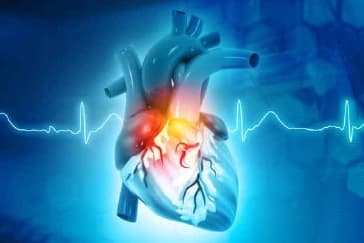
Your heart needs a constant supply of oxygen-rich blood to keep pumping properly. This blood reaches the heart through blood vessels called coronary arteries.
A heart attack happens when one of these arteries becomes blocked, usually by a blood clot. As a result, a part of the heart does not get enough oxygen. Without oxygen, the heart muscle starts getting damaged.
You can think of it like a water pipe supplying water to a house. If the pipe gets blocked, water cannot reach where it is needed. In the same way, when blood flow to the heart is blocked, the heart muscle begins to suffer.
This is why a heart attack is a medical emergency. The longer the blockage remains untreated, the more damage occurs to the heart.
Quick treatment can restore blood flow and save heart muscle, which is why every minute counts. Many people also believe that a heart attack always causes severe chest pain. While chest pain is a common warning sign, not everyone experiences it in the same way.
Some people may only feel discomfort in the chest, shortness of breath, unusual sweating, nausea, or pain in the jaw, neck, back, or arm. Because these symptoms can seem mild or unrelated to the heart, they are often ignored.
Many heart attack deaths in India occur at home because the symptoms are often ignored, misunderstood, or not treated quickly enough. Since a heart attack is a medical emergency, every minute of delay can increase the risk of serious complications or death. Some of the most common reasons include:
Many people do not recognise the warning signs of a heart attack. Symptoms are often mistaken for:
As a result, people delay seeking medical help.
Doctors often refer to the first hour after a heart attack as the "golden hour". Early treatment during this period can improve survival and reduce heart damage. However, many patients delay treatment because they:
Not all heart attacks cause severe chest pain. Some people may experience:
Because these symptoms seem unrelated to the heart, they are often ignored.
Heart attacks are becoming more common due to risk factors such as:
According to the World Health Organization (WHO), cardiovascular diseases account for more than 26% of all deaths in India and nearly 45% of deaths among adults aged 40 to 69 years.
Many families are unsure what to do during a heart attack emergency. Common mistakes include:
Recognising the warning signs early can save a life. Not everyone experiences the same symptoms, but some common signs include:
Women, older adults, and people with diabetes may experience less typical symptoms. They may complain of fatigue, nausea, indigestion, back pain, or jaw pain instead of severe chest pain. Because these symptoms seem harmless, they are often ignored.
Many people search for how to check for a heart attack at home. It is important to understand that there is no reliable way to confirm a heart attack at home. However, you should never ignore symptoms such as:

If these symptoms occur, seek emergency medical care immediately. Do not wait for them to disappear.
A heart attack can often be treated successfully if medical help is received quickly. However, many people lose valuable time because they do not recognise the seriousness of the situation. Here are some of the most common delays that can turn a treatable emergency into a fatal one:
Many people assume chest pain is caused by:
Instead of seeking help, they wait for the discomfort to go away. Unfortunately, this delay can allow the heart muscle to suffer permanent damage.
Some people choose to rest, sleep, or wait for a few hours before seeking medical attention. This is dangerous because heart muscle damage begins within minutes of a blocked artery. The longer the delay, the greater the risk of complications and death.
Not every heart attack causes severe chest pain. People often ignore symptoms such as:
Because these symptoms seem unrelated to the heart, treatment is often delayed.
Some people try:
While these measures may seem harmless, they do not treat a blocked artery. A heart attack requires immediate medical care.
Family members may spend time:
These delays can waste precious minutes during a medical emergency.
Many patients choose private transportation instead of calling emergency medical services. An ambulance can provide early medical support and alert the hospital before the patient arrives, helping treatment begin faster.
Heart attacks are increasingly affecting younger adults in India, especially those with:
Assuming you are too young or too healthy for a heart attack can lead to dangerous delays.
Doctors often say, "Time is muscle." The longer a heart attack goes untreated, the more heart muscle is damaged. Seeking immediate medical attention can save heart function, reduce complications, and improve the chances of survival.
Knowing the correct response can save a life.

When it comes to heart attack treatment at home, it is important to remember that there is no home treatment that can cure a heart attack. Professional medical care is essential.
The good news is that many heart attacks can be prevented.
If you are wondering how to prevent heart attack at home, these healthy habits are the most effective place to start.
Many heart-related conditions develop silently without causing symptoms. A person may have high blood pressure, diabetes, or high cholesterol for years without realising it. Regular health check-ups can help detect these problems early. Important screenings include:
Early diagnosis allows treatment to begin before serious complications occur. People with a family history of heart disease should be especially careful about regular screening.
Many cases of heart attack death in India happen at home because symptoms are ignored, treatment is delayed, or people do not know how to respond during an emergency.
Recognising the warning signs, seeking immediate medical help, and understanding the correct first aid for a heart attack at home can save lives. At the same time, healthy lifestyle choices and regular medical check-ups play a major role in preventing heart disease.
Remember, a heart attack is always a medical emergency. If you suspect that you or someone around you may be having a heart attack, do not wait. Quick action can reduce complications and improve the chances of survival.
Common warning signs include chest pain or pressure, shortness of breath, sweating, nausea, dizziness, and pain spreading to the arm, jaw, neck, or back.
Yes. Some people, especially women, older adults, and people with diabetes, may experience symptoms such as fatigue, shortness of breath, nausea, or discomfort in other parts of the body without significant chest pain.
The first hour after symptoms begin is often considered the most critical. Early treatment during this period can significantly improve survival and reduce heart damage.
Yes. Although heart attacks are more common in older adults, younger individuals can also experience sudden heart attacks, especially if they have risk factors such as smoking, obesity, diabetes, high cholesterol, or a family history of heart disease.
Stress alone may not directly cause a heart attack, but chronic stress can contribute to high blood pressure, unhealthy eating habits, smoking, poor sleep, and other risk factors that increase heart disease risk.
Written and Verified by:

Dr. Dhiman Kahali is the Director of Interventional Cardiology Dept. at BM Birla Heart Hospital, Kolkata, with over 44 years of experience. He specializes in angioplasty, mitral balloon dilation, and peripheral vascular interventions, and has been honored with the Gandhi Centenary and Mother Teresa International Awards.
Similar Cardiology Blogs
Book Your Appointment TODAY
© 2024 BMB Kolkata. All Rights Reserved.