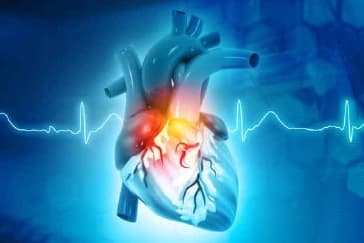
Diwali celebrations can raise air pollution levels that strain your heart, especially if you have a heart condition. Learn how firecracker smoke impacts heart health and how to stay safe this festive season.
The joyous mood of Diwali fills our homes with happiness and warmth. However, the celebrations also bring increased air pollution from firecrackers, which can affect your heart health. For those living with heart disease, even a little smoke can be harmful. Taking small precautions can help you enjoy the festival safely and protect your heart.
Firecrackers release a mixture of harmful gases and fine particles into the air. These include carbon monoxide, sulphur dioxide, nitrogen oxides, and particulate matter (PM2.5 and PM10). These tiny particles are so small that they can easily enter your bloodstream through the lungs.
When these pollutants enter the blood, they cause inflammation in the blood vessels and make them narrow. This restricts the flow of blood to the heart, which can trigger heart attacks, increase blood pressure, and lead to irregular heartbeats.
For someone already suffering from heart disease, even short exposure to firecracker smoke can be dangerous. Studies have shown that air pollution and heart disease are closely linked. During Diwali, air quality in many Indian cities becomes several times worse than normal. This makes the festival period especially risky for those with existing cardiovascular conditions.
When the air gets filled with toxic smoke and dust, it does not just irritate your throat or eyes. It directly affects the heart and circulatory system. For heart patients, this can lead to severe health problems, such as:
For elderly heart patients or those who have undergone heart surgery, even mild pollution can be harmful. That’s why avoiding firecrackers is one of the most effective forms of heart disease prevention during festivals.
Festivals like Diwali bring happiness, but they can also bring stress, irregular eating habits, and exposure to pollution. All these factors can combine to make life harder for heart patients.
Here are a few reasons why heart patients are more at risk during this time:
All these factors make it even more important for heart patients to avoid firecrackers and take extra care of their health during the festive season.
Even short exposure to polluted air or firecracker smoke can trigger warning signs in heart patients. Be alert and look out for these symptoms:
If any of these symptoms appear during or after Diwali celebrations, do not ignore them. These could be signs of a heart problem or reduced oxygen levels in the blood.
While you may not control the air outside, you can take smart steps to protect yourself and your loved ones. Here are some cardiovascular health tips and preventive measures to follow during Diwali:
The simplest and most effective step for heart patients is to avoid firecrackers altogether. Celebrate Diwali with lights, diyas, sweets, and family — not smoke and noise.
Limit outdoor activities, especially in the evening when pollution levels are highest. If you must step out, wear an N95 mask to reduce exposure to harmful particles.
Use apps or websites that show real-time air quality data. Avoid going out when the Air Quality Index (AQI) is poor or very poor.
Use air purifiers indoors to remove pollutants. Keep windows closed during peak pollution hours (early morning and late evening).
Drink plenty of water and herbal teas. Hydration helps flush toxins from your body and supports overall heart disease prevention.
Include foods rich in antioxidants, such as fruits, vegetables, whole grains, and nuts. Avoid oily, heavy meals and excess sweets, which can increase cholesterol and blood pressure.
Avoid outdoor walks during high pollution days. Instead, do light exercises, yoga, or stretching at home to keep your heart strong and active.
Festivals can sometimes be overwhelming. Practice deep breathing, meditation, or spend quiet time with loved ones to relax your mind and heart.
Smoking increases the damage caused by pollution. Limit or avoid alcohol, as it can raise blood pressure and strain the heart.
Never skip your prescribed heart medicines, even during celebrations. Set reminders if needed.
If you have heart disease and experience any of the following symptoms after exposure to pollution or firecracker smoke, seek medical help immediately:
Do not delay or try to manage these symptoms at home. Quick medical attention can save your life. Also, regular check-ups with your cardiologist are essential, especially before and after the festive season, to monitor your cardiovascular health.
Diwali is a festival of light, not smoke. Firecrackers may bring temporary joy, but they leave behind harmful pollution that can threaten lives — especially for heart patients. By choosing eco-friendly celebrations, staying indoors during peak pollution, and following simple cardiovascular health tips, you can protect your heart and enjoy the festival safely.
Remember, your health is your biggest blessing. This Diwali, spread light, love, and laughter — and say no to firecrackers for a healthier, happier heart.
Yes, the pollutants in firecracker smoke can increase heart stress and may trigger a heart attack in vulnerable individuals.
Smoke can raise blood pressure, reduce oxygen supply, and strain the heart, affecting its normal function.
Heart patients should avoid outdoor activities while firecrackers are burning and for a few hours afterward, especially in areas with heavy smoke.
Wearing a mask can reduce inhalation of smoke particles, offering partial protection, but it does not eliminate all risks.
Yes, air purifiers can help lower indoor pollution levels, which may reduce heart-related risks during the festival.
Even brief exposure can be risky, particularly for those with existing heart conditions, as it can trigger stress on the heart and lungs.
Written and Verified by:

Dr. Anil Mishra is the Director of Cardiology Dept. at BM Birla Heart Hospital, Kolkata. He specializes in complex angioplasties, pacemaker & AICD implantation, CRT-D, TAVI, and was the first in Eastern India to perform rotablation and implant leadless pacemakers.
Similar Cardiology Blogs
Book Your Appointment TODAY
© 2024 BMB Kolkata. All Rights Reserved.