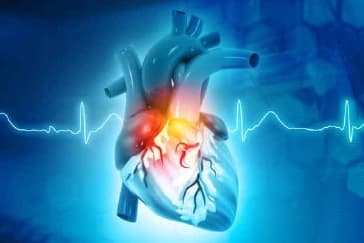
Social isolation can increase your risk of heart disease by raising stress hormones, blood pressure, and inflammation. Studies show it’s as harmful to your heart as smoking or obesity.
We usually think heart disease happens because of eating unhealthy food, not exercising enough, or having high cholesterol. But what if one of the biggest dangers to your heart isn’t physical at all—it’s emotional?
In today’s world, where we’re constantly connected online, many people are actually feeling more disconnected than ever. This quiet lack of real human connection — called social isolation — is slowly affecting our heart health
Recent studies show that being socially isolated or lonely can raise your risk of heart disease almost as much as smoking, obesity, or high blood pressure. Yet, this hidden risk is something very few people talk about
Let’s understand how isolation affects your heart, why it matters, and what you can do to protect yourself
So, what exactly is social isolation?
It means having very little or no regular contact with friends, family, or your community. You might live alone, work from home, or simply find yourself drifting away from people because of stress, long working hours, or lifestyle changes
It’s important to remember that social isolation isn’t the same as loneliness, though they often go together
Both can affect not just your mind but also your heart
According to the American Heart Association, people who are socially isolated have a 30% higher risk of heart attack or stroke. That’s because being cut off from social interaction triggers physiological changes; your body perceives it as stress.
When isolation continues for weeks or months, it can raise levels of cortisol (the stress hormone), increase blood pressure, and promote inflammation in your arteries.
Over time, these changes can harden blood vessels, leading to hypertension and other heart-related diseases
Most people know that poor diet, smoking, or lack of exercise can harm the heart. But very few realise that loneliness can be just as dangerous. Feeling emotionally cut off doesn’t only affect your mood — it can actually affect your heart’s health
When you feel lonely for a long time, your body stays in a mild but constant state of stress. This makes your brain release hormones like adrenaline and cortisol — the same ones that help in emergencies.
But when these hormones stay high all the time, they increase your blood pressure and make your heart work harder than it should. Loneliness can also disturb your sleep, make you tired, and weaken your immune system.
Over time, these changes raise your risk of heart problems such as high blood pressure, obesity, and diabetes — all of which are major heart attack risk factors
You can’t talk about heart health without talking about mental health. Stress, anxiety, and depression are not just “in your head”. They have real, physical effects on your heart
When you’re under constant stress, your body’s alert system is always “on”. Your heart beats faster, your blood vessels tighten, and your blood pressure stays high. Add loneliness to this, and your body gets less time to repair and recover
Studies show that people who live with long-term stress or depression are more likely to suffer from heart attacks or strokes. This happens because stress hormones increase inflammation in your arteries, leading to the buildup of plaque — one of the main causes of heart disease
That’s why doctors today say that mental health and heart health go hand in hand. Taking care of your emotions, managing stress, and maintaining healthy relationships are just as important as diet and exercise when it comes to preventing heart problems
Many people don’t realise they’re becoming socially isolated until it starts affecting their mind or body. Here are some early signs to watch out for:
If these signs sound familiar, don’t ignore them. It’s a signal that you need to reconnect — for both your mental and heart health
The best part is that it’s never too late to make a change
Here are some simple, practical ways to rebuild connections and take care of your heart:
We often worry about protecting our hearts from cholesterol and sugar — but we forget to protect them from loneliness. Human connection is nature’s most powerful heart medicine
Every warm conversation, shared laugh, or simple hug strengthens your emotional core and supports your heart. So, make time for people who matter. Call, meet, talk, or just sit together — because your heart beats better when it beats with others
Loneliness triggers stress hormones that raise blood pressure and heart rate, putting extra strain on the heart over time
Yes. Studies show that people who are socially isolated have a higher risk of heart attacks and strokes due to chronic stress and poor lifestyle habits
Stay in touch with family and friends, join local groups, volunteer, or take part in community activities to stay socially active and emotionally healthy
Yes. Depression increases stress hormones and inflammation in the body, both of which can damage blood vessels and raise the risk of heart disease
Absolutely. Older adults who live alone or have fewer social interactions often face higher risks of high blood pressure, heart problems, and slower recovery after illness
Written and Verified by:

Dr. Aniruddha Mandal is an Associate Consultant in Cardiology at BM Birla Heart Hospital, Kolkata with over 11 years of experience. He specializes in angioplasty, angiography, LMCA stenting, CTO, and advanced diagnostics like FFR, IVUS & OCT.
Similar Cardiology Blogs
Book Your Appointment TODAY
© 2024 BMB Kolkata. All Rights Reserved.