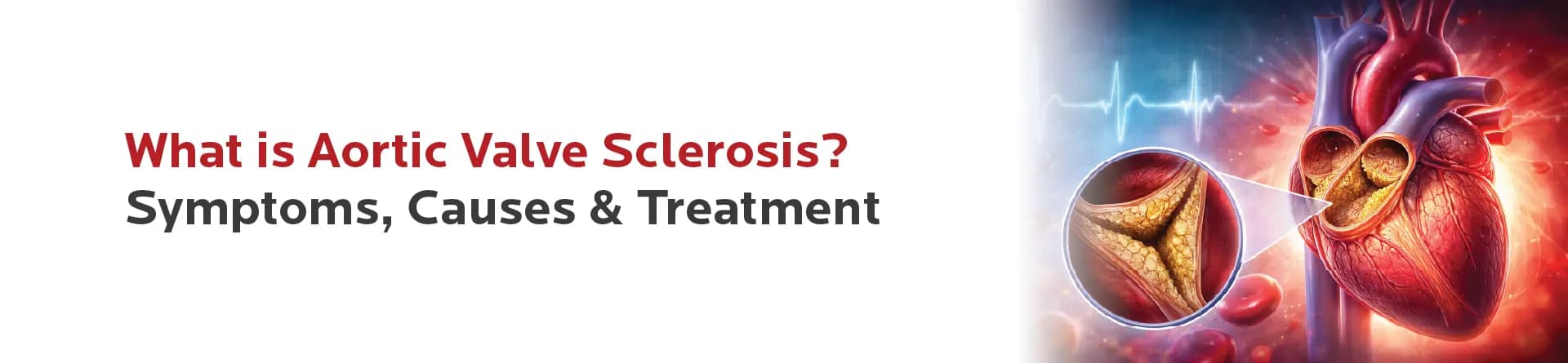
Aortic valve sclerosis: Calcium-thickened aortic valve (not stenosis), common in aging Indians amid rising young heart issues (1/4 deaths). Mild symptoms: fatigue, breathlessness, murmur. Risks: HTN, diabetes, cholesterol, smoking. Diagnose via echo/ECG. Treat: lifestyle (diet/exercise), meds for risks, monitor—no reversal/surgery unless severe. Prevent with heart-healthy habits.
Heart attacks are no longer a problem seen only in older people. Today, more and more Indians in their 30s and 40s are facing heart-related issues.
According to health reports, heart disease is the leading cause of death in India, responsible for nearly 1 in every 4 deaths.
Over the past few years, doctors have also noticed a sharp rise in heart problems among younger adults due to diabetes, high blood pressure, obesity, stress, smoking, and inactive lifestyles.
Earlier, heart valve diseases were mostly found in older people. But now, even young and seemingly healthy individuals are being diagnosed during routine check-ups. One such silent condition is aortic valve sclerosis. Let’s understand what this condition actually is.
Our heart has four valves that help blood flow in the right direction. One of these is the aortic valve, which allows blood to move from the heart to the rest of the body.
Aortic valve sclerosis happens when this valve becomes thick and stiff because of calcium build-up over time. Due to this stiffness, the valve does not open as smoothly as it should.
One important thing to understand is that aortic valve sclerosis is different from aortic valve stenosis. In sclerosis, the valve is hardened but blood flow is usually normal or only slightly affected.
Many people with this condition, especially in the early stage, do not face major problems and continue their daily lives without difficulty.
One reason this condition is often detected late is that early symptoms are very mild or sometimes not present at all.
Still, some people may notice:
In many cases, doctors first suspect the condition when they hear an aortic valve murmur during a routine heart examination.
This murmur is an unusual sound caused by blood flowing across the hardened valve. It’s important to remember that many people with aortic valve sclerosis feel perfectly fine and may not notice any symptoms.
Let’s look at what causes aortic valve sclerosis and who is more likely to develop it.
This is the most common cause. As we grow older, calcium tends to collect in the heart valves.
Long-term high blood pressure puts extra strain on the aortic valve.
People with diabetes have a higher chance of calcium build-up in heart valves.
High levels of bad cholesterol (LDL) can increase calcium deposits in blood vessels and valves.
Smoking damages blood vessels and speeds up the hardening process.
Kidney problems can disturb calcium balance in the body, affecting heart valves.
Some people are born with valve abnormalities, such as a bicuspid aortic valve, which can lead to early sclerosis.
Those with a history of heart problems are at higher risk.
Doctors use a few simple and painless tests to diagnose this condition.
The doctor may hear a heart murmur using a stethoscope.
This is the key test. It helps doctors see:
These tests may be used to check heart rhythm and size.
If a report mentions “the aortic valve has heavy sclerosis”, it means there is significant calcium build-up, though blood flow may still be acceptable.
There is no medicine that can remove calcium once it settles on the valve. So aortic valve sclerosis treatment mainly focuses on slowing its progression and protecting the heart health.
Healthy habits play a big role in aortic valve sclerosis management:
Doctors may prescribe medicines to:
This helps reduce further damage to the valve.
Most patients are advised:
Surgery is not required for aortic valve sclerosis alone. It is considered only if the condition progresses to severe aortic valve stenosis with symptoms.
Aortic valve sclerosis is a fairly common heart valve condition, especially among older adults in India. In most cases, it is mild and does not interfere with daily life. With regular check-ups, healthy habits, and proper medical guidance, many people continue to live well without major concerns.
Aortic valve sclerosis means the valve is thickened but blood flow is mostly normal, while aortic stenosis is a more severe condition where the valve opening narrows and blocks blood flow.
In many cases it is mild, but without regular monitoring it can slowly worsen and increase the risk of heart complications over time.
It cannot be reversed, but healthy lifestyle changes can slow its progression and protect overall heart health.
Progression is usually slow and can take many years, which is why regular check-ups are important.
Patients should avoid foods high in salt, sugar, saturated fats, and processed foods, as these can worsen heart health.
No, surgery is usually not needed unless the condition progresses to severe aortic stenosis with symptoms.
While ageing cannot be avoided, the risk can be reduced by:
Written and Verified by:

Dr. Ratan Kumar Das is the Director of Cardiothoracic & Vascular Surgery Dept. at BM Birla Heart Hospital, Kolkata, with over 30 years of experience. He specializes in off-pump CABG with LIMA-RIMA Y, minimally invasive valve surgery, mitral valve repair, and pediatric cardiac surgery.
Similar Cardiology Blogs
Book Your Appointment TODAY
© 2024 BMB Kolkata. All Rights Reserved.