Low blood pressure (hypotension) may seem less concerning than high blood pressure, but it can still affect your health when it causes symptoms like dizziness, fatigue, blurred vision, and fainting.
Most people think of high blood pressure as a health concern. However, low blood pressure can also cause problems, especially when it leads to symptoms or affects blood flow to important organs.
Low blood pressure, also called hypotension, is generally defined as a blood pressure reading below 90/60 mmHg. For some people, low blood pressure causes no symptoms and may not require treatment. For others, it can lead to dizziness, fatigue, blurred vision, fainting, and difficulty concentrating.
The causes of low blood pressure range from dehydration and nutritional deficiencies to heart conditions and certain medications. Understanding the symptoms and knowing how to manage low blood pressure can help reduce discomfort and prevent complications.
Blood pressure is the force of blood pushing against the walls of the arteries. It is measured using two numbers:
In general, a blood pressure reading below 90/60 mmHg is considered low.
However, low blood pressure is not always a cause for concern. Some people naturally have lower blood pressure and do not experience any symptoms.
Problems can occur when blood pressure becomes low enough to reduce blood flow to important organs such as the brain, heart, and kidneys. This may lead to symptoms such as:
Low blood pressure can have many causes, including:
Age can also play a role. Older adults may be more likely to experience symptoms due to age-related changes in circulation, underlying health conditions, and the use of multiple medications.
Not everyone with low blood pressure experiences symptoms. Some people naturally have lower blood pressure and feel completely well.
However, when blood pressure drops too low, it can reduce blood flow to important organs. This may cause a variety of symptoms.
In more severe cases, low blood pressure may cause confusion, especially in older adults. Symptoms can range from mild to severe. If symptoms occur frequently or interfere with daily activities, it is important to seek medical advice.
Simple lifestyle changes can often help reduce symptoms of low blood pressure. The right habits may also help prevent sudden drops in blood pressure during daily activities.
Dehydration is one of the most common causes of low blood pressure. Make sure to:
Proper hydration can help improve symptoms of low blood pressure and is often recommended as part of home management.
Standing up too quickly can cause a sudden drop in blood pressure. Try to:
Large meals can sometimes trigger a drop in blood pressure, especially in older adults. Smaller meals eaten more frequently throughout the day may help maintain more stable blood pressure levels.
Compression stockings help improve blood flow in the legs. They may also reduce blood pooling, which can contribute to symptoms of low blood pressure.
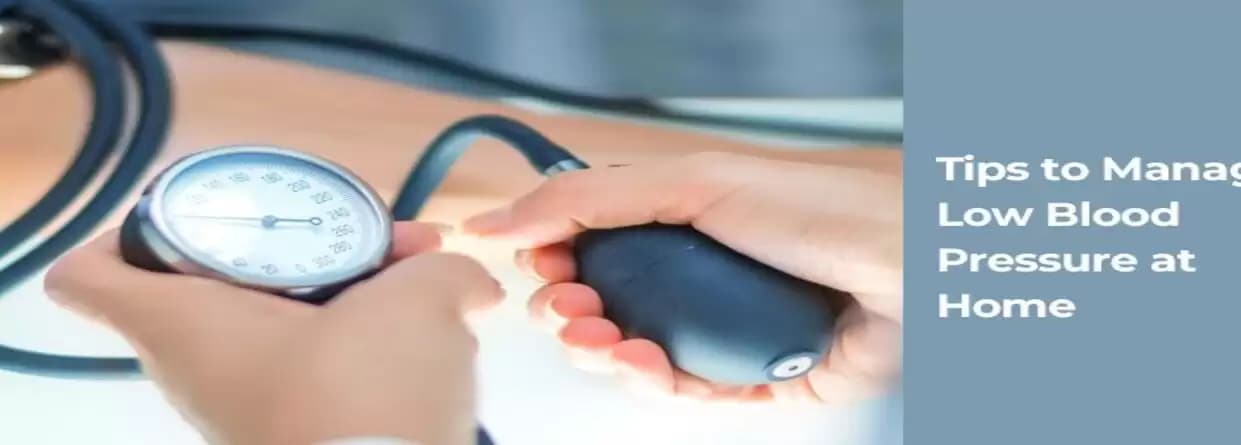
Checking your blood pressure regularly can help you understand your usual readings and identify any changes. It can also provide useful information for your healthcare provider.
Regular physical activity supports healthy circulation and overall cardiovascular health. However, it is important to avoid overexertion and stay hydrated during exercise.
Diet can play an important role in managing low blood pressure.
Water remains one of the simplest and most effective ways to help manage low blood pressure. Other hydrating options include:
Salt helps the body retain fluid, which may increase blood pressure. However, increasing salt intake should only be done under medical supervision, especially for people with heart or kidney conditions.
Foods such as:
can help support overall health and energy levels.
Vitamin B12 and folate deficiencies can contribute to anaemia, which may be associated with symptoms of low blood pressure in some people.
Good sources include:
Long gaps between meals can worsen symptoms in some individuals. A balanced diet remains an important part of managing low blood pressure naturally.
Certain habits can worsen low blood pressure and increase the risk of symptoms such as dizziness, weakness, and fainting. Identifying and avoiding common triggers may help reduce symptoms and improve daily comfort.
Dehydration reduces blood volume, making it one of the most common causes of low blood pressure. Drinking enough fluids throughout the day is important, especially during hot weather, illness, or exercise.
A sudden change in position can cause blood pressure to drop temporarily. This may lead to dizziness or lightheadedness, particularly when getting out of bed or standing after sitting for a long time.
Long gaps between meals can worsen symptoms in some people. Eating regular, balanced meals may help maintain energy levels and support more stable blood pressure.
Alcohol can lower blood pressure and contribute to dehydration. Limiting alcohol consumption may help prevent symptoms from becoming worse.
Prolonged standing can cause blood to pool in the legs, reducing blood flow back to the heart. This may increase the risk of dizziness, weakness, or fainting.
Hot temperatures can cause blood vessels to widen, which may lead to a further drop in blood pressure. Using warm water instead of very hot water may help reduce this effect.
Frequent dizziness, fainting, fatigue, or blurred vision should not be dismissed as normal. Persistent symptoms may indicate an underlying medical condition that requires evaluation and treatment.
Intense physical activity, especially in hot weather, can lead to fluid loss and worsen low blood pressure. Staying hydrated before, during, and after exercise is important.
Low blood pressure does not always require treatment. Some people naturally have lower blood pressure and do not experience any symptoms.
However, medical attention may be needed if low blood pressure causes persistent symptoms or suddenly becomes worse. In some cases, it may be a sign of an underlying health condition that requires treatment.
Seek medical advice if you experience:
Medical evaluation is also important if your blood pressure suddenly drops without an obvious cause or if you have an underlying heart, hormonal, or neurological condition.
Low blood pressure is not always a cause for concern, but it can cause symptoms such as dizziness, fatigue, and fainting in some people. Staying hydrated, eating a balanced diet, and making simple lifestyle changes can often help manage symptoms.
If low blood pressure causes frequent symptoms or suddenly becomes severe, consult a healthcare professional to identify the underlying cause and receive appropriate treatment.
Foods rich in fluids, protein, vitamins, and appropriate amounts of salt may help support healthy blood pressure levels. Examples include soups, eggs, dairy products, fruits, vegetables, legumes, and whole grains.
Yes. Dehydration reduces blood volume, making it one of the most common causes of low blood pressure.
Low blood pressure can reduce blood flow to the brain, leading to dizziness, lightheadedness, or fainting.
Not always. However, if it causes symptoms such as fainting, confusion, chest pain, difficulty breathing, or signs of shock, it may require immediate medical attention.
Yes, salt can help raise blood pressure in some people. However, increasing salt intake should only be done after consulting a healthcare professional.
Written and Verified by:

Dr. Sabyasachi Pal is a Senior Consultant in Cardiology Dept. at BM Birla Heart Hospital, Kolkata, with over 19 years of experience. He specializes in coronary interventions and heart failure management.
Similar Cardiology Blogs
Book Your Appointment TODAY
© 2024 BMB Kolkata. All Rights Reserved.