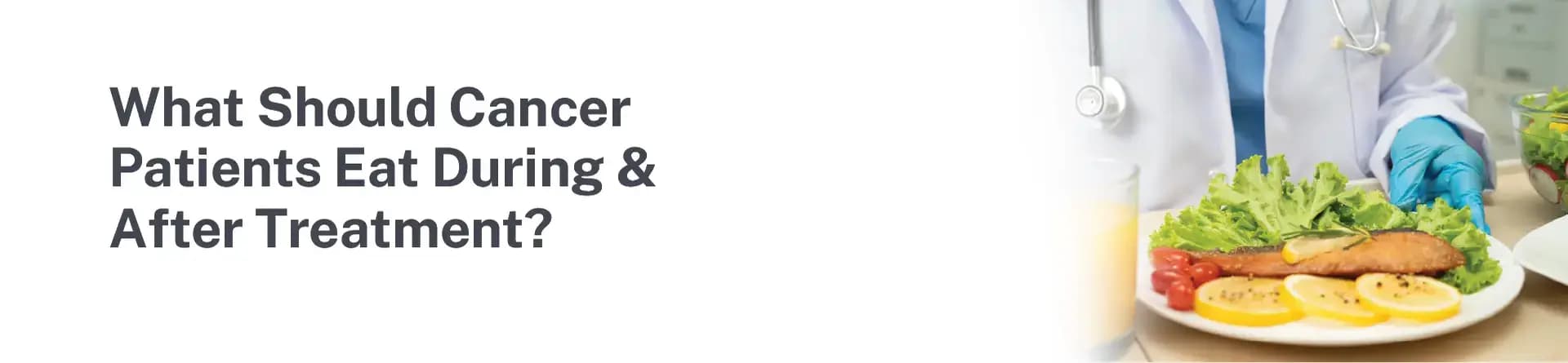
There is no single diet that is right for every person with cancer. Your food needs can change during treatment. They may also change after treatment ends.
A good diet for cancer patients should provide enough protein, calories, vitamins, minerals and fluids. It can help you maintain strength, manage some treatment side effects and support recovery. Food does not replace cancer treatment, but good nutrition can help your body cope with treatment.
Cancer treatment can affect your appetite, taste and digestion. You may also have nausea, vomiting, diarrhoea or constipation. These problems can make it harder to eat enough food.
Your body may also need more protein and calories during treatment. Getting enough nutrition can help you maintain muscle and strength. It can also help prevent malnutrition and support your ability to continue treatment.
This is why your diet for cancer patients should focus on foods that provide good nutrition in amounts you can manage.
So, what should cancer patients eat during treatment? Try to include a variety of foods in your meals. These may include:
A diet plan for cancer patients should be based on their treatment, appetite, weight and nutritional needs. A dietitian can help create a plan that suits you.
Breakfast can include foods such as oats with milk and fruit, vegetable poha, idli with suitable accompaniments, eggs with whole wheat toast, or a paneer or tofu dish.
If your appetite is low, you do not need to force a large breakfast. A smaller, protein-rich meal may be easier to manage.
The diet for cancer patients on chemo and radiation may need to change based on the side effects you experience.
During chemotherapy, you may have nausea, loss of appetite or changes in taste. Small meals every few hours may be easier than three large meals. Foods with less smell may also be easier to tolerate when nausea is a problem.
Radiation therapy can also affect eating. The effect depends on the area being treated. For example, radiation involving the mouth or throat may make swallowing difficult.
If you cannot eat enough, tell your doctor or dietitian. They may suggest high-protein foods, nutrition drinks or other support based on your needs.
Food safety is also important. Some cancer treatments can weaken the immune system. During this time, you may need to avoid raw or undercooked foods, unpasteurised dairy products and raw sprouts. Wash fruits and vegetables well and follow the food safety advice given by your cancer team.
The right food can make some eating problems easier to manage.
There is no need to remove every food you enjoy. However, some foods should be limited as part of a healthy eating pattern.
Try to limit:
Avoid raw or undercooked foods and unpasteurised products when your immune system is weak.
You should also be careful with herbal products and dietary supplements. Some supplements can interact with cancer medicines. Always speak to your doctor before taking them.
After treatment, the focus can gradually move towards a balanced eating pattern. You may need to rebuild strength, regain lost weight or manage weight changes.
Include more vegetables, fruits, whole grains, beans, lentils, nuts and seeds. Choose healthy sources of protein such as fish, poultry, beans and lentils. Limit highly processed foods, sugary drinks, red meat and processed meat.
A healthy diet after treatment can support your overall health. It may also help lower the risk of cancer coming back when combined with other healthy lifestyle habits.
The best diet for cancer patients is not the same for everyone. Your food needs may change during and after treatment.
Focus on enough protein, calories, fluids and a variety of nutritious foods. If treatment makes eating difficult, speak to your doctor or a dietitian. They can help you choose foods that meet your needs and support your recovery.
No. Cancer patients do not need to completely avoid sugar. However, foods and drinks high in added sugar should be limited as part of a balanced diet. There is no evidence that completely removing sugar from the diet treats cancer.
Yes, many cancer patients can eat chicken. Chicken can be a good source of protein. Choose properly cooked chicken and avoid raw or undercooked meat, especially if your treatment has weakened your immune system.
Yes, many cancer patients can eat dairy products such as milk, curd and cheese. Choose pasteurised dairy products, especially when your immune system is weak.
No single food or special diet has been proven to cure cancer or prevent it from coming back. A balanced diet with a variety of nutritious foods is a better approach. Do not replace your cancer treatment with a special diet or supplement.
Protein needs vary from person to person. They depend on factors such as your cancer, treatment, weight, activity level and overall health. Some patients need more protein during treatment. A dietitian can calculate the amount that is right for you.
In many cases, yes. Fresh fruits and vegetables can be part of a healthy diet. However, patients with a weakened immune system may need extra food safety precautions. Wash produce well and follow your cancer team's advice about raw foods.
No food can guarantee that cancer will not return. After treatment, focus on a balanced diet with vegetables, fruits, whole grains, beans, nuts and healthy protein sources. Limit processed meat, red meat, sugary drinks and highly processed foods.
Written and Verified by:
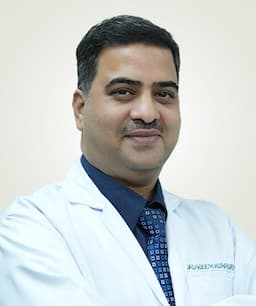
Dr. Aseem K. Samar is a leading Medical Oncologist in Jaipur with expertise in treating solid tumors and blood cancers through advanced therapies like chemotherapy, immunotherapy, and targeted treatment. He specializes in personalized cancer care for breast, lung, gastrointestinal, and hematological cancers.
Similar Oncology Blogs
Book Your Appointment TODAY
© 2024 RBH Jaipur. All Rights Reserved.


