
Bladder cancer starts in the lining of your bladder and can spread if it isn’t treated. The most common sign is blood in your pee. Treatment depends on whether the cancer is limited to the lining, has reached the bladder muscle wall or has spread to other parts of the body.
At the CK Birla Hospitals, Jaipur, our specialists assess your condition and recommend treatment based on the type and stage of bladder cancer. Early diagnosis helps you start treatment at the right time.
Bladder cancer develops when cells in your bladder grow abnormally and form a tumour. Your bladder is a hollow organ that stores urine before you pass it out of your body.
Most bladder cancers start in the cells lining the inside of the bladder. Some tumours remain in this lining, while others grow into the deeper layers of the bladder wall. In advanced cases, cancer can spread to nearby tissues, lymph nodes or other organs.
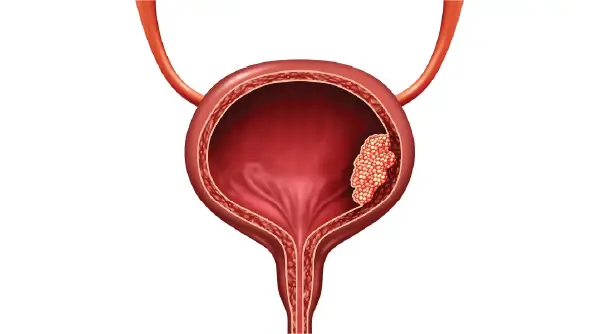
The exact cause of bladder tumours may not always be clear. However, certain factors can increase your risk of developing bladder cancer.
Common bladder cancer risk factors include:
Smoking: Chemicals in tobacco enter your bloodstream and reach your bladder through urine.
Increasing age: Bladder cancer is more common in older adults.
Chemical exposure: Contact with certain industrial chemicals can increase your risk.
Chronic bladder irritation: Long-term bladder irritation and certain urinary conditions may contribute to the risk.
Previous cancer treatment: Some chemotherapy medicines and radiation treatments can increase the risk of bladder cancer.
Having these risk factors does not mean you will develop bladder cancer.
Blood in your urine is the most common warning sign of bladder cancer. Your urine may look pink, red or dark brown. Sometimes, blood is visible only during a urine test.
Other symptoms include:
Passing urine more often than usual.
Feeling an urgent need to pee, even when your bladder is not full.
Pain or burning while passing urine.
Pain in your lower abdomen or back.
Difficulty passing urine.
Unexplained tiredness or weight loss in advanced cases.
These symptoms can also occur due to urinary tract infections, kidney stones and other conditions. However, you should not ignore blood in your urine, even if it happens only once or causes no pain. Consult a doctor to find the cause.
Your doctor will ask about your symptoms, medical history and risk factors. They may recommend the following tests to confirm the diagnosis and check whether the cancer has spread.
Urine tests: A urine sample is checked for blood or abnormal cells. These tests alone cannot confirm bladder cancer.
Cystoscopy: A thin tube with a camera is passed through your urethra to examine the inside of your bladder.
Biopsy: A tissue sample is examined under a microscope to check for cancer cells.
Transurethral resection of bladder tumour (TURBT): The doctor removes visible tumour tissue through the urethra. The sample helps confirm the diagnosis and determine how deeply the cancer has grown.
Imaging tests: CT scans or MRI may be used to assess the bladder and check for cancer spread.
Your doctor uses these results to determine the stage and grade of the cancer. This helps guide your treatment plan.
Bladder cancer treatment depends on the tumour's size, stage and grade. Your age, general health and preferences also help determine the right approach.
Stage 1 bladder cancer has grown into the tissue beneath the bladder lining but has not reached the muscle layer.
Treatment usually starts with TURBT to remove the tumour. Your doctor may also recommend chemotherapy or BCG immunotherapy delivered directly into the bladder. These treatments help destroy remaining cancer cells and reduce the risk of recurrence.
Regular follow-up tests are important because bladder cancer can return even after successful treatment.
Chemotherapy uses medicines to kill cancer cells or stop them from growing. It can be given directly into the bladder or through a vein.
Chemotherapy placed directly into the bladder is commonly used for certain early-stage cancers. For cancer that has reached the muscle layer or spread beyond the bladder, chemotherapy given through a vein may be recommended. It may be used before surgery or alongside other treatments.
Immunotherapy helps your immune system recognise and fight cancer cells. One option is BCG therapy, which is placed directly into the bladder to treat certain early-stage cancers.
Other immunotherapy medicines may be recommended for selected advanced bladder cancers, depending on the patient's condition and previous treatment.
Radiation therapy uses high-energy rays to destroy cancer cells. It may be combined with chemotherapy to treat some muscle-invasive bladder cancers while preserving the bladder.
Your doctor will explain whether this approach is suitable for you.
Age alone does not determine which treatment you can receive. Your doctor will consider your general health, kidney function, other medical conditions and ability to manage treatment side effects.
Depending on these factors, treatment may include surgery, bladder-directed medicines, chemotherapy, immunotherapy or radiation therapy. The aim is to control the cancer while maintaining your quality of life.
Surgery is an important part of bladder tumour treatment. The type of procedure depends on how deeply the tumour has grown and whether the cancer has spread.
Common surgical options include:
Transurethral resection of bladder tumour (TURBT): A thin instrument is passed through the urethra to remove the tumour. No cut is made in the abdomen. This procedure is commonly used for early-stage bladder cancer.
Partial cystectomy: The surgeon removes the part of the bladder containing the tumour. This option is suitable only for selected patients.
Radical cystectomy: The surgeon removes the entire bladder when the cancer is more advanced or has a high risk of progressing. Nearby lymph nodes and certain surrounding organs or tissues may also need to be removed.
If your bladder is removed, your surgeon will create a new way for urine to leave your body. This is called urinary diversion.
After surgery, you may need additional treatment to reduce the risk of cancer returning. Regular follow-up visits help monitor your recovery and check for recurrence.
Choosing the right hospital helps you understand your diagnosis and treatment options. At the CK Birla Hospitals, Jaipur, our team can assess your symptoms and help guide the next steps in your care.
You can expect:
Specialist evaluation: Our medical team reviews your symptoms, test results and overall health before discussing treatment options.
Diagnostic support: Appropriate investigations help identify the type and stage of bladder cancer.
Treatment planning: Your treatment plan considers the stage of cancer, your health and the available treatment options.
Coordinated care: Specialists can work together to plan treatment and support your recovery.
Follow-up care: Regular reviews help monitor your progress and check for signs of cancer returning.
If you notice blood in your urine or have persistent urinary symptoms, consult a doctor. Early assessment can help identify the cause and guide timely treatment.
Yes, many bladder cancers can be treated successfully, particularly when found early. The chances of a cure depend on the stage, grade and response to treatment. Advanced bladder cancer can be harder to cure, but treatment may help control it.
Smoking is the most important risk factor. Other factors include increasing age, exposure to certain industrial chemicals, chronic bladder irritation and previous treatment with certain cancer medicines or radiation.
No. Blood in your urine can occur due to urinary tract infections, kidney stones and other conditions. However, it is a common warning sign of bladder cancer and should be checked by a doctor, even if it happens only once.
Yes. Bladder cancer can spread to nearby lymph nodes and distant organs, such as the lungs, liver and bones. The risk depends on the stage and type of cancer.
Untreated bladder cancer may grow deeper into the bladder wall and spread to other parts of the body. This can make treatment more difficult and cause symptoms such as pain, bleeding and difficulty passing urine.
Yes. Many early-stage bladder cancers can be treated with TURBT, chemotherapy or BCG therapy without removing the entire bladder. Some muscle-invasive cancers may also be treated with chemotherapy and radiation therapy to preserve the bladder. The right approach depends on your diagnosis and overall health.
© 2024 RBH Jaipur. All Rights Reserved.


