
Uterine cancer develops in the uterus and mainly includes endometrial cancer and uterine sarcoma. Abnormal vaginal bleeding, especially between periods or after menopause, is a common symptom. Treatment depends on the type and stage of cancer and may include surgery, radiation therapy, chemotherapy or other treatments.
At the CK Birla Hospitals, Jaipur, our multidisciplinary cancer team provides comprehensive care based on your condition and treatment needs.
Uterine cancer is cancer that develops in the uterus, the organ where a pregnancy develops. Most uterine cancers begin in the endometrium, the inner lining of the uterus.
Uterine cancer is different from cervical cancer. Cervical cancer starts in the cervix, the lower part of the uterus.
The type of cancer is important because different types may behave differently and require different treatments. Our experts will also assess the grade and stage of the cancer before recommending a treatment plan.
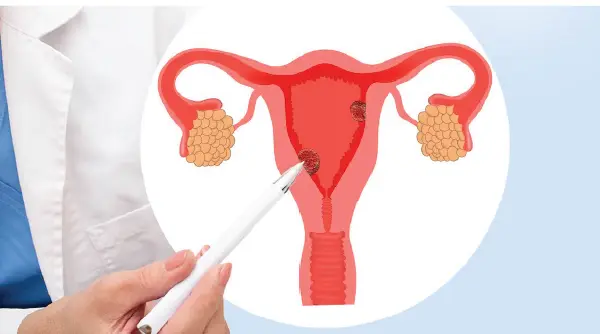
The two main types of uterine cancer are:
Endometrial cancer can also have different subtypes and grades. Your pathology report helps our experts understand the cancer and choose the most appropriate treatment.
Abnormal vaginal bleeding is a common sign of uterine cancer.
You may experience:
If you have vaginal bleeding after menopause, you should get it checked, even if it happens only once.
Our experts may begin by reviewing your medical history and performing a physical and pelvic examination. Depending on your symptoms, you may need imaging and other tests.
Common tests include:
A biopsy is important because it can confirm whether cancer is present and help identify its type and other characteristics.
Your treatment is not decided by the stage alone. Our experts may consider:
This is why the stage and other characteristics of uterine cancer are considered together when planning treatment. Two patients with the same stage may not always need the same treatment.
In Stage 1, the cancer is generally limited to the uterus, although the exact definition depends on the type and characteristics of the cancer.
For many patients with Stage 1 endometrial cancer, treatment commonly involves surgery to remove the uterus and cervix. Depending on your cancer and treatment plan, the ovaries, fallopian tubes or selected lymph nodes may also be removed.
Some patients may need radiation therapy after surgery.
In Stage 2 endometrial cancer, the cancer has spread from the uterus to the cervix or nearby cervical tissue but has not spread to distant parts of the body.
Stage 2 uterine cancer treatment may include surgery followed by radiation therapy, chemotherapy or a combination of treatments. The choice depends on your cancer type, grade and other risk factors.
Stage 3 means the cancer has spread beyond the uterus to nearby tissues, structures or lymph nodes. Stage 4 indicates more extensive spread, which may involve the bladder or bowel lining or distant parts of the body.
Treatment may include surgery, chemotherapy, radiation therapy, hormonal therapy, targeted therapy or immunotherapy. Your treatment plan depends on where the cancer has spread, its characteristics and your overall health.
Your treatment may involve one or a combination of the following options:
Radiation therapy for uterine cancer uses high-energy radiation to destroy cancer cells or stop them from growing.
At CK Birla Hospitals, Jaipur, we offer AI-powered Adaptive Radiation Therapy using Elekta Evo and Image-Guided Radiation Therapy (IGRT). Daily imaging helps our radiation oncology team assess changes in your anatomy and adapt the treatment plan when required. Every AI-assisted recommendation is reviewed and approved by a radiation oncologist.
In selected cases, particularly certain early-stage endometrial cancers, treatment may be possible without removing the uterus. Radiation therapy may be considered when surgery is not suitable. Carefully selected younger patients with certain early, hormone-sensitive endometrial cancers may also be considered for fertility-preserving hormonal therapy.
These options are not suitable for everyone. Your cancer type, stage, grade and treatment goals need to be assessed before choosing this approach.
Your recovery depends on the treatment you receive.
Uterine cancer can come back after treatment, particularly when the cancer has high-risk features. Your follow-up schedule will depend on your individual diagnosis and treatment.
There are no proven alternative treatments for uterine cancer that can replace standard cancer treatment.
However, supportive care can help you manage the physical and emotional effects of cancer and its treatment. This may include:
At CK Birla Hospitals, Jaipur, our supportive care services are designed to help you throughout and after your cancer treatment.
At CK Birla Hospitals, Jaipur, we bring different cancer specialists together to plan your care. Our approach covers diagnosis, treatment, recovery and follow-up.
Most uterine cancers are not hereditary. However, some inherited conditions, such as Lynch syndrome, can increase the risk of endometrial cancer. Our experts may recommend genetic counselling or testing if your personal or family history suggests an inherited risk.
Our experts may recommend a pelvic examination, transvaginal ultrasound, endometrial biopsy, hysteroscopy or D&C. CT or MRI may also be used to assess the extent of the cancer.
A biopsy provides a tissue sample that can be examined under a microscope. It helps confirm cancer and provides information about its type and characteristics.
In selected cases, yes. Radiation or fertility-preserving hormonal therapy may be considered depending on your cancer. These options require careful specialist assessment.
Yes. Uterine cancer can recur after treatment. The risk depends on factors such as the type, stage, grade and other characteristics of the cancer. Regular follow-up helps monitor your health after treatment.
The treatment is based mainly on your cancer type, stage and other characteristics rather than menopause alone. However, any vaginal bleeding after menopause should be evaluated because it can be a sign of uterine cancer.
© 2024 RBH Jaipur. All Rights Reserved.


