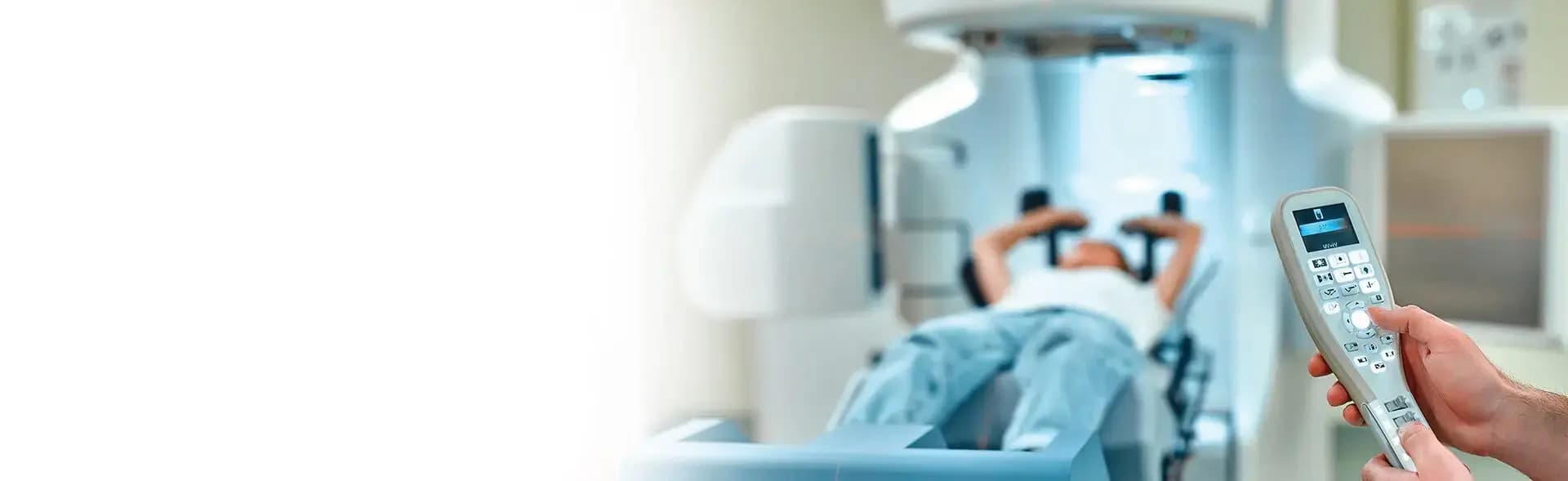
External beam radiation therapy (EBRT) is a common type of radiation treatment used to treat many forms of cancer. It delivers focused radiation beams to a tumour from outside the body to destroy cancer cells or stop them from growing.
Treatment is carefully planned to target the tumour while protecting nearby healthy tissue as much as possible. At the CK Birla Hospitals, Jaipur, patients receive personalised radiation therapy planned by a multidisciplinary cancer care team.
External beam radiation therapy is the most common form of radiation treatment used for cancer. During treatment, a machine delivers carefully controlled radiation beams to a specific area of the body.
The machine does not touch you. Instead, it sends radiation to the tumour from outside the body. The goal is to destroy cancer cells while limiting damage to surrounding healthy tissues.
Doctors may recommend external beam radiation therapy for cancer as a primary treatment or alongside surgery, chemotherapy, immunotherapy, or other cancer treatments.
EBRT may be used to:
The treatment plan depends on the type of cancer, its location, and the goals of treatment.

EBRT uses high-energy radiation that damages the DNA inside cancer cells. When cancer cells can no longer repair this damage, they stop growing and eventually die.
Before treatment begins, doctors use imaging tests such as CT scans, MRI scans, or PET scans to identify the exact location of the tumour. These images help the radiation oncology team plan treatment and determine the safest way to deliver radiation.
The goal is to target the tumour while reducing exposure to nearby healthy tissues.
Radiation does not destroy cancer cells immediately. Treatment is usually delivered over multiple sessions, allowing healthy tissues time to recover between treatments while cancer cells continue to be affected by radiation.
External beam radiation therapy is used to treat many different types of cancer. It may be used alone or as part of a broader treatment plan. Doctors may recommend EBRT therapy for:
EBRT may also be used to help relieve pain and other symptoms caused by cancer that has spread to the bones or other parts of the body.
Several types of external beam radiation therapy are available. The treatment team selects the most appropriate approach based on the tumour's size, location, and treatment goals.
Modern radiation therapy uses advanced imaging and treatment planning technologies to improve treatment accuracy. These technologies help doctors:
By improving precision, these techniques help ensure radiation reaches the intended treatment area while protecting surrounding structures as much as possible.
Knowing what to expect can help you feel more prepared before starting treatment.
Before your first treatment session, you will attend a planning appointment called a simulation. During this appointment:
The information collected during simulation helps the radiation oncology team create your personalised treatment plan.
EBRT is usually performed as an outpatient procedure, which means you can return home the same day. During each session:
The radiation itself is usually delivered within a few minutes, although positioning and preparation may take longer.
Most people return home shortly after treatment.
Some people continue their normal daily activities during treatment, while others may need extra rest. Recovery varies from person to person and depends on the treatment area, radiation dose, and overall health.
Your care team will monitor your progress throughout treatment and answer any questions you may have.
Like all cancer treatments, EBRT may cause side effects. Side effects occur because some healthy cells near the treatment area can also be affected by radiation.
External beam radiation therapy side effects vary depending on the treatment area and the radiation dose. Common side effects may include:
Some side effects depend on the area being treated and may include:
Everyone responds differently to treatment. Your healthcare team can recommend ways to manage symptoms and improve comfort during treatment.
Your treatment team will provide instructions based on your individual treatment plan. General external beam radiation therapy precautions may include:
These steps can help support recovery and reduce treatment-related discomfort.
CK Birla Hospitals, Jaipur, provides radiation therapy as part of a comprehensive cancer care programme.
No. EBRT is a painless procedure. You will not feel the radiation as it is being delivered. Some patients may hear sounds from the machine during treatment, but the treatment itself does not hurt.
The number of sessions depends on the type of cancer, the treatment goal, and the radiation dose. Some patients receive treatment over a few days, while others may require daily sessions for several weeks.
Common side effects may include fatigue, skin irritation, nausea, loss of appetite, and tenderness in the treatment area. Side effects vary depending on the treatment site and individual response.
Modern EBRT techniques are designed to target tumours as accurately as possible while reducing radiation exposure to nearby healthy tissues. Treatment is carefully planned to balance effectiveness and safety.
Yes. EBRT is often combined with surgery, chemotherapy, immunotherapy, or other cancer treatments depending on the type and stage of cancer.
© 2024 RBH Jaipur. All Rights Reserved.


