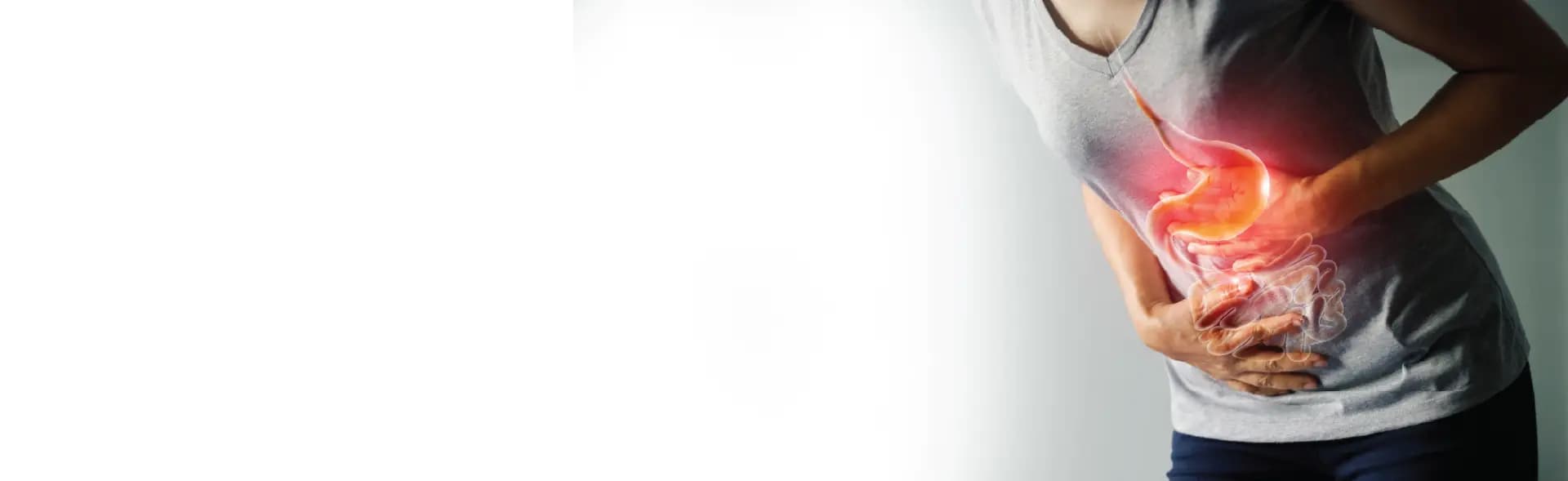
Stomach cancer, also called gastric cancer, starts when abnormal cells grow in the stomach lining. These cells may grow deeper into the stomach wall and spread to nearby lymph nodes or other organs. Treatment depends on the cancer stage, its location and your overall health.
Stomach cancer can develop in different parts of the stomach. It usually starts in the inner lining and may grow into deeper layers as the cancer develops. Early stomach cancer may not cause noticeable symptoms. As it progresses, you may have:
If your doctor suspects stomach cancer, you may need an upper GI endoscopy. During this test, a thin tube with a camera is passed through your mouth to examine your stomach. Your doctor may also take a biopsy from an abnormal area to check for cancer cells.
Your doctor may also recommend CT, PET or MRI scans to see if the cancer has spread. These tests, along with the biopsy, help determine the stage of the cancer and guide your treatment.
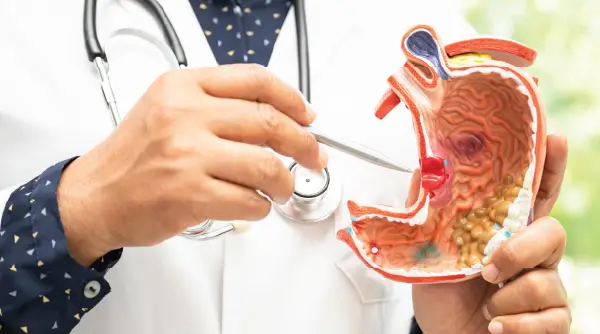
The treatment for stomach cancer is different for each person. Depending on your condition, treatment may include surgery, chemotherapy, radiation therapy, targeted therapy or immunotherapy. Sometimes, more than one treatment is used.
Some very early stomach cancers can be removed through an endoscope without removing part of the stomach. This may be suitable when the cancer is small and has not grown deeply into the stomach wall.
Surgery may be recommended when the tumour can be removed. The type of surgery depends on where the cancer is and how much of the stomach is affected.
Nearby lymph nodes may also be removed during surgery to check if cancer cells have spread. Gastrectomy and removal of nearby lymph nodes are common parts of surgical treatment for stomach cancer.
Chemotherapy uses medicines to kill cancer cells or slow their growth. It may be given before surgery to shrink the tumour or after surgery to reduce the risk of the cancer coming back. Chemotherapy may also be used when stomach cancer has spread to other parts of the body.
Radiation therapy uses high-energy radiation to kill cancer cells or stop them from growing. It may be combined with chemotherapy and used before or after surgery in selected patients.
For advanced stomach cancer, radiation therapy may also help relieve symptoms such as pain, bleeding or blockage.
Some stomach cancers have specific changes that can help doctors choose a treatment. Your doctor may recommend biomarker testing, such as testing for HER2 or PD-L1.
Targeted therapy works on specific features of cancer cells. Immunotherapy helps your immune system recognise and attack cancer cells. These treatments may be considered for certain advanced or recurrent stomach cancers.
The stage of stomach cancer tells your doctor how deeply the cancer has grown and whether it has spread. Your treatment is planned based on the stage and other factors related to your cancer.
|
Stage |
Common treatment approach |
|
Stage 0 |
Endoscopic removal or surgery may be recommended for selected cancers. |
|
Stage 1 |
Surgery is often the main treatment. Chemotherapy may also be recommended in some cases. |
|
Stage 2 |
Treatment may include chemotherapy before or after surgery. Surgery is often an important part of treatment. |
|
Stage 3 |
Chemotherapy and surgery may be used together. Radiation therapy may be considered in selected cases. |
|
Stage 4 |
Treatment mainly focuses on controlling the cancer, relieving symptoms and maintaining quality of life. Medicines such as chemotherapy, targeted therapy or immunotherapy may be used. |
For stage 2 stomach cancer, your cancer team may recommend chemotherapy along with surgery because the cancer has a higher risk of coming back. Treatment for stage 2 and stage 3 stomach cancer commonly includes surgery along with chemotherapy before or after surgery.
Stage 4 stomach cancer is treated differently because the cancer has spread to distant parts of the body. Treatment usually focuses on controlling the cancer and managing symptoms. Medicines such as chemotherapy, targeted therapy or immunotherapy may be used. Surgery or radiation therapy may sometimes help relieve problems such as bleeding or blockage.
If you are looking for information about the stage 4 stomach cancer life expectancy without treatment, there is no single number that applies to everyone. Survival can vary based on where the cancer has spread, tumour characteristics, your overall health and how the cancer responds to treatment. Your oncologist can explain what these factors may mean for you.
Your treatment may take several months, particularly if chemotherapy is planned before or after surgery. The exact duration depends on your treatment plan and how your cancer responds.
If you have a gastrectomy, your eating habits may need to change during recovery. You may need smaller meals more often because your stomach capacity has changed. A dietitian can help you choose foods that meet your nutritional needs.
You may also need regular follow-up visits and tests after treatment. These appointments help your doctors monitor your recovery and check for signs of the cancer coming back.
Your cancer team can also help manage treatment-related problems such as nausea, loss of appetite, weight loss and fatigue.
You should see a gastroenterologist if you have persistent digestive symptoms such as ongoing stomach pain, repeated vomiting, difficulty swallowing, unexplained weight loss or blood in your vomit or stools.
If tests confirm stomach cancer, an oncologist can assess your condition and discuss the next steps. Depending on your treatment, your care may involve gastroenterologists, surgeons, medical oncologists, radiation oncologists, radiologists and dietitians.
At the CK Birla Hospitals, Jaipur, we provide stomach cancer treatment based on your diagnosis, cancer stage and individual needs. Our specialists work together to assess your condition and plan your treatment.
Our cancer care approach includes:
Our team explains your diagnosis and treatment options clearly so that you know what to expect during your care.
Early stomach cancer may not cause clear symptoms. Some people may experience indigestion, stomach discomfort, loss of appetite, feeling full quickly, nausea or unexplained weight loss.
Yes. Helicobacter pylori (H. pylori) infection is linked to an increased risk of stomach cancer. If you have an H. pylori infection, your doctor can recommend appropriate testing and treatment.
No. Some very early stomach cancers can be removed through an endoscope. In advanced cancer, treatment may focus on chemotherapy, targeted therapy or immunotherapy. Surgery depends on the stage, location and extent of the cancer.
Your diet depends on your treatment, symptoms and whether you have had stomach surgery. You may need smaller, frequent meals and enough protein and fluids. A dietitian can help create a diet plan based on your nutritional needs.
There is no fixed treatment duration. It depends on the stage of cancer and whether you need surgery, chemotherapy, radiation therapy or other treatments. Your doctor can explain your expected treatment timeline after reviewing your test results.
© 2024 RBH Jaipur. All Rights Reserved.


