
A liquid biopsy is a minimally invasive test that looks for cancer-related material in the bloodstream. It can detect cancer cells or small fragments of genetic material released by tumours. The test helps doctors identify specific genetic changes in cancer, monitor how well treatment is working and detect whether the cancer has returned.
At the CK Birla Hospitals, Jaipur, we offer advanced cancer diagnostic services, including liquid biopsy tests, to support personalised cancer care. Our specialists use the latest diagnostic techniques to help patients receive timely, accurate and targeted treatment.
A liquid biopsy is a test that examines a blood sample to look for signs of cancer. Unlike a traditional biopsy, it does not involve removing a piece of tissue from a tumour.
During a liquid biopsy, a small blood sample is collected and sent to a laboratory for analysis. Specialists examine the sample to look for these cancer-related materials and identify specific genetic changes linked to the tumour.
The information from the test can help doctors:
A liquid biopsy is not a replacement for every tissue biopsy. However, it can provide valuable information in many situations and may reduce the need for repeated invasive procedures.
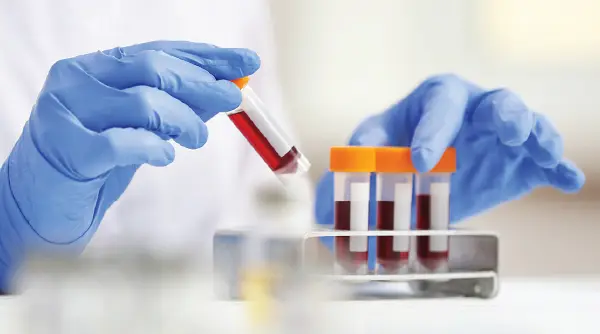
Our experts may recommend a liquid biopsy for certain types of cancer. We may also use this test when we need more information about your cancer to guide treatment decisions.
A liquid biopsy may be recommended if:
Not everyone with cancer needs a liquid biopsy. Our specialists will recommend the test based on your type of cancer, symptoms and overall treatment plan.
A liquid biopsy has become an important tool in the diagnosis and management of several types of cancer. It is commonly used in the diagnosis and management of:
In some cancers, a liquid biopsy can help identify specific genetic mutations that may make you eligible for targeted therapies. Research in this field is growing rapidly, and the role of liquid biopsy in cancer care continues to expand.
A liquid biopsy is a simple procedure and usually takes only a few minutes.
Our specialists will review your medical history, diagnosis and treatment plan to determine whether a liquid biopsy is appropriate for you.
We will collect a small sample of blood from a vein in your arm, similar to a routine blood test.
The blood sample is sent to a specialised laboratory. Advanced laboratory techniques are used to look for circulating tumour DNA (ctDNA) or circulating tumour cells (CTCs) in the blood.
The results may show:
Our specialists will explain your liquid biopsy results and discuss what they mean for your treatment and ongoing care.
Both tests play important roles in cancer care. A tissue biopsy involves removing a small sample of tissue directly from the tumour. It remains the standard method for diagnosing many cancers.
A liquid biopsy uses a blood sample to look for cancer-related genetic material and, in some cases, circulating tumour cells.
Compared with a tissue biopsy, a liquid biopsy may:
In some cases, our specialists may recommend both tests to gain a more complete understanding of your cancer.
A liquid biopsy offers several benefits for both patients and doctors.
Our team includes experienced oncologists, pathologists and cancer specialists who provide personalised and evidence-based care.
We use modern diagnostic techniques and advanced laboratory support to help deliver accurate and timely results.
From diagnosis and genetic testing to treatment and follow-up, we provide complete cancer care under one roof.
The information from a liquid biopsy can help our specialists develop treatment plans tailored to your specific cancer and genetic profile.
We understand that a cancer diagnosis can be overwhelming. Our team works closely with you, explains every step of the process and supports you throughout your treatment journey.
If you have been diagnosed with cancer or your doctor has recommended advanced genetic testing, consult our specialists for a liquid biopsy in Jaipur. Early and accurate information can play an important role in making informed treatment decisions and improving cancer care.
A liquid biopsy is less invasive and can provide valuable information about certain cancers. However, it does not replace a tissue biopsy in all situations, and both tests may be used together.
A liquid biopsy may not detect all cancers, especially in their early stages or when very little tumour DNA is present in the blood. It may also need to be combined with other tests for an accurate diagnosis.
A liquid biopsy can detect some cancers at an early stage, but its effectiveness varies depending on the type and stage of cancer. Research is ongoing to improve its use in early cancer detection.
The time to receive results can vary, but most liquid biopsy reports are available within a few days to two weeks, depending on the type of test and laboratory.
Fasting is usually not required before a liquid biopsy. However, your doctor may give you specific instructions based on your condition and the tests being performed.
A liquid biopsy is generally safe and carries minimal risks. You may experience mild pain, bruising or slight discomfort at the blood draw site, which usually resolves quickly.
© 2024 RBH Jaipur. All Rights Reserved.


