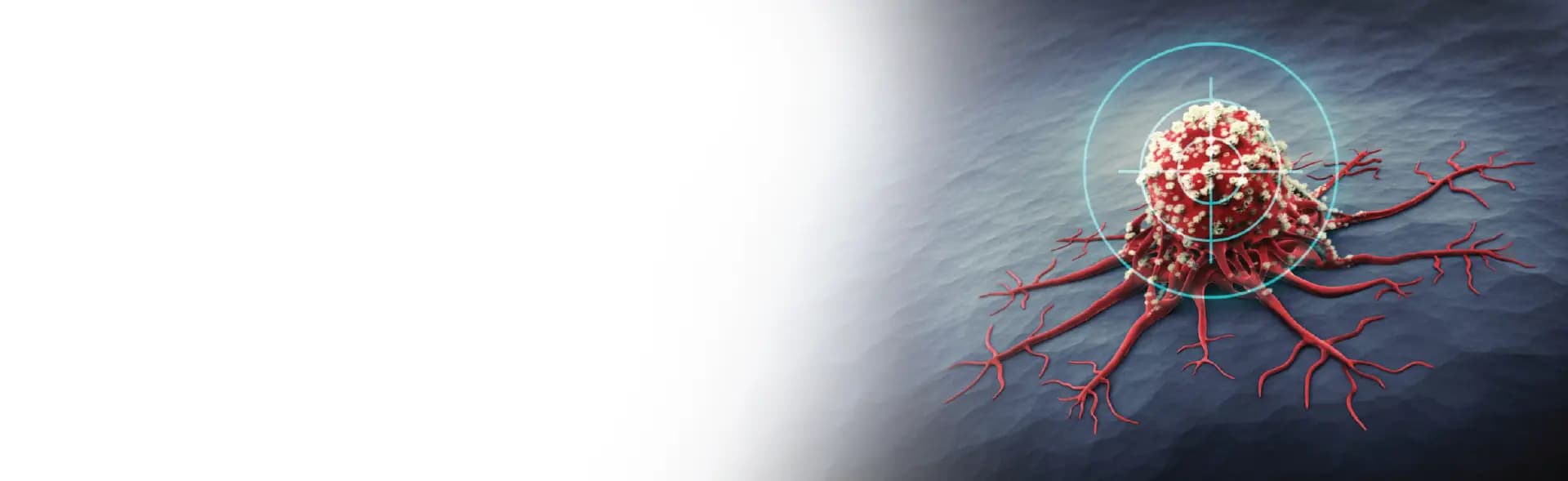
Targeted therapy is a type of cancer treatment. It targets specific genes, proteins or other molecules that help cancer cells grow and spread. Unlike chemotherapy, it acts more precisely on cancer cells, helping limit damage to many healthy cells. It may be used on its own or along with other cancer treatments.
At the CK Birla Hospitals, Jaipur, our oncology specialists use advanced diagnostic testing to determine whether targeted therapy is the right option for you. Based on your cancer's genetic profile, we create a personalised treatment plan to help you receive the most appropriate care.
Targeted therapy is a type of cancer treatment that targets specific genetic changes, proteins or other molecules that help cancer cells grow and spread. Unlike traditional cancer treatments, it is designed to act more precisely on cancer cells while limiting damage to many healthy cells.
Before starting treatment, our oncologists identify genetic changes, also called mutations, or other biomarkers in your cancer cells. They then choose targeted medicines that act on these specific changes. Because the treatment is selected based on the unique characteristics of your cancer, targeted therapy is considered a type of precision medicine.
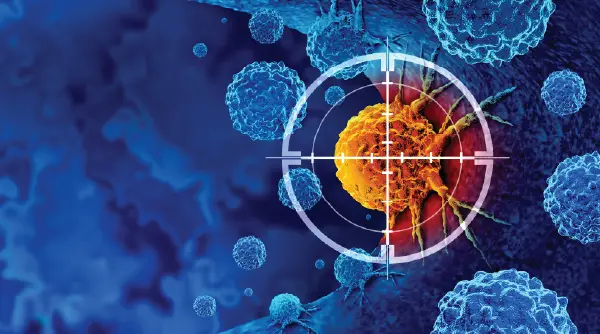
Cancer begins when healthy cells develop changes in their genes. These changes, known as mutations, can cause cells to grow uncontrollably and form tumours. Some of these mutations cause cancer cells to produce abnormal proteins or send signals that help them survive and multiply.
Targeted therapy works by blocking these signals or targeting the proteins that cancer cells rely on. Without these signals, cancer cells may stop growing, stop dividing or die.
Depending on the type of cancer and the medicine used, targeted therapy may work in different ways. It can:
Targeted therapy is available in different forms. Some medicines are taken as tablets or capsules, while others are given through injections or intravenous (IV) infusions.
Targeted therapy is used to treat many cancers. However, it is only effective when the cancer has certain genetic changes or proteins that can be targeted by specific medicines. Your doctor may recommend targeted therapy for cancers such as:
For some patients, targeted therapy is the main treatment. For others, it may be combined with chemotherapy, immunotherapy, hormone therapy, radiation therapy or surgery to improve treatment outcomes.
Targeted therapy has changed the way many cancers are treated. For patients whose cancer is suitable for targeted therapy, this treatment can offer several benefits.
Targeted therapy is not suitable for every patient. Before recommending treatment, your oncologist needs to determine whether your cancer has specific genetic changes, biomarkers or proteins that can be targeted with medicine.
You may be a candidate for targeted therapy if:
Targeted therapy attacks specific genes or proteins that help cancer cells grow, while chemotherapy affects all rapidly dividing cells, including some healthy ones.
Targeted therapy is used for several cancers, including breast, lung, colorectal, ovarian, kidney and certain blood cancers, if they have specific genetic changes.
It depends on the type of cancer and its genetic profile. For cancers with treatable targets, targeted therapy may be more effective and is often used alone or with other treatments.
The duration varies depending on the type of cancer, the medicine used and how well the treatment is working. Your oncologist will decide the treatment plan based on your progress.
Targeted therapy can help control or shrink certain cancers, but whether it can cure cancer depends on the type and stage of the disease.
In most cases, yes. Biomarker or genetic testing helps identify whether your cancer has specific changes that can be treated with targeted therapy.
© 2024 RBH Jaipur. All Rights Reserved.


