
Ovarian cancer is a type of cancer that starts in the ovaries, the organs that produce eggs and hormones. It can be difficult to detect in its early stages because the symptoms may be mild or similar to common digestive or menstrual problems. As the cancer progresses, symptoms such as persistent bloating, abdominal or pelvic pain, feeling full quickly, changes in bowel habits and unexplained weight loss may become more noticeable.
At the CK Birla Hospitals, Kolkata, we provide personalised ovarian cancer treatment based on the type and stage of cancer, overall health and individual treatment needs. Our cancer care involves a multidisciplinary team that may include surgical oncologists, medical oncologists, gynaecological cancer specialists, radiologists, pathologists and other specialists.
Ovarian cancer develops when abnormal cells in or around the ovaries begin to grow uncontrollably. These cells can form a tumour and may spread to nearby tissues or other parts of the abdomen.
There are different types of ovarian cancer. The most common is epithelial ovarian cancer, which develops from the cells covering the ovary. Other, less common types include germ cell tumours and stromal cell tumours. Treatment can differ depending on the type of cancer.
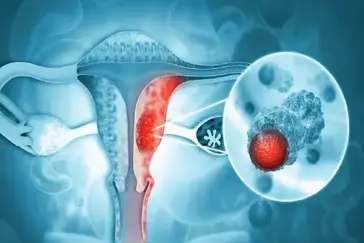
Ovarian cancer symptoms and treatment can vary from one person to another. Some common symptoms include:
These symptoms can also occur with conditions that are not cancer. However, if they are persistent, unusual for you or getting worse, we recommend consulting a doctor for an evaluation.
There is no routine screening test that can reliably detect ovarian cancer in women who do not have symptoms. When ovarian cancer is suspected, doctors may use several tests to understand the cause of the symptoms and check whether cancer is present.
Ovarian cancer is generally classified into four main stages:
Staging is important because it helps our cancer specialists decide whether surgery, chemotherapy or a combination of treatments is most appropriate.
The best treatment for ovarian cancer depends on several factors, including the cancer type, stage, tumour characteristics, overall health and previous treatment.
Treatment may involve one or more of the following.
Surgery is an important part of treatment for many ovarian cancers. It may have two purposes: staging the cancer and debulking, which means removing as much visible cancer as safely possible.
Depending on the extent of cancer, surgery may involve removal of:
In advanced disease, the surgeon may need to remove cancer that has spread to parts of the abdomen. The exact procedure depends on where the cancer has spread and whether complete or optimal tumour removal is possible.
For some younger patients with selected early-stage tumours, fertility-preserving surgery may be considered. This decision depends on the cancer type, stage and individual circumstances.
Chemotherapy uses medicines to destroy cancer cells or stop them from growing. It is commonly used before or after surgery.
For many epithelial ovarian cancers, chemotherapy includes a platinum-based medicine such as carboplatin along with a taxane such as paclitaxel. Treatment is commonly given in cycles, with a rest period between treatments.
The number of chemotherapy cycles is not the same for every patient. Depending on the type and stage of cancer, treatment may involve around 3 to 6 cycles, although your oncologist will decide the schedule based on your response and overall health.
Stage 3 ovarian cancer treatment usually involves a combination of surgery and chemotherapy.
If the cancer can be safely removed upfront, surgery may be performed to remove as much visible disease as possible, followed by chemotherapy.
In some patients, surgery may not be the best first step. This can happen when the cancer is too extensive for safe or effective initial debulking surgery or when the patient's health makes major surgery unsuitable.
In such cases, chemotherapy may be given first to shrink the cancer. This is called neoadjuvant chemotherapy. If the cancer responds well, surgery may then be performed, followed by additional chemotherapy.
Our team assesses the extent of disease and the patient's overall condition before deciding which approach is more appropriate.
Some ovarian cancers may benefit from targeted medicines. These treatments work on specific features or pathways involved in cancer growth.
Depending on the tumour characteristics and previous treatment, medicines such as bevacizumab or PARP inhibitors may be considered in selected patients. PARP inhibitors include medicines such as olaparib and niraparib.
These treatments are not suitable for everyone. Our oncologists consider genetic and tumour test results along with the patient's treatment history before recommending them.
Immunotherapy helps the immune system recognise and attack cancer cells. It may be considered in selected cases of advanced or recurrent ovarian cancer depending on the cancer's characteristics and available treatment options.
Certain less common ovarian cancers may respond to hormone-based treatment. Hormone therapy may be considered when the cancer has characteristics that make this approach appropriate.
HIPEC, or hyperthermic intraperitoneal chemotherapy, involves delivering heated chemotherapy directly into the abdominal cavity during or around the time of cancer surgery.
It is designed to expose cancer cells within the abdomen to a concentrated chemotherapy treatment after the visible tumour has been removed.
HIPEC is not appropriate for every person with ovarian cancer. Its use depends on factors such as the stage and spread of the disease, the possibility of complete cytoreduction and the patient's overall health. Your surgical oncology team can explain whether this approach may be suitable in your case.
Genetic testing has become an important part of modern ovarian cancer care.
Some ovarian cancers are associated with inherited changes in genes such as BRCA1 and BRCA2. These mutations can influence cancer risk and may also affect treatment decisions.
BRCA testing may include testing for inherited mutations and, where appropriate, testing the tumour itself. Depending on the results, doctors may consider specific treatments such as PARP inhibitors for eligible patients.
Genetic testing can also provide important information for family members. If an inherited mutation is identified, genetic counselling may help relatives understand whether they may also benefit from testing.
Precision medicine aims to move away from a one-treatment-fits-all approach. Instead, treatment is selected according to the cancer's genetic and molecular characteristics, along with the patient's overall health and treatment history.
This is why discussing BRCA testing and other molecular or genetic tests with your cancer team can be an important part of planning ovarian cancer treatment.
At the CK Birla Hospitals, Kolkata, we focus on providing personalised and coordinated care for patients with ovarian cancer. Our approach includes:
If you or your loved one has been diagnosed with ovarian cancer, our oncology team can help you understand the available treatment options and plan the next steps.
Ovarian cancer can be curable in some patients, particularly when it is diagnosed at an early stage and can be completely treated. Advanced ovarian cancer can be more difficult to cure, but treatment can help control the disease, reduce symptoms and extend survival. The outlook depends on factors such as the cancer type, stage, response to treatment and overall health.
Surgery is recommended for many patients with ovarian cancer because it can help confirm the diagnosis, determine the stage and remove visible cancer. In advanced disease, the decision to perform surgery first depends on whether the cancer can be removed safely and effectively. Some patients receive chemotherapy before surgery to shrink the cancer.
HIPEC stands for hyperthermic intraperitoneal chemotherapy. It involves delivering heated chemotherapy directly into the abdomen as part of selected cancer surgery procedures. It is not suitable for every ovarian cancer patient. Your oncologist and surgical team can assess whether it is appropriate based on the extent of disease and your overall health.
BRCA and other genetic testing can provide useful information for many patients with ovarian cancer, particularly because the results may influence treatment decisions and help identify inherited cancer risk. However, the exact testing approach should be decided with your oncologist and, where appropriate, a genetic counsellor.
There is no single number of chemotherapy cycles for every patient. Many patients with epithelial ovarian cancer receive around 3 to 6 cycles, depending on the stage, type of treatment, response to chemotherapy and overall health. Some patients may need a different treatment schedule.
Recovery depends on the type and extent of surgery, your general health and whether other organs were involved. After major ovarian cancer surgery, hospitalisation may last several days, while returning to normal activities can take several weeks. For many patients, usual activities may resume in around 4 to 6 weeks, although recovery can take longer after more extensive surgery.
© 2024 RBH Jaipur. All Rights Reserved.


