
Long-term stress can increase the risk of hypertension by affecting heart function, sleep quality, and lifestyle habits. Managing stress through healthy routines and regular monitoring can support better blood pressure control and overall cardiovascular health.
Stress has become a common part of daily life. Work pressure, financial problems, lack of sleep, family responsibilities, and health concerns can all affect mental well-being. While occasional stress is normal, ongoing stress can have a serious impact on physical health, especially heart health and blood pressure.
Many people often ask, “Does stress cause high blood pressure?” The answer is more complex than a simple yes or no. Stress may not directly cause permanent hypertension in every person, but repeated stress responses and unhealthy lifestyle habits linked to stress can increase the risk of developing high blood pressure over time.
According to cardiologists, understanding the connection between stress and hypertension can help people recognize warning signs early and take proactive steps to protect their heart health.
According to the World Health Organization (WHO), an estimated 1.28 billion adults aged 30–79 years worldwide have hypertension, and nearly half of them are unaware of their condition.
Studies also show that nearly 1 in 3 adults worldwide lives with hypertension, making it one of the most common health conditions globally.
Stress is the body’s natural response to pressure or danger. When a person feels stressed, the body releases stress hormones such as adrenaline and cortisol. These hormones prepare the body for a “fight or flight” response.
During this response:
This short-term increase in blood pressure is normal and usually settles once the stressful situation passes. However, when stress happens repeatedly or continues for a long time, it may affect overall cardiovascular health.
Research shows that chronic stress and hypertension are closely connected because the body remains in a constant state of alertness. Over time, this can place extra pressure on the heart and blood vessels.
Many people wonder whether stress directly causes hypertension. While doctors continue to study this relationship, stress can certainly contribute to high blood pressure due to stress-related physical and emotional changes.
People under constant stress may:
These habits can gradually increase blood pressure and raise the risk of hypertension.
Stress may also worsen existing hypertension in people who already have high blood pressure. Frequent stress episodes can lead to repeated temporary spikes in blood pressure, which may become harmful over time.
Chronic stress and hypertension often develop slowly. Long-term stress can affect the body in many ways that increase cardiovascular strain.
Stress-related high blood pressure may not always cause obvious symptoms. However, some people may notice signs that suggest stress is affecting their health.
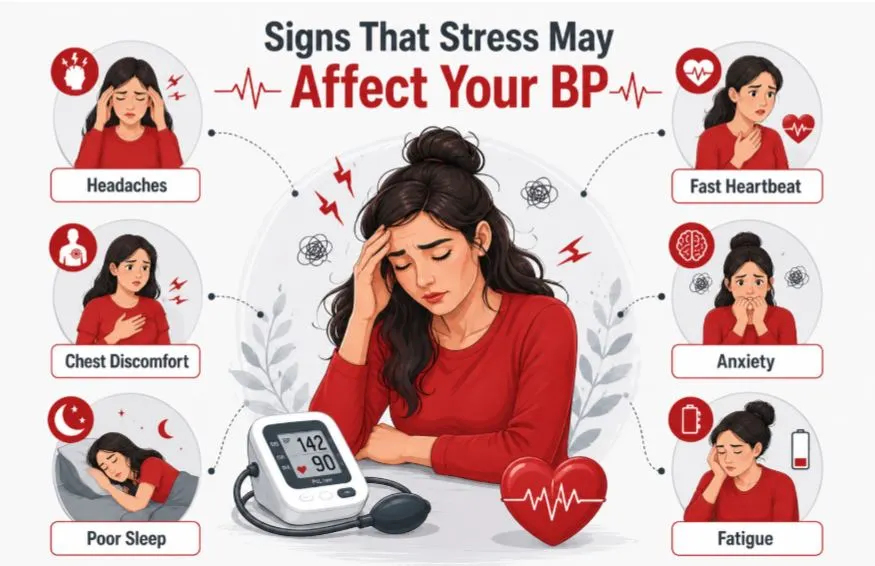
Common signs may include:
Some people may also notice blood pressure readings becoming higher during stressful situations. Because hypertension is often called a “silent condition”, regular blood pressure monitoring is important, especially for people dealing with ongoing stress or anxiety.
Stress not only affects the body directly but can also lead to unhealthy coping habits that worsen blood pressure.
Recognising these habits early is important when learning how to manage hypertension and stress effectively.
Managing stress can help improve overall health and support healthy blood pressure levels. Small lifestyle changes can make a big difference over time.
Occasional stress is normal, but ongoing stress and repeated blood pressure spikes should not be ignored. Seek medical advice if you notice:
A doctor may recommend lifestyle changes, stress management techniques, counselling, or medications if needed. Early treatment can help reduce the risk of serious complications such as heart disease, stroke, and kidney problems.
The connection between stress and hypertension is important for both mental and physical health. While stress may not always directly cause hypertension, long-term stress, anxiety, poor sleep, and unhealthy habits can all increase the risk of high blood pressure over time.
Understanding how stress affects the body, recognising warning signs early, and making healthy lifestyle changes can help improve blood pressure control and overall well-being.
If you often feel overwhelmed or notice symptoms of high blood pressure due to stress, do not ignore them. Proper stress management and regular medical care can help protect your heart and improve your quality of life.
Stress-related high blood pressure can often improve with proper stress management, healthy lifestyle changes, regular exercise, and medical care if needed.
Yes. Long-term stress can increase heart rate, raise blood pressure, and contribute to heart disease over time.
Yes. Meditation and deep breathing exercises may help reduce stress levels and support healthy blood pressure control.
Yes. Poor sleep can increase stress hormones and make it harder for the body to regulate blood pressure properly.
Stress can raise blood pressure within minutes by triggering the body’s “fight or flight” response and releasing stress hormones.
Written and Verified by:

Dr. Nishtha Jain is a Consultant Neurologist with over 10 years of experience in managing a wide range of neurological conditions.
Similar Cardiac Sciences Blogs
Book Your Appointment TODAY
© 2024 RBH Jaipur. All Rights Reserved.


