
Early heart warning signs like chest discomfort, breathlessness, and fatigue are often ignored but can signal serious cardiac issues. Recognising these symptoms early and consulting a cardiologist in time can help prevent life-threatening complications.
A healthy heart is the centre of a healthy life. It pumps blood throughout the body, delivering oxygen and nutrients to every cell. On average, your heart beats 60–100 times a minute — nearly 100,000 beats a day.
According to the World Health Organization (WHO), cardiovascular diseases are the leading cause of death in India, accounting for almost one in four deaths.
Most people associate heart problems with old age, but today, heart issues are becoming increasingly common in younger adults too. Stress, poor lifestyle habits, unhealthy diets, and lack of exercise are silently harming heart health.
Recognising early heart disease symptoms can help you take timely action and prevent serious conditions like heart attacks or heart failure.
Heart issues rarely appear suddenly. Many people experience early symptoms such as tiredness, mild chest discomfort, breathlessness, or dizziness. These symptoms are easy to ignore and often mistaken for acidity, gas, long work hours, or “just stress”.
But ignoring these signs can be dangerous.
A heart attack usually occurs when a blood vessel in the heart becomes blocked. When blood can’t reach the heart muscle, the muscle begins to die. Quick treatment can save your life — but delay can cause permanent damage.
A simple visit to a cardiologist and basic tests like an ECG or an echocardiogram can help detect problems early.
If you notice one or more of these signs, it’s time to consult a cardiologist.
Chest pain is the most common and serious warning sign. It may feel like pressure, tightness, or heaviness in the centre or left side of your chest. Sometimes, the discomfort may radiate to your arm, jaw, or back.
While not all chest pain is heart-related, pain caused by reduced blood flow or blocked arteries needs immediate attention. Never ignore persistent or recurring chest pain.
Do you feel breathless even after light activity like walking or climbing stairs? Shortness of breath occurs when your heart cannot pump enough oxygen-rich blood to your body.
If you experience breathlessness while lying down or even at rest, it could be a sign of heart failure or fluid buildup in the lungs.
High blood pressure (hypertension) is a major risk factor for heart disease. Over time, it damages your arteries, making them stiff and narrow. Consistent readings above 140/90 mmHg should be taken seriously. Uncontrolled blood pressure can lead to stroke, heart attack, or kidney failure.
If you feel like your heart is racing, fluttering, or skipping beats, it could be a sign of arrhythmia. While occasional palpitations are usually harmless, frequent or prolonged irregular rhythms may increase the risk of stroke or cardiac arrest. A cardiologist can perform an ECG to identify the cause.
Do you often feel dizzy or faint without any clear reason? This could happen when your brain isn’t receiving enough oxygen-rich blood due to heart problems. It may also indicate low blood pressure, valve issues, or heart rhythm abnormalities. Never ignore repeated dizziness, especially if it comes with chest pain or fatigue.
Swelling in the legs is a common symptom of heart failure. When the heart doesn’t pump blood effectively, fluid collects in the lower parts of the body.
If your shoes feel tighter by the end of the day or you notice puffiness around your ankles, consult a doctor. Although swelling can also be related to kidney or liver problems, a cardiologist can rule out heart-related causes.
Feeling unusually tired even after resting may indicate that your heart isn’t pumping efficiently. When your heart struggles, your muscles and tissues receive less oxygen, leaving you drained and weak.
Chronic fatigue — especially in women — is often an early warning sign of heart disease and is commonly mistaken for stress or anaemia.
If your parents or siblings have had heart disease or a heart attack, your risk is naturally higher. Family history plays a significant role in conditions like coronary artery disease.
Heart pain doesn’t always appear in the chest. Sometimes, it radiates to the jaw, neck, shoulder, or arm — especially the left arm. This can signal reduced blood flow to the heart or an early heart attack. Women often experience these subtle symptoms more than men.
Unexplained sweating, nausea, or vomiting — especially when combined with chest discomfort or breathlessness — can be early signs of a heart attack. Seek medical help immediately if you experience these symptoms suddenly.
Go to the hospital right away if you experience:
Heart problems often arise due to multiple factors, including:
Even small lifestyle changes can make a big difference in your heart health.
A cardiologist is a heart specialist who diagnoses and treats heart-related conditions. They may perform tests such as:
Based on the results, the doctor may suggest medication, dietary changes, lifestyle improvements, or further treatment.
Your heart works tirelessly every second of your life — take good care of it. Don’t ignore chest discomfort, tiredness, shortness of breath, or any of the warning signs listed above. If you notice anything unusual, visit the best cardiologists in jaipur and get a proper heart checkup.
Most heart problems can be prevented with healthy habits: eating well, exercising regularly, sleeping well, and managing stress. Take care of your heart, and it will take care of you.
A cardiologist reviews your medical history, asks about symptoms, and may perform tests like an ECG or an echocardiogram to assess your heart health.
Heart-related chest pain usually feels like pressure or heaviness and may spread to the arm or jaw. Acidity typically causes a burning feeling that improves with antacids.
Yes. Due to stress, poor lifestyle habits, smoking, and genetics, even young adults can develop heart issues.
Common tests include an ECG, echocardiogram, stress test, blood tests, and sometimes angiography.
Adults over 30 should have a heart checkup every 1–2 years, or more frequently if they have risk factors like high blood pressure or diabetes.
Not always. Stress, caffeine, or anxiety can also cause palpitations, but frequent episodes should be evaluated by a cardiologist.
Smoking, poor diet, lack of exercise, excessive alcohol, and chronic stress all contribute to heart disease.
Yes. Stress and anxiety can cause chest tightness, rapid heartbeat, and shortness of breath that may resemble heart attack symptoms.
Written and Verified by:
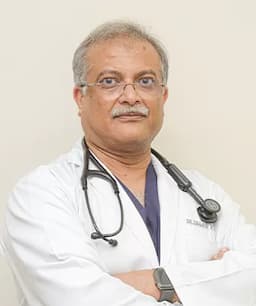
Dr. Sanjeeb Roy is the Director of Cardiology Dept. at CK Birla Hospital (RBH), Jaipur, with over 26 years of experience. He specializes in complex coronary interventions, advanced imaging (IVUS, OCT) and physiology (FFR/NHPR), device implantations, and structural heart and peripheral vascular procedures.
Similar Cardiac Sciences Blogs
Book Your Appointment TODAY
© 2024 RBH Jaipur. All Rights Reserved.


