Rhabdomyolysis: Understanding the Life-Threatening Effects of Muscle Breakdown
Home >Blogs >Rhabdomyolysis: Understanding the Life-Threatening Effects of Muscle Breakdown

Rhabdomyolysis: Understanding the Life-Threatening Effects of Muscle Breakdown

Summary

Rhabdomyolysis is a rare but serious condition where muscles break down rapidly, releasing toxins that can harm the kidneys. Knowing its causes and symptoms can save lives.

The recent news of young cricketer Tilak Varma has made many people curious about rhabdomyolysis. This rare but dangerous condition can affect anyone — not just athletes. Knowing what it is and how to prevent it can help save lives.

What Is Rhabdomyolysis?

Rhabdomyolysis is a serious medical condition that occurs when muscle tissue breaks down very quickly. When muscles are damaged, they release a protein called myoglobin and other harmful substances into the blood. These substances can harm the kidneys, and if not treated in time, the condition can become life-threatening.

In simple terms, it is a situation where too much muscle breakdown happens in a short time, and the body cannot remove the waste properly.

Causes and Risk Factors of Rhabdomyolysis

There are various factors responsible for breakdown, ranging from severe physical injuries to overexertion or certain medical conditions. These causes are generally categorised into two parts: traumatic and non-traumatic.

Traumatic Causes

Traumatic rhabdomyolysis happens when there is a direct injury to the muscles. Physical trauma affects blood flow in the body, which can cause the muscle cells to die quickly.

Here are some common examples:

  • Crush injuries or accidents: Severe injuries — like those from road accidents, building collapses, or heavy objects falling on the body — can crush muscles and cause serious damage.
  • Prolonged immobility: Lying in one position for a long time, such as after fainting, being unconscious, or during long surgeries, can reduce blood flow and harm muscle tissue.
  • Electrical injuries or burns: High-voltage electric shocks or major burns can directly damage muscles.
  • Surgical pressure or complications: In rare cases, long or complicated surgeries may put pressure on muscles and lead to tissue breakdown.

Non-Traumatic Causes

Non-traumatic rhabdomyolysis occurs without any direct injury. It usually happens due to overexertion, dehydration, medicines, or certain health problems.

Here are the main reasons:

  • Excessive exercise or overexertion: Doing intense workouts or sports without proper rest can strain muscles. This is often seen in athletes who suddenly increase their training intensity — a condition known as exertional rhabdomyolysis.
  • Heat and dehydration: Exercising or working in hot weather without drinking enough water can make muscles weak and more likely to break down.
  • Medications and drugs: Some medicines, like cholesterol-lowering drugs (statins), antidepressants, or antipsychotics, can affect muscles. Recreational drugs such as cocaine or amphetamines can also cause damage.
  • Infections and health conditions: Viral or bacterial infections, thyroid problemsdiabetes, or an imbalance of body salts (electrolytes) can increase the risk.
  • Genetic or inherited conditions: Some people are born with muscle or metabolic disorders — like Duchenne muscular dystrophy or McArdle disease — that make their muscles more sensitive to damage.

Why Is Rhabdomyolysis More Common in Athletes and Sportspersons?

Athletes often train hard and push their bodies to perform better. But when workouts become too intense or recovery time is too short, the muscles can get overworked. This overexertion causes muscle fibres to break down faster than the body can repair them, a condition known as exertional rhabdomyolysis.

Training or competing in hot and humid weather adds even more stress. Sweating too much and not drinking enough water can lead to dehydration, making it harder for the body to remove waste from damaged muscles.

Sports at Higher Risk

Rhabdomyolysis can happen in any sport, but it’s more common in activities that involve intense physical effort, repetitive motion, or high heat exposure, such as:

  • Cricketers: Long hours of practice or matches under the sun, especially during summer tournaments, can lead to dehydration and muscle fatigue.
  • Footballers and hockey players: Continuous running, sprinting, and tackling without proper rest or hydration put heavy strain on leg muscles.
  • Runners and marathoners: Endurance events in hot weather often lead to extreme fatigue and overheating.
  • Gym and CrossFit athletes: High-intensity weight training or sudden increases in workout intensity can cause severe muscle breakdown.
  • Military trainees or outdoor workers: Long physical activity in the heat without enough hydration also increases the risk.

Symptoms of Rhabdomyolysis

  • Severe muscle pain.
  • Stiffness in the body, especially arms, legs, or back.
  • Swelling or tenderness in the muscles.
  • Dark or cola-coloured urine, due to myoglobin release.
  • Weakness or tiredness.
  • Fever and nausea.

Complications of Rhabdomyolysis

If rhabdomyolysis is not treated on time, it can lead to serious health complications. Common complications include:

  • Kidney damage or failure: When too much myoglobin enters the bloodstream, it can affect kidney function.
  • Electrolyte imbalance: Sudden changes in minerals, like potassium and calcium, can disturb muscle function as well as heart rhythm.
  • Metabolic acidosis: The body can become too acidic, making it harder for organs to work properly.
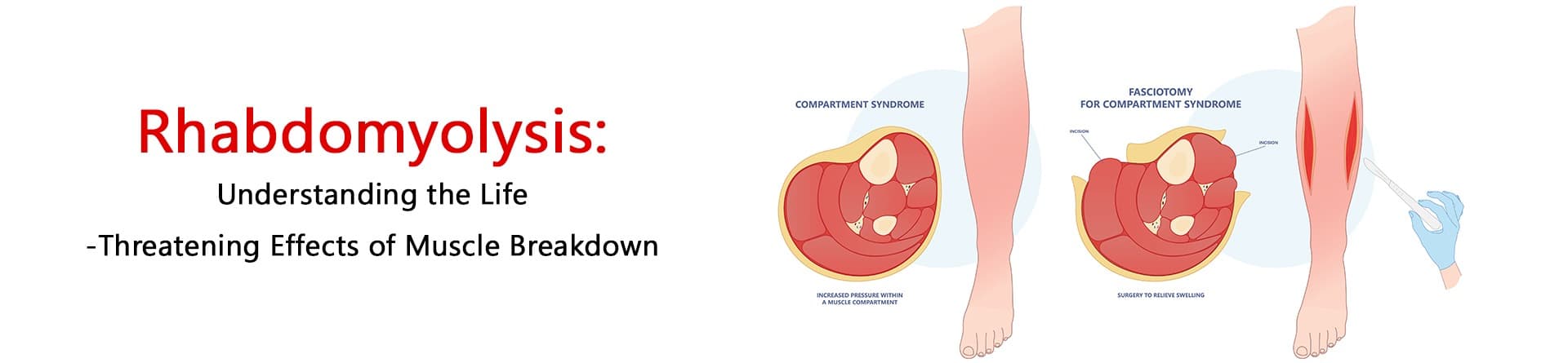
  • Compartment syndrome: Swelling inside the muscles can reduce blood flow, causing severe pain and possible tissue damage.
  • Blood clotting problems: In rare cases, abnormal clotting (called DIC) can occur inside the body.

Diagnosing Rhabdomyolysis

Doctors may perform a thorough physical examination and recommend a few tests if needed. They may ask about your daily routine, exercise habits, medications, or any recent injuries. They may also recommend a urine test to detect myoglobin, a protein released when muscles break down, and blood tests to check the levels of creatine kinase (CK), a key sign of muscle damage.

Sometimes, doctors may also:

  • Take a small muscle sample (biopsy): This helps study your muscle tissue in detail.
  • Recommend genetic testing: If needed, blood tests can check for inherited conditions that make muscle injury more likely.

Treatment and Recovery

The purpose of treatment is to protect the kidneys, remove toxins, and help the muscles heal. Some common treatments include:

  • IV fluids: Fluids given through a vein help flush out harmful substances and support the kidneys.
  • Electrolyte correction: Doctors ensure your blood minerals stay balanced.
  • Physiotherapy: Once you have rested, light exercises help rebuild strength and flexibility.
  • Dialysis (if needed): In severe cases where kidney function is affected, dialysis helps clean the blood.

Recovery

With early treatment, most people start feeling better within a few weeks. Rest well, drink enough water, and follow your doctor’s advice. Avoid heavy exercise until your doctor says it’s safe to return.

Final Thoughts

Rhabdomyolysis may sound like a complex medical term, but understanding it can truly save lives. It reminds us to give our bodies enough rest, water, and care — especially when we train hard or work in extreme conditions.

FAQs

Can rhabdomyolysis go away on its own?

Mild cases may improve with rest and hydration, but most people need medical care to prevent kidney damage.

Who treats rhabdomyolysis?

Rhabdomyolysis is usually treated by emergency medicine doctors, nephrologists (kidney specialists), and internal medicine experts.

What are the trigger factors of rhabdomyolysis?

Overexertion, dehydration, injuries, certain medicines, and drug or alcohol use are common triggers.

Which types of athletes are at higher risk of rhabdomyolysis?

Endurance athletes, weightlifters, and those training in hot or humid conditions face a higher risk.

How quickly does rhabdomyolysis develop after exercise?

It can develop within a few hours or up to a couple of days after intense physical activity.

What foods help with recovery after rhabdomyolysis?

Hydrating foods, fruits, vegetables, and protein-rich meals can support muscle repair and kidney health.

Can dehydration cause rhabdomyolysis?

Yes. Lack of water increases muscle strain and makes it harder for kidneys to remove toxins.

How long does it take to recover from rhabdomyolysis?

Most people recover within a few weeks, though severe cases may take several months.

Can rhabdomyolysis be fatal?

Yes, if left untreated, it can cause kidney failure or heart problems and become life-threatening.

Written and Verified by:

Dr. Arnab Karmakar

Dr. Arnab Karmakar

Sports Injury & Arthroscopic Surgeon Exp: 16 Yr

Orthopaedics

Book an Appointment

Dr. Arnab Karmakar is a Consultant Sports Injury & Arthroscopic Surgeon at CMRI, Kolkata, with over 12 years of experience. He specializes in joint replacement surgeries, arthroscopy, sports injuries, complex trauma, and joint preservation procedures.

Related Diseases & Treatments

Treatments in Kolkata

Orthopedics & Joint Replacement Doctors in Kolkata

NavBook Appt.WhatsappWhatsappCall Now