Fatty liver disease is now one of India’s fastest-growing lifestyle conditions, often going unnoticed due to its silent early symptoms. With timely diagnosis and consistent lifestyle changes, most cases can be reversed naturally, restoring long-term liver health.
Every three adult Indians suffer from fatty liver disease. This number is rising fast, and what’s worrying is that many people don’t even know they have it. It has become one of the most common lifestyle-related health problems in India. The reason is simple — our changing food habits, lack of exercise, and increasing obesity.
Fortunately, fatty liver is curable and reversible, especially if it is detected early. With small lifestyle changes, you can bring your liver back to good health. Let’s understand this condition and how you can take care of your liver.
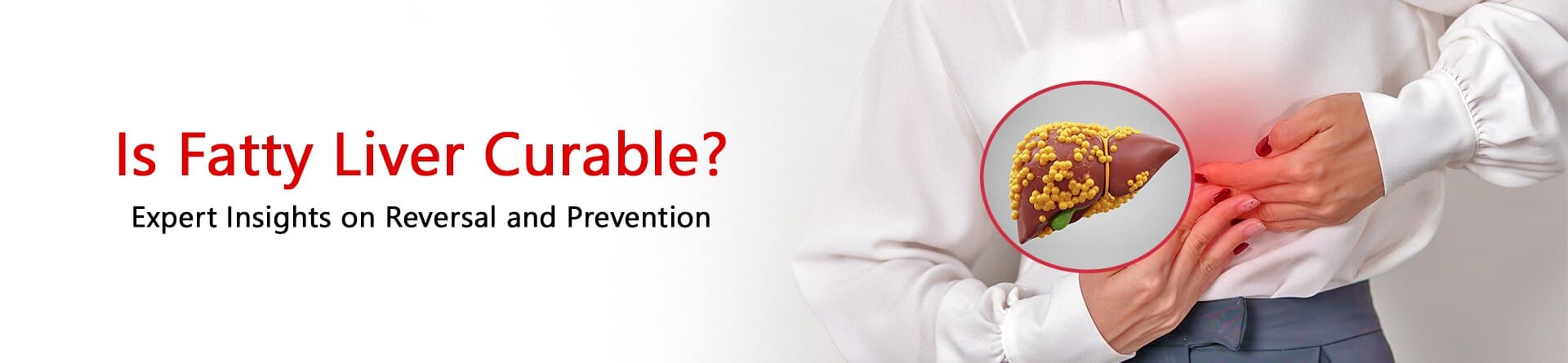
The liver is the largest organ in your body. It helps in digestion, stores energy, and removes toxins from your blood. Sometimes, fat starts collecting inside the liver cells. If this fat makes up more than 5–10% of the liver’s weight, it is called fatty liver or fatty liver disease.
There are two main types of fatty liver:
Doctors also classify fatty liver into grades based on its severity:
Most people with fatty liver have no clear symptoms in the beginning. That’s why it’s often called a “silent disease”. But as it gets worse, you might notice:
Fatty liver symptoms in females may also include hormonal changes, irregular periods, or difficulty losing weight — especially if related to polycystic ovary syndrome (PCOS). If you have diabetes, high cholesterol, or are overweight, it’s time to get your liver checked.
The main reasons include:
In India, the rise in non-alcoholic fatty liver is mainly due to poor diet and sedentary lifestyle. Children and young adults are now developing fatty liver too — a clear sign of the country’s changing health habits.
The best way to reverse fatty liver is by improving your daily habits.
A balanced fatty liver diet helps reduce fat storage and supports the liver.
What to eat:
Foods to avoid with fatty liver:
You can also follow a diet chart for fatty liver suggested by your doctor or dietitian.
A simple fatty liver diet plan could be:
If you’re wondering how to reduce fatty liver quickly, remember — there’s no shortcut. Consistency is more important than speed.
Regular exercise helps burn the fat stored in your liver. You don’t need a gym — even simple activities help.
Exercise for fatty liver can include:
Even a small weight loss of 5–10% can show big improvements in your liver health.
If you have fatty liver, stop drinking alcohol completely. Alcohol makes the condition worse.
Also, don’t take over-the-counter medicines without a doctor’s advice, as some can harm your liver.
Obesity, poor sleep, and stress can all make fatty liver worse.
Try to maintain a healthy weight, get 7–8 hours of sleep, and practise relaxation methods like yoga or meditation.
There is no single medicine that can cure fatty liver completely. But doctors may prescribe supplements or medicines to manage related issues like diabetes or cholesterol.
Common medical treatments include:
For fatty liver grade 2 or higher, your doctor may suggest closer follow-ups or additional tests. The goal is to prevent the disease from progressing to cirrhosis.
Fatty liver is mostly preventable. With healthy habits, you can protect your liver for life.
Simple fatty liver disease self-care tips:
For children, reduce screen time and encourage outdoor play. Healthy habits should start early.
Fatty liver is now a common problem in India, but it doesn’t have to be a lifelong disease. The liver can heal — you just need to give it the right care.
With early diagnosis, a good fatty liver diet, regular exercise, and healthy habits, you can reverse fatty liver and prevent serious complications.
Remember, small daily changes can make a big difference. Start today — your liver will thank you tomorrow.
If detected early and managed well, most people with fatty liver can live a normal, healthy life.
Yes, in many cases fatty liver can reverse naturally with a healthy diet, regular exercise, and weight control.
It usually takes 3 to 6 months of consistent lifestyle changes to start seeing improvement.
Yes, untreated fatty liver can progress to liver inflammation, fibrosis, or cirrhosis, which can be serious.
Yes, but in moderation — choose boiled eggs, toned milk, or low-fat dairy instead of high-fat options.
Yes, studies show that 2–3 cups of coffee a day may help reduce liver fat and protect liver cells.
Written and Verified by:

Consultant - GI & Hepato-Biliary Surgeon Exp: 27 Yr
Gastro Sciences
Dr. Ajay Mandal is a Consultant GI & Hepato-Biliary Surgeon at CMRI Hopsital, Kolkata, with over 20 years of experience. He specializes in liver, pancreatic, and colorectal cancers, performing complex surgeries including laparoscopic and robotic procedures.
Similar Gastro Sciences Blogs
Book Your Appointment TODAY
© 2024 CMRI Kolkata. All Rights Reserved.