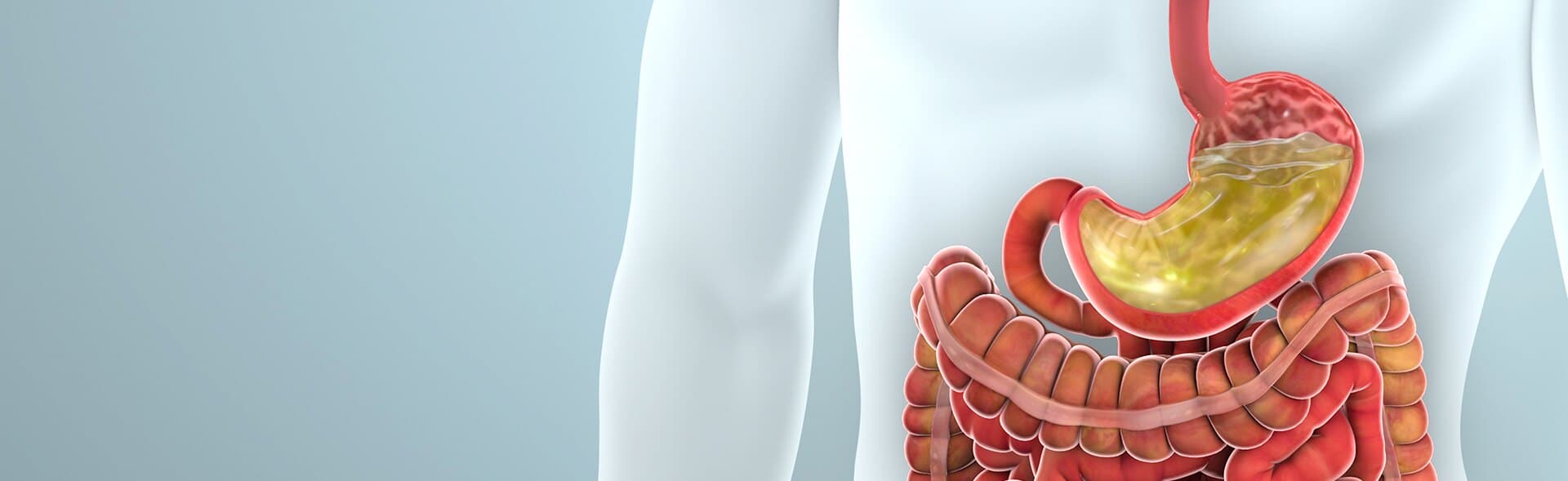
A gastrectomy is a surgical procedure in which part or all of the stomach is removed. A total gastrectomy involves removing the entire stomach, whereas a partial gastrectomy removes only a portion of it. This surgery is commonly recommended for conditions such as gastric (stomach) cancer, severe Class III obesity, or other serious stomach disorders that have not responded to medication or non-surgical treatments.
Gastrectomy procedures generally fall into two main categories:
For example, a subtotal gastrectomy removes approximately 70–80% of the stomach. Certain procedures are named for their purpose, such as gastric sleeve surgery, which is a type of partial gastrectomy used to treat severe (Class III) obesity.
Although gastrectomy significantly alters digestion, people can still live and eat without a stomach by adapting their diet and eating habits.
A gastrostomy is a procedure in which a small opening is created through the abdomen into the stomach to place a feeding tube (G-tube). Unlike gastrectomy, the stomach is not removed. Gastrostomy allows nutrition, fluids, and medications to be delivered directly into the stomach when oral intake is unsafe or inadequate.
Doctors may recommend a gastrostomy when:
The purpose of a gastrostomy is to ensure adequate nutrition, maintain body strength, and prevent complications such as malnutrition and dehydration.

There are several types of gastrostomy procedures, depending on how the feeding tube is placed:
The choice of procedure depends on the patient’s overall health, medical condition, and nutritional needs.
A gastrostomy procedure is performed by trained specialists using endoscopic, surgical, or imaging-guided techniques. Although the exact approach varies, the general steps include:
The procedure usually takes 20 to 45 minutes. Most patients can begin G-tube feeding within a few hours or by the next day, depending on recovery.
Gastrostomy is generally safe, and complications are uncommon when performed by experienced specialists. Possible risks include:
Most complications are mild and can be managed with proper care, routine cleaning, and follow-up visits.
Proper care after gastrostomy is essential for safe feeding and smooth recovery.
Regular check-ups help monitor tube function and overall health. Tube replacements or upgrades, such as switching to a low-profile G-button, are provided when needed. Proper care helps patients adapt comfortably to tube feeding and reduces the risk of long-term complications.
The CK Birla Hospitals, Kolkata, is a leading hospital for gastrostomy care, offering advanced procedures and comprehensive support for patients requiring long-term nutritional assistance.
A gastrostomy tube typically lasts several months to a year, depending on the tube type and daily care.
Some patients can safely eat or drink by mouth, while others rely fully on tube feeding as advised by their doctor.
Clean the site daily with mild soap and water, keep it dry, and flush the tube before and after feedings to prevent blockage.
It may be temporary or long-term, depending on the medical condition and duration of feeding support needed.
Seek medical attention immediately. Do not attempt to replace the tube at home.
Most G-tubes are replaced every 6 to 12 months, or sooner if damaged or blocked.
© 2024 CMRI Kolkata. All Rights Reserved.


