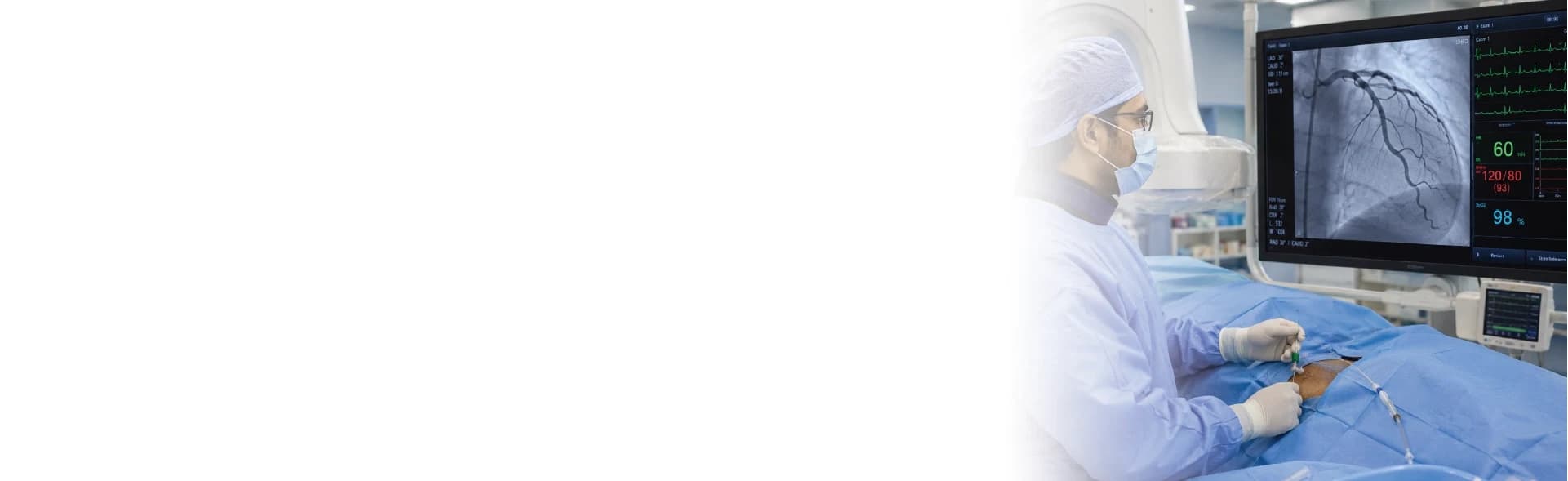
Aortic valve replacement is a treatment for a damaged or diseased aortic valve. The surgeon removes the damaged valve and replaces it with a new one. This helps blood flow from the heart to the body more easily. Depending on your condition, the valve can be replaced through surgery or a minimally invasive procedure such as TAVR.
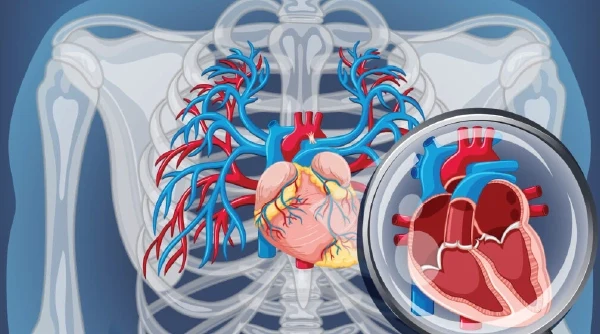
The aortic valve is one of the four valves in your heart. It sits between the heart's main pumping chamber and the aorta. It opens to let blood leave the heart and closes to stop blood from flowing back.
Sometimes, the aortic valve becomes narrow or does not close properly. This is called aortic valve disease.
The two common types are:
Some people are born with an abnormal aortic valve. For example, the valve may have two leaflets instead of the usual three. Other problems can develop with age or because of conditions that damage the valve.
Mild valve disease may not need surgery. Your doctor may monitor the valve and manage symptoms with medicines. Valve replacement may be considered when the valve disease becomes severe, causes symptoms or affects how well the heart works.
Common symptoms can include:
Your cardiologist may use an echocardiogram and other heart tests to check the valve and decide whether replacement is needed.
There are two main types of replacement valves.
A mechanical valve is made from strong, man-made materials. It can last for many years. However, people with a mechanical valve usually need lifelong blood-thinning medicine to reduce the risk of blood clots.
A biological valve is made from animal tissue. It does not usually require lifelong blood thinners only because of the valve, although your doctor may prescribe them for other reasons. Tissue valves can wear out over time and may need another procedure in the future.
Your doctor will discuss the type of valve that may suit you. Age, health, lifestyle, other heart conditions and the need for blood-thinning medicines are some factors considered before making a decision.
Aortic valve replacement can be done through traditional surgery or through a less invasive procedure called transcatheter aortic valve replacement (TAVR).
In surgical aortic valve replacement, the surgeon reaches the heart through an operation on the chest. The damaged valve is removed and replaced with a new valve.
TAVR uses a thin tube called a catheter. The catheter is usually passed through a blood vessel, often from the groin, and guided towards the heart. The new valve is then placed inside the damaged aortic valve.
TAVR can avoid the need for traditional open-heart surgery in suitable patients. It is often considered for people who may have a higher risk from surgical valve replacement. However, it is not suitable for everyone.
The choice between TAVR and surgical replacement depends on several factors. These include your age, valve condition, other health problems, anatomy and overall surgical risk. A heart team can review these factors and suggest the most suitable option.
The exact aortic valve replacement procedure steps depend on whether you need surgical replacement or TAVR.
Your heart team first checks your overall health and the condition of your aortic valve. Tests may include an echocardiogram, CT scan, blood tests and other heart tests. These tests help the team understand the valve and blood vessels and plan the procedure.
You are given anaesthesia before surgery. The surgeon reaches the heart through an incision in the chest. The damaged aortic valve is removed and a new valve is placed in its position.
Open-heart surgery usually needs a longer recovery than a minimally invasive procedure. Your medical team will monitor your heart, breathing and other vital functions after surgery.
TAVR is performed using a catheter. The catheter carries the replacement valve to the heart through a blood vessel. The new valve is positioned inside the damaged aortic valve. Once it is in the correct position, it opens and starts working with the blood flow.
The team monitors your heart and blood flow during the procedure. Afterward, you remain under observation while the team checks your recovery.
Recovery depends on the type of procedure, your general health and whether you have other heart conditions.
After surgery, you may feel tired or sore for some time. Your doctor will gradually increase your activity as you recover. Cardiac rehabilitation may also be recommended to help you safely regain strength.
After TAVR, recovery is generally shorter than after traditional open-heart surgery. However, recovery time is different for each person. Some patients may return to light activities within a few weeks, depending on their condition and the doctor's advice.
Regular follow-up is important after an aortic heart valve replacement. Your doctor will check the new valve and your heart function. You should also take your medicines exactly as prescribed.
At the CK Birla Hospitals, Kolkata, our cardiac team provides care for patients with heart valve disease. Cardiologists, cardiothoracic surgeons, cardiac anaesthetists and critical care specialists work together to plan treatment based on each patient's condition.
Our cardiac surgery department provides valve repair and replacement, minimally invasive cardiac procedures and TAVR/TAVI. The hospital also has cath labs, modular operation theatres, critical care facilities and cardiac care services.
For patients who may benefit from TAVR, our team assesses the valve condition, overall health and other medical factors before deciding whether the procedure is suitable.
The focus is on planning the right treatment, monitoring you closely and supporting your recovery at every stage.
Traditional surgical aortic valve replacement is a major heart operation. It requires surgery on the chest and a period of recovery. TAVR is less invasive and does not require the same type of open-heart surgery. The right approach depends on your condition and surgical risk.
The lifespan depends on the type of valve. Mechanical valves can last for many years. Biological valves can also work well for many years but may wear out over time. Your doctor will explain what to expect based on the valve chosen for you.
TAVR is not automatically better than surgical valve replacement. Both procedures have different benefits and risks. Your doctor considers your age, valve condition, overall health and surgical risk before recommending an option.
Yes. TAVR can replace the aortic valve without traditional open-heart surgery in suitable patients. A catheter is used to place the new valve inside the damaged valve.
It depends on the type of valve and your other health conditions. People with mechanical valves usually need lifelong blood-thinning medicine. Your doctor will decide which medicines you need after the procedure.
Most people can gradually return to physical activity after recovery. The timing depends on the type of procedure and your health. Your doctor may recommend cardiac rehabilitation and will guide you on when to start and how much activity is safe.
© 2024 BMB Kolkata. All Rights Reserved.


