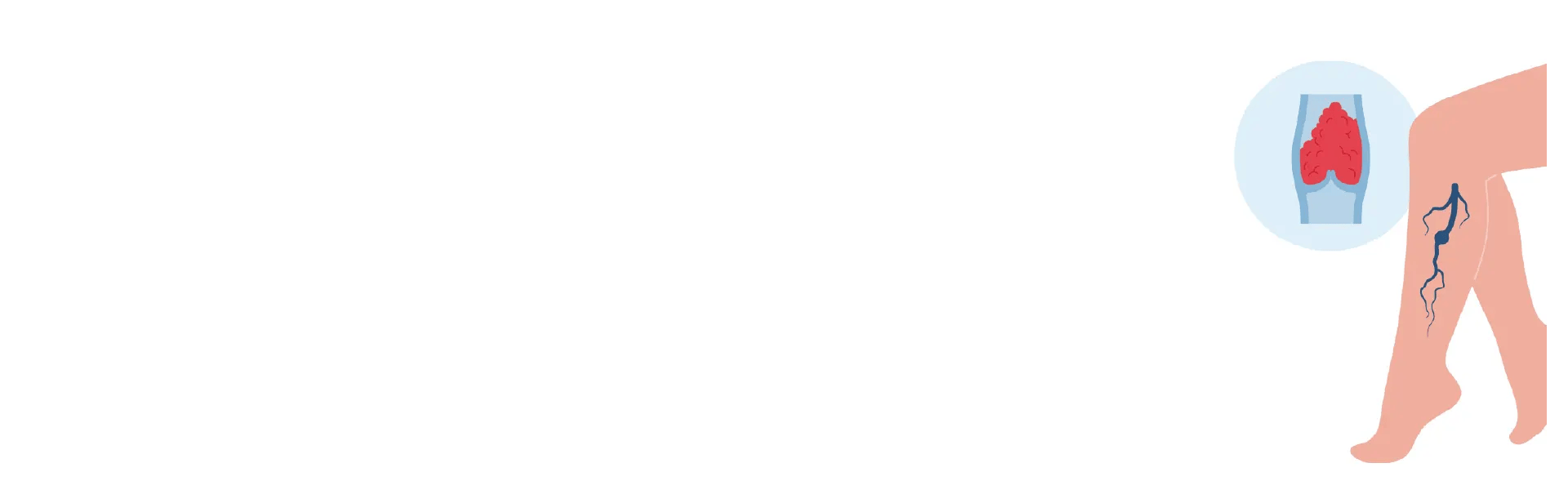
A thrombectomy is one of the most effective treatments for removing dangerous blood clots that block blood flow to vital organs, especially the brain. In stroke care, time is everything. A blocked artery can quickly damage brain tissue, impacting speech, movement, memory, and overall quality of life.
Thrombectomy helps restore blood flow rapidly and can significantly improve outcomes when performed on time. At CK Birla Hospitals, Kolkata, our expert stroke team provides advanced thrombectomy procedures using the latest technology and internationally recognised clinical standards.
A thrombectomy is a minimally invasive procedure used to physically remove a blood clot (thrombus) from an artery or vein. It is most commonly performed as an emergency treatment for ischaemic stroke, where a clot blocks a blood vessel supplying the brain. By removing the clot, the procedure restores oxygen-rich blood flow and prevents long-term neurological damage.
In simpler terms, thrombectomy works like clearing a blocked pipe—except the “pipe” is a life-sustaining blood vessel.

A thrombectomy is typically recommended in situations where quick restoration of blood flow can save tissue, function, and life.
1. Ischemic Stroke
This is the most common indication. A thrombectomy stroke treatment is considered when:
2. Deep Vein Thrombosis (DVT) or Pulmonary Embolism
In certain cases, a thrombectomy may be used to remove clots from major veins to prevent complications.
3. Acute Limb Ischemia
When a limb’s blood flow is compromised due to a clot, a thrombectomy may be needed to avoid permanent damage or amputation.
4. Post-surgical or Trauma-related Clots
Some clots formed after major surgeries or injuries may also require intervention.
Your doctor will recommend a thrombectomy when the benefits outweigh the risks and when the imaging tests confirm that brain tissue can still be saved.
Thrombectomy techniques vary depending on the location, size, and type of clot.
1. Mechanical Thrombectomy
This is the most widely used method for treating stroke. A small device (stent retriever or suction catheter) grabs or aspirates the clot and removes it from the blocked vessel.
2. Surgical Thrombectomy
Also known as open thrombectomy, this involves making an incision directly over the blocked artery, opening it, and removing the clot. It is generally used when minimally invasive methods are not suitable.
3. Aspiration Thrombectomy
A vacuum-like catheter is used to suction the clot out of the artery.
4. Combined Technique
Sometimes, both aspiration and mechanical retrieval are used together for efficiency and safety. Each technique is chosen based on the patient’s condition, imaging findings, and urgency of treatment.
A thrombectomy is usually done in an advanced neuro-interventional suite or hybrid operating theatre.
The entire thrombectomy surgery usually takes 30–90 minutes, depending on the complexity of the clot.
Although thrombectomy is considered safe and life-saving, it may involve:
Your doctor will weigh these risks against the urgency and potential benefits of the treatment.
Recovery after a thrombectomy depends on how quickly treatment was given, the severity of the stroke, and the patient’s overall health.
Many patients regain significant function within days or weeks if treated on time. Early rehabilitation—including physiotherapy, speech therapy, and occupational therapy—plays a vital role.
Surgical (open) thrombectomy involves a longer recovery, typically a few weeks, compared to endovascular (catheter-based) procedures.
At CK Birla Hospitals, Kolkata, we provide comprehensive stroke and vascular care powered by advanced technology and highly skilled specialists.
We have a dedicated stroke unit ready round-the-clock, ensuring rapid evaluation and treatment—crucial for thrombectomy success.
Our state-of-the-art cath labs support complex mechanical thrombectomy procedures with precision and safety.
Our specialists have extensive experience in performing minimally invasive and surgical thrombectomy procedures.
Every patient receives a customised care plan that includes imaging, intervention, rehabilitation, and follow-up.
Physiotherapists, speech therapists, and occupational therapists help patients regain strength and function after stroke.
From diagnosis to recovery, our team ensures compassionate care, clear communication, and stress-free management for families.
Most thrombectomies for stroke are minimally invasive, but open surgical thrombectomy is considered a major procedure.
The procedure typically lasts 30 to 90 minutes, depending on the clot’s location and complexity.
When performed promptly, thrombectomy can successfully reopen blocked vessels in 80–90% of cases.
Yes, in most cases the clot can be fully removed, allowing blood flow to return to the affected area.
Patients with extensive brain damage, uncontrolled bleeding, very delayed presentation, or certain medical conditions may not be suitable.
Thrombectomy physically removes the clot using devices, while thrombolysis dissolves the clot using medication.
Most patients are prescribed blood thinners afterward to prevent new clots, but this depends on individual health needs.
© 2024 BMB Kolkata. All Rights Reserved.


