
Plantar fasciitis is one of the common causes of heel pain. It happens when the plantar fascia, a thick band of tissue at the bottom of your foot, becomes irritated or damaged. The pain is often worse when you take your first steps in the morning or stand up after sitting for a long time.
You can usually manage plantar fasciitis with rest, stretching, supportive footwear and medicines for pain relief. If the pain continues, your doctor may recommend physiotherapy or other treatments.
The plantar fascia connects your heel bone to the base of your toes. It supports the arch of your foot and helps absorb pressure when you walk or stand.
Repeated strain can irritate or damage this tissue, causing plantar fasciitis. Common heel pain causes include:
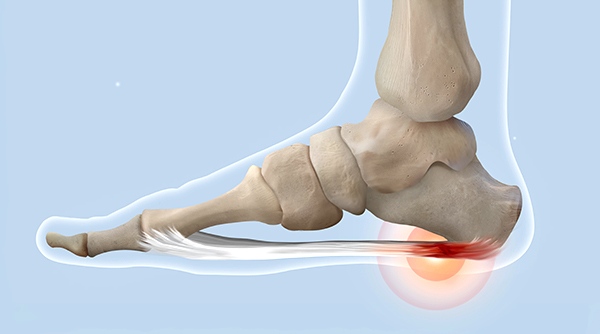
Plantar fasciitis usually causes pain at the bottom of the heel. You may notice:
Pain after sitting for a long time and then standing up.
The pain may improve after a few minutes of walking but return after activity. If your heel pain is severe, follows an injury or makes it difficult to put weight on your foot, seek medical advice.
Our expert will ask about your symptoms, daily activities and when the pain is most noticeable. They will examine your foot and may press gently around the heel to check for tenderness. They may also assess your foot movement and calf flexibility.
Most cases can be diagnosed through a physical examination. An X-ray, ultrasound or MRI may be recommended if your doctor suspects another cause of heel pain, such as a fracture, or needs more information.
The aim of plantar fasciitis treatment is to relieve heel pain, reduce strain on the plantar fascia and help you return to your usual activities. Most people improve with non-surgical treatment.
Reduce activities that make your pain worse, such as running, jumping or standing for long periods. You may need to take a break from sports while your foot recovers. Low-impact activities, such as swimming or cycling, may be suitable if they do not increase your pain.
Our expert may recommend medicines such as non-steroidal anti-inflammatory drugs (NSAIDs) to help relieve pain and inflammation. These medicines are not suitable for everyone and can cause side effects. Ask your doctor or pharmacist before using them, especially if you have other health conditions or take regular medicines.
Applying an ice pack wrapped in a towel to your heel for 10–15 minutes may help ease discomfort. You can also roll a cold water bottle gently under your foot. Do not apply ice directly to your skin.
Wear comfortable shoes with good cushioning and arch support. Avoid walking barefoot on hard floors if it worsens your pain. Your doctor may recommend heel cups, ready-made shoe inserts or custom orthotics to reduce pressure on the affected area.
Physiotherapy can help improve flexibility in your calf muscles and plantar fascia. A physiotherapist may guide you through stretching and strengthening exercises based on your symptoms. Regular practice can help reduce strain on your foot and improve movement.
If your symptoms continue despite appropriate treatment, your specialist may consider additional options. These may include extracorporeal shock wave therapy, which uses sound waves directed at the affected area.
In selected cases, injections may be considered. Corticosteroid injections can provide short-term pain relief, but they may weaken the plantar fascia and increase the risk of rupture. Your doctor will explain the benefits and risks before recommending this treatment.
Plantar fasciitis treatment exercises can help stretch the affected tissue and reduce strain on your foot. Start gently and stop if an exercise causes sharp or worsening pain.
Cold bottle roll: Sit on a chair and roll a cold water bottle under your foot for a few minutes.
Plantar fasciitis treatment at home may help ease mild pain. However, consult a specialist if the pain persists or affects your daily activities.
Surgery is rarely needed for plantar fasciitis. Most people improve with non-surgical treatment.
Our expert may consider surgery if severe pain continues to limit your daily activities after around 6–12 months of appropriate treatment. Procedures may involve releasing part of the plantar fascia or lengthening a tight calf muscle to reduce strain on the tissue.
Surgery has possible risks, including infection, nerve injury and changes in foot mechanics. Your specialist will discuss these risks and other treatment options before making a recommendation.
If you are looking for plantar fasciitis treatment near you in Kolkata, consult our experts at CK Birla Hospitals to understand your condition and explore the next steps in your care.
Yes. Plantar fasciitis can improve over time, particularly with rest, supportive footwear and stretching. Recovery may take several weeks or months.
The plantar fascia tightens while you sleep. When you take your first steps, the tissue stretches and may cause sharp heel pain. The discomfort often eases as you move around.
Long periods of walking or standing can increase pain. Reduce activities that worsen your symptoms, but follow your doctor's advice about staying active.
Yes. Shoes with poor cushioning or arch support can increase pressure on your heel. Choose comfortable footwear that supports your foot.
Yes. Physiotherapy can improve flexibility, strengthen the muscles supporting your foot and help reduce strain on the plantar fascia.
Plantar fasciitis mainly causes pain in the heel or arch. Changing the way you walk to avoid pain may contribute to discomfort elsewhere in your foot or leg. Persistent pain should be assessed to rule out other causes.
The pain may continue and affect walking, exercise and daily activities. You may also change the way you walk to avoid discomfort. Early assessment can help you manage symptoms and find suitable treatment.
© 2024 CMRI Kolkata. All Rights Reserved.


