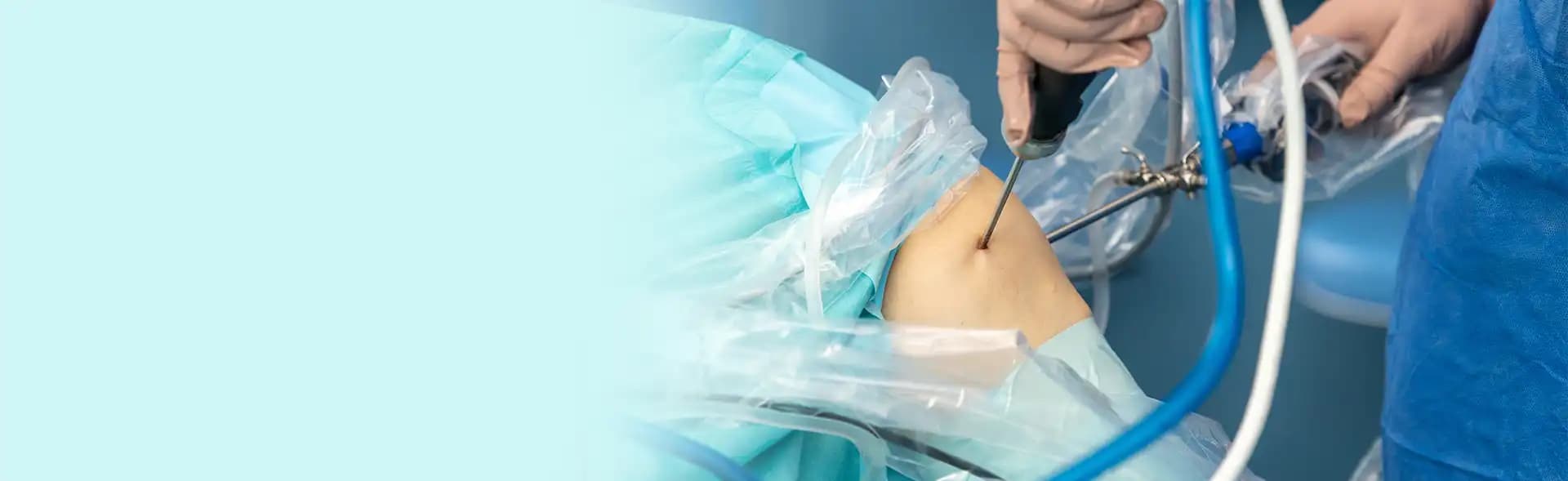
Arthroscopy is a minimally invasive surgical procedure used to diagnose and treat problems inside a joint. During the procedure, an orthopaedic surgeon inserts a thin tube with a small camera (arthroscope) through a small cut in the skin. The camera shows images of the joint on a screen, allowing the surgeon to examine the area and treat certain problems using specialised instruments.
Arthroscopy is commonly performed on the knee, shoulder, ankle, elbow and wrist. At CK Birla Hospitals, Kolkata, you can consult our orthopaedic specialists to understand your joint problem and discuss whether arthroscopic surgery is a suitable treatment option.
Arthroscopy is a keyhole surgery that helps doctors examine and treat problems inside a joint. It uses an arthroscope, a thin tube fitted with a small camera and light. The surgeon inserts it through a small incision near the affected joint. Images from the camera appear on a monitor, helping the surgeon see the joint structures clearly.
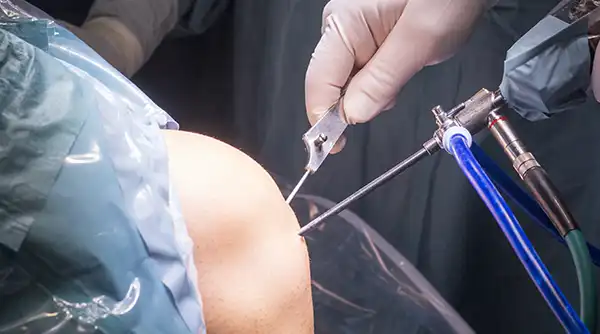
If treatment is needed, the surgeon makes a few additional small cuts to insert specialised instruments. These instruments can be used to repair or remove damaged tissue, smooth rough surfaces or remove loose pieces of bone or cartilage.
Arthroscopy is commonly performed on the knee and shoulder, but it can also be used to treat problems in the ankle, elbow, wrist and hip.
The uses of arthroscopy depend on the joint involved and the nature of the injury. Your doctor may recommend it when medicines, rest or physiotherapy have not provided enough relief, or when a joint injury needs surgical repair.
Some conditions that may be treated with arthroscopy include:
Meniscus tears: Damage to the cartilage that cushions the knee joint.
Ligament injuries: Tears in ligaments such as the anterior cruciate ligament (ACL), which helps stabilise the knee.
Rotator cuff tears: Damage to the group of tendons that help move and stabilise the shoulder.
Shoulder instability: Repeated shoulder dislocations or damage to the tissues that hold the joint in place.
Loose bone or cartilage fragments: Small pieces inside a joint that may cause pain, swelling or restricted movement.
Inflamed joint lining: Inflammation of the tissue lining the joint, which may require treatment.
Cartilage damage: Injuries or changes affecting the smooth tissue that covers the ends of bones.
Arthroscopy may also help doctors investigate persistent joint pain or swelling when the cause is not clear. However, not every joint condition can be treated through this procedure. Your orthopaedic specialist will assess your symptoms and imaging reports before recommending surgery.
Arthroscopy uses smaller incisions than traditional open surgery. This may offer several benefits, depending on the condition being treated and the type of repair required.
Some potential benefits include:
Smaller incisions: The surgeon operates through small cuts rather than making a large opening around the joint.
Less damage to surrounding tissues: The procedure generally involves less disruption to the muscles and soft tissues around the joint.
Less post-surgical discomfort: Many patients experience less pain after arthroscopy than after open surgery, although some discomfort is expected.
Shorter hospital stay: Many arthroscopic procedures are performed as day-care surgeries, so you may be able to go home on the same day.
Faster early recovery: Smaller incisions may help you resume certain daily activities sooner.
Direct view of the joint: The camera allows the surgeon to examine the joint and identify damage during the procedure.
The benefits vary according to the injury, the procedure performed and your overall health. Arthroscopy does not guarantee complete pain relief or prevent future joint problems.
The arthroscopy procedure involves preparation, surgery and post-operative care. Your doctor will explain what to expect based on the joint being treated.
Before the procedure
Your orthopaedic specialist will review your medical history, examine the affected joint and may recommend imaging tests such as X-rays or an MRI. You may also need blood tests or other assessments before surgery.
Tell your doctor about any medicines you take, allergies or existing health conditions. You will receive instructions about fasting, medicines and when to arrive at the hospital.
During the procedure
Arthroscopy is performed under anaesthesia. Depending on the joint and the planned surgery, you may receive general, regional or local anaesthesia.
Once the anaesthesia takes effect, the surgeon makes small incisions around the joint and inserts the arthroscope. The camera sends images to a monitor, allowing the surgeon to examine the joint. Specialised instruments are then used to repair or remove damaged tissue, depending on the treatment plan.
The incisions are closed with stitches or small dressings. The procedure may take around 30 minutes to two hours, depending on its complexity.
After the procedure
After surgery, you will be monitored while the effects of anaesthesia wear off. You may experience some pain, swelling or stiffness around the joint. Your doctor may recommend pain-relief medicines, ice packs, a dressing or a support such as a brace or crutches.
You will receive instructions on wound care, movement and weight-bearing. Follow these instructions and attend your scheduled follow-up appointments.
Recovery after arthroscopy depends on the joint treated and the type of repair performed. A simple procedure may allow you to resume light activities within a few days, while ligament or cartilage repair may require several weeks or months.
After knee arthroscopy, you may be able to walk soon after surgery, sometimes with crutches or other support. However, your ability to put weight on the knee depends on what was done during the procedure. Your surgeon will guide you on when to walk normally, climb stairs and return to work or exercise.
Physiotherapy is often an important part of recovery. It helps improve joint movement, build muscle strength and restore stability. Your physiotherapist may recommend exercises in stages so that you do not put too much pressure on the healing joint.
Contact your doctor if you notice increasing pain or swelling, fever, redness around the incision, unusual discharge or significant calf pain. These symptoms may need medical attention.
Joint pain and injuries can affect your ability to walk, work, exercise and manage everyday activities. At CK Birla Hospitals, Kolkata, our orthopaedic team can assess your joint condition and help you understand the treatment options available.
We focus on:
Detailed joint assessment: We evaluate your symptoms, movement, medical history and diagnostic reports before discussing treatment.
Treatment based on your condition: Our specialists help you understand whether arthroscopy or another treatment approach may be appropriate.
Guidance before surgery: We explain the procedure, anaesthesia, preparation and possible risks so you can make an informed decision.
Post-operative care: We guide you on wound care, pain management, movement and follow-up visits.
Rehabilitation support: We help you understand the role of physiotherapy in improving joint movement and strength after surgery.
Our aim is to help you make informed decisions about your joint health and support you through the treatment and recovery process.
Many patients can walk on the same day or soon after knee arthroscopy. However, this depends on the type of procedure performed. You may need crutches or a knee brace for support, especially if the surgeon has repaired a ligament or cartilage.
You may be able to climb stairs after knee arthroscopy, but you should do so carefully and only when your surgeon allows it. You may need to use a handrail and take one step at a time until your knee movement and strength improve.
Physiotherapy may last from a few weeks to several months, depending on the injury and the procedure. Your physiotherapist will plan exercises to improve flexibility, strength and joint stability. Follow the recommended schedule rather than stopping as soon as the pain reduces.
Arthroscopy is generally considered a safe procedure, but complications can occur. These may include:
Infection around the joint or incision
Bleeding or blood clots
Swelling and stiffness
Injury to nearby nerves or blood vessels
Persistent pain or limited joint movement
Complications related to anaesthesia
Your surgeon will explain the risks based on your health and the planned procedure.
Recovery involves following your doctor's instructions, taking prescribed medicines, keeping the incision clean and attending follow-up appointments. You may also need ice packs, temporary support for the joint and physiotherapy. Avoid strenuous activities until your doctor clears you.
The procedure itself is not usually painful because it is performed under anaesthesia. You may experience mild to moderate pain, swelling or stiffness after surgery. Your doctor can prescribe medicines and recommend other measures to manage discomfort.
Small stitches or surgical strips may be used to close the incisions after knee arthroscopy. The number of stitches depends on the procedure and the surgeon's approach. Your doctor will tell you when the stitches need to be removed, if required.
Yes. Arthroscopic surgery is performed under anaesthesia to keep you comfortable during the procedure. The type may be general, regional or local, depending on the joint being treated and the complexity of the surgery.
© 2024 CMRI Kolkata. All Rights Reserved.


