Sciatica is not a disease. It is a symptom caused by irritation or compression of the sciatic nerve. You may feel pain in your lower back, buttock or leg, usually on one side of the body. The pain may be mild or severe and can be accompanied by numbness, tingling or weakness.
Most people improve with medication, physical therapy and lifestyle changes. Severe or persistent symptoms may require advanced treatment or surgery. At the CK Birla Hospitals, Kolkata, our specialists provide personalised sciatica treatment to relieve pain, improve mobility and treat the underlying cause of your symptoms.
Sciatica refers to pain that occurs when the sciatic nerve or its nerve roots become irritated, inflamed or compressed. The sciatic nerve is the longest nerve in the body. It begins in the lower back, passes through the buttocks and extends down each leg to the feet.
When pressure affects this nerve, it can cause pain that travels from the lower back to the buttock, leg or foot. The symptoms usually affect one side of the body.
The pain can range from mild to severe. Some people describe it as a sharp, burning or shooting sensation. Others may experience tingling, numbness or muscle weakness in the affected leg.
Sciatica is one of the most common causes of leg pain in adults. Most people improve with medication, physical therapy and lifestyle changes. However, severe or long-lasting symptoms may require advanced treatment or surgery.

The sciatic nerve plays an important role in both movement and sensation. It helps your legs and feet move properly and allows you to feel sensations such as touch, pain and temperature.
Although the sciatic nerve passes through the buttocks, it does not control the muscles in this area. The sciatic nerve has two main functions:
Sciatica is generally divided into two main types. Although the causes may differ, the symptoms are often similar. Common symptoms include pain, tingling, numbness or weakness that travels from the lower back to the leg.
The term 'sciatica' is often used to describe both types because the symptoms can feel very similar. Identifying the underlying cause is important, as it helps our specialists recommend the most effective treatment plan for your condition.
Sciatica symptoms can vary from person to person. Some people experience mild discomfort, while others may have severe pain. Common symptoms include:
Seek immediate medical attention if you experience:
These symptoms may indicate a serious condition that requires urgent care.
Sciatica pain happens when the sciatic nerve or its nerve roots become irritated, inflamed or compressed. This pressure can cause pain that starts in the lower back and travels to the buttock, leg or foot.
Common causes of sciatica include:
Sometimes, the exact cause of sciatica cannot be found. Certain factors can increase your risk of developing sciatica, including:
Finding the cause of sciatica is important because it helps our specialists choose the right treatment for your condition.
When you visit the CK Birla Hospitals, Kolkata, with symptoms of sciatica, our specialists start by understanding your symptoms, medical history and daily activities. We will ask when the pain started, where you feel it and whether certain movements make it worse.
Next, we perform a physical examination to check your posture, movement, muscle strength and reflexes. Your evaluation may include:
Most people do not need imaging tests immediately. However, if your symptoms are severe, getting worse or not improving with treatment, we may recommend further tests. These may include:
These tests help us identify the underlying cause of your symptoms and create a personalised treatment plan.
Treatment for sciatica focuses on relieving pain, improving movement and treating the underlying cause of nerve compression. The right treatment depends on your symptoms, their severity and the condition affecting the sciatic nerve. Most people improve without surgery.
Our specialists usually begin with non-surgical treatments and recommend advanced options only if symptoms are severe, getting worse or not improving with conservative care.
Medicines can help reduce pain, inflammation and muscle spasms. Depending on your symptoms, Our experts may recommend the following:
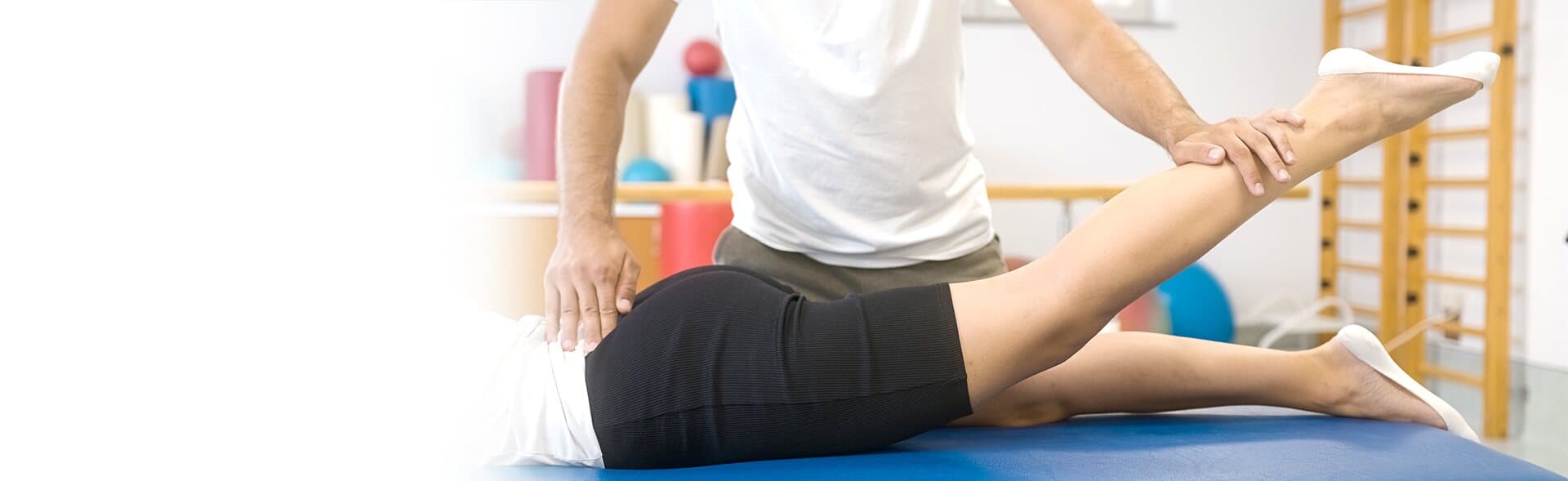
Physical therapy is one of the most effective treatments for sciatica. Your physiotherapist will create a personalised exercise plan to:
You may also learn stretches and exercises to continue safely at home.
Simple changes in your daily routine can support recovery and help prevent future flare-ups. Your doctor may recommend:
If pain does not improve with medication and physical therapy, epidural steroid injections may be recommended. These injections deliver medication near the affected nerve to reduce inflammation and provide short-term pain relief.
Surgery is usually the last treatment option. It may be recommended if you have:
Common surgical procedures include:
At the CK Birla Hospitals, Kolkata, we use advanced diagnostic tools to identify the exact cause of your symptoms. Our specialists create personalised treatment plans to help relieve pain, restore mobility and improve your quality of life.
Sciatica treatment surgery is usually considered only when non-surgical treatments do not provide relief. You may need specialist care if you have:
Common surgical procedures include microdiscectomy and laminectomy. Our experts will recommend the most suitable option based on the cause and severity of your symptoms.
We understand how sciatica can affect your daily life. Our specialists focus on accurate diagnosis, effective pain relief, and long-term recovery.
If you have persistent lower back pain or symptoms of sciatica, do not ignore them. Early diagnosis and treatment can help relieve pain, restore movement, and improve your quality of life.
Book an appointment with our specialists at the CK Birla Hospitals, Kolkata, to discuss the best treatment for sciatica.
Yes. Most people recover with non-surgical treatments such as medication, physical therapy, stretching exercises, and lifestyle changes.
Yes. Physiotherapy can help reduce pain, improve flexibility, strengthen back muscles, and relieve pressure on the sciatic nerve.
Yes. Prolonged sitting can increase pressure on the sciatic nerve and make symptoms worse. Taking regular breaks and maintaining good posture can help.
No. While a slipped disc is a common cause, sciatica can also result from spinal stenosis, bone spurs, piriformis syndrome, or spinal injuries.
Yes. Sciatica can cause numbness, tingling, or muscle weakness in the affected leg or foot due to nerve compression.
Sleeping on your back with a pillow under your knees or on your side with a pillow between your knees can help reduce pressure on the sciatic nerve.
Yes. Gentle walking can improve blood flow, reduce inflammation, and support recovery. However, avoid activities that worsen your pain.
© 2024 CMRI Kolkata. All Rights Reserved.


