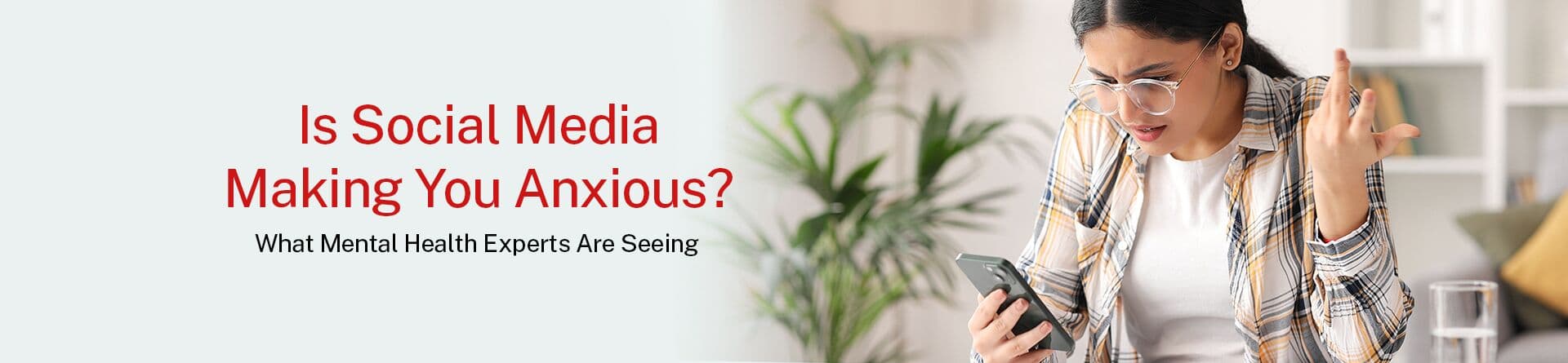
Social media can affect mental health in both positive and negative ways. Habits such as constant comparison, doomscrolling, and seeking online validation may contribute to anxiety, stress, and emotional exhaustion. Understanding these patterns and adopting healthier digital habits can help improve emotional wellbeing.
Every day, billions of people open social media apps to stay connected, catch up on the news or simply pass the time. While these platforms have made communication easier than ever, they have also raised important questions about mental health. Many people now wonder whether the time they spend scrolling is affecting how they feel.
Recent studies suggest that the relationship between social media and anxiety is more complex than simply spending too much time online.
Mental health experts say that it is not just the number of hours spent on social media that matters, but also how people use it. Habits such as constantly comparing yourself with others, repeatedly checking notifications or endlessly scrolling through negative news can contribute to stress and anxiety. Source
According to a 2025 systematic review, problematic social media use is associated with higher levels of anxiety, depression and emotional distress, particularly among adolescents and young adults. However, researchers also note that social media can be a positive tool when used to stay connected, seek support or access reliable health information. Source
 Social media is not inherently harmful. In fact, it helps people stay connected with family and friends, learn new skills and find supportive communities. However, certain patterns of use can negatively affect emotional wellbeing.
Mental health professionals are increasingly seeing people who report feeling anxious, overwhelmed or emotionally exhausted after spending time on social media. These feelings may be linked to specific patterns of use rather than screen time alone. Some of the common ways social media can affect mental health include:
Most people share the happiest moments of their lives online. Vacations, promotions, celebrations and carefully edited photos often dominate social media feeds. Comparing your everyday life with someone else’s highlights can make you feel inadequate or dissatisfied.
Research has found that frequent social comparison is associated with lower self-esteem, anxiety and depressive symptoms. Social comparison is also recognised as one of the factors that may contribute to negative mental-health outcomes associated with social media use.
Have you ever felt left out after seeing friends at a gathering you were not invited to? This feeling is known as the fear of missing out, or FOMO.
People experiencing FOMO may feel that they are missing exciting experiences, better opportunities or happier lives. This can increase stress and encourage more frequent social media use. Research has identified FOMO as one of the factors associated with problematic social media use and anxiety-related outcomes.
Another growing concern is doomscrolling, the habit of continuously consuming negative news or distressing content.
Whether it involves reading about natural disasters, conflicts or economic uncertainty, doomscrolling can leave people feeling emotionally drained. Research has found associations between doomscrolling, psychological distress and poorer mental wellbeing.
Many users find themselves checking how many likes, comments or shares their posts receive. When engagement is lower than expected, it may affect their confidence and mood.
Seeking social validation online may contribute to problematic social media use and can interact with factors such as self-esteem and social comparison.
Scrolling through social media before bedtime can interfere with sleep and make it harder to maintain healthy sleep habits. Research has found associations between problematic social media use, sleep problems, anxiety and depression.
It is not always easy to recognise when social media may be affecting your wellbeing. Some possible warning signs include:
If these behaviours become frequent or start interfering with your daily life, it may be time to evaluate your digital habits and consider seeking professional support.
Psychologists believe that comparison culture is one of the factors that may contribute to the link between social media use and anxiety.
People naturally compare themselves with others. Social media can make this easier because users are constantly exposed to carefully selected moments from other people’s lives.
Similarly, FOMO can create the impression that everyone else is happier, more successful or living a more exciting life. Over time, this may contribute to feelings of loneliness and dissatisfaction.
Doomscrolling can add another layer of stress. Social media platforms may promote attention-grabbing content, including shocking or emotionally charged stories. As people continue scrolling through negative news, they may experience increased stress, even though they have no control over the events they are reading about.
Mental health experts also point out that these habits can become part of a cycle. Feeling anxious may lead someone to spend more time on social media as a form of distraction, but excessive or problematic use may, in turn, contribute to greater anxiety.
Mental health professionals may observe different patterns of social media use across age groups.
Teenagers may be particularly vulnerable because their emotional and social development is still ongoing. Mental health professionals often see concerns related to cyberbullying, body image, peer pressure and FOMO.
Studies suggest that adolescents who frequently compare themselves with others online may be more likely to experience symptoms of anxiety.
Many young adults experience stress related to career achievements, relationships and financial stability. Social media can amplify these comparisons, making some people feel that they are falling behind in life.
Some studies have also reported problematic or excessive social media use among young adults, with some individuals struggling to limit their online activity despite negative effects on their daily lives.
Adults may experience stress while balancing work, parenting and personal responsibilities while staying constantly connected online. Exposure to negative news, political discussions and misinformation may also contribute to stress or anxiety.
Older adults, however, may benefit from social media when it helps them maintain social connections and reduce feelings of loneliness.
Developing healthier digital habits can support digital wellbeing and better mental health. Here are some simple strategies that may help:
These small changes can help you develop healthier social media habits and support emotional wellbeing.
Feeling stressed occasionally after using social media is common. However, if anxiety begins to interfere with your daily life, it is important to seek professional support. Consider speaking with a mental health professional if you:
Mental health professionals can help assess your symptoms, identify possible contributing factors and recommend appropriate treatment. Depending on your needs, treatment may include counselling, cognitive behavioural therapy (CBT), lifestyle changes or medication.
Social media has become an important part of modern life, but its impact on mental health can depend on how and why we use it. Research suggests that certain patterns of use, such as constant comparison, doomscrolling, seeking online validation and compulsive checking, may be associated with anxiety and emotional distress.
The good news is that small, intentional changes may help support healthier digital habits. Limiting passive scrolling, creating healthier online routines and prioritising real-life connections can support digital wellbeing.
If social media is leaving you feeling stressed, overwhelmed or emotionally exhausted, consider taking a step back and reassessing your digital routine. If anxiety continues to affect your quality of life, consider seeking support from a qualified mental health professional. Early support can help you manage symptoms and develop healthier ways of coping.
Yes. Reducing or taking a break from social media may help lower anxiety, improve mood and promote better sleep.
Yes. Teenagers are more vulnerable due to ongoing emotional development and greater exposure to peer pressure, cyberbullying and FOMO.
Yes. When used wisely, social media can strengthen social connections, provide emotional support and improve access to mental health resources.
Parents should set screen time limits, encourage offline activities and have open conversations about responsible social media use.
Excessive social media use before bedtime can disrupt sleep, which may increase stress, anxiety and emotional fatigue.
Experts recommend focusing on balanced screen use rather than a fixed limit, while avoiding excessive use that affects sleep, work or daily life.
Written and Verified by:
-Dr.-Arvinda-Mukherjee-(-Neurologist-).webp&w=256&q=75)
Dr. Arabinda Mukherjee is a Senior Consultant Neurologist at CMRI, Kolkata, with over 35 years of experience. He specializes in demyelinating disorders, epilepsy, multiple sclerosis, peripheral neuropathy, and stroke.
Similar Neuro Sciences Blogs
Book Your Appointment TODAY
© 2024 CMRI Kolkata. All Rights Reserved.


