
Persistent back pain, shooting leg pain, numbness or weakness can sometimes be caused by a herniated disc pressing on a spinal nerve. When medicines, physiotherapy and other non-surgical treatments do not provide sufficient relief, microdiscectomy surgery may be considered to remove the part of the disc pressing on the nerve.
At the CK Birla Hospitals, Kolkata, our spine and neurosurgery teams provide advanced surgical care for conditions affecting the spine. Microdiscectomy is a minimally invasive procedure designed to relieve nerve compression while limiting damage to the surrounding tissues.
Microdiscectomy is a minimally invasive spine surgery used mainly to treat a herniated or slipped disc that is pressing on a spinal nerve. During the procedure, the surgeon makes a small incision and uses specialised instruments, often with microscopic visualisation, to locate and remove the disc fragment compressing the nerve. The primary goal is to decompress the affected nerve and relieve symptoms such as radiating leg pain, numbness and weakness.
Most people with a herniated disc do not need surgery. Treatment usually begins with medicines, physiotherapy, activity modification and other conservative measures. Microdiscectomy surgery may be recommended when symptoms persist despite non-surgical treatment, pain significantly affects daily activities, or there is neurological weakness or significant nerve compression.
Urgent assessment may be needed when there is progressive weakness or new loss of bladder or bowel control, as these can indicate severe nerve compression.
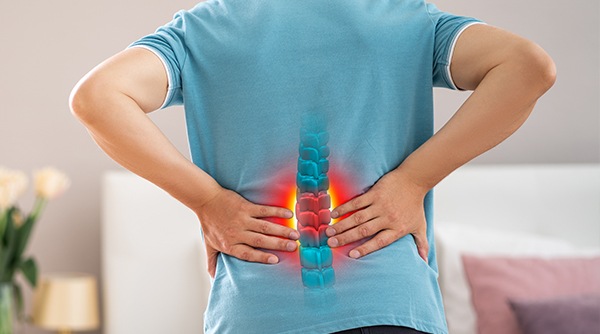
Microdiscectomy is primarily used for lumbar disc herniation, particularly when the displaced disc material compresses a nerve root and causes sciatica or other radicular symptoms.
Depending on the location and nature of the disc problem, a surgeon may consider microdiscectomy for:
The exact procedure depends on the location of the disc, the severity of nerve compression and the patient's symptoms and imaging findings. Microdiscectomy is not appropriate for every type of back pain, and a detailed clinical assessment is important before surgery.
Before surgery, your specialist will review your symptoms, medical history and neurological examination. Imaging, particularly an MRI scan, may be used to identify the herniated disc and determine whether it matches the pattern of nerve compression causing your symptoms.
During microdiscectomy surgery, the patient is generally placed under anaesthesia. The surgeon makes a small incision over the affected area of the spine and carefully moves the surrounding tissues aside to access the affected nerve. Using magnification and specialised instruments, the surgeon removes the herniated portion of the disc that is pressing on the nerve. Only the problematic disc material is removed when possible, while the remaining disc is preserved.
The procedure is designed to achieve nerve decompression while reducing unnecessary disruption to nearby muscles and tissues. The exact surgical technique may vary depending on the patient's anatomy and the location of the disc herniation
Not everyone with a slipped or herniated disc needs microdiscectomy. The procedure is generally considered when there is a clear relationship between the patient's symptoms, clinical findings and imaging results.
You may be considered for microdiscectomy surgery when you have:
The decision is individualised. Your surgeon will consider your symptoms, neurological findings, MRI results, general health and response to non-surgical treatment before recommending surgery.
Microdiscectomy is generally considered a minimally invasive spinal procedure rather than a major reconstructive spine operation. It involves a relatively small incision and focuses on removing the portion of the disc causing nerve compression. However, it is still spinal surgery and should be taken seriously. The potential benefits and risks should be discussed with your surgeon before making a decision.
Recovery varies from person to person and depends on factors such as the severity and duration of nerve compression, overall health and the nature of the procedure.
Many patients are encouraged to begin walking soon after surgery. In the early recovery period, you may be advised to avoid activities that place excessive strain on the spine, particularly heavy lifting, repeated bending and twisting. Your surgeon will provide personalised instructions based on your recovery.
The microdiscectomy recovery time can vary, but many patients are able to resume lighter daily activities relatively soon, while a longer period may be needed before returning to unrestricted physical activity. Some patients may also benefit from physiotherapy to improve strength, mobility, flexibility and movement patterns.
Once your surgeon considers it appropriate, rehabilitation may include gentle walking and physiotherapy-led exercises. These may focus on:
Do not begin strenuous exercises, heavy lifting or advanced stretching without medical guidance. Your rehabilitation plan should be tailored to your recovery.
There are usually no universal permanent restrictions after microdiscectomy. Most patients gradually return to normal activities as healing progresses. However, your long-term activity plan may depend on the condition of your spine, the nature of your work, physical demands and your individual recovery.
Maintaining a healthy weight, using good posture, building core strength and using safe lifting techniques can help support long-term spinal health.
Returning to sexual activity after surgery should be based on your comfort, wound healing and your surgeon's advice. In many cases, patients can gradually resume sexual activity once they are comfortable and able to move without significant pain. Your doctor may recommend avoiding positions that involve excessive bending, twisting or strain during the early recovery period.
Microdiscectomy is generally performed to relieve nerve compression, but like any surgery, it carries potential risks. Possible microdiscectomy complications include infection, bleeding, nerve injury, cerebrospinal fluid leakage from a dural tear, persistent symptoms and recurrent disc herniation.
The risk of complications varies depending on the patient's health, spinal anatomy, the severity of the condition and the surgical approach. Your surgeon will explain the possible risks and expected benefits before treatment.
At the CK Birla Hospitals, Kolkata, we provide comprehensive care for patients with spinal and neurological conditions. CMRI's Department of Neurosciences offers expertise in minimally invasive and microscopic spine procedures, including microdiscectomy and decompression surgeries.
Our approach focuses on accurate diagnosis, appropriate patient selection and personalised treatment planning. Depending on your condition, your care may involve specialists from neurosurgery, orthopaedics, radiology, physiotherapy and other relevant disciplines.
Advanced Spine Care
Our hospital provides minimally invasive spine procedures using specialised surgical techniques designed to minimise tissue disruption and support recovery.
Experienced Clinical Specialists
The neurosurgery team includes specialists with expertise in complex and minimally invasive spinal procedures.
Comprehensive Diagnosis and Treatment
From clinical assessment and MRI-based diagnosis to surgery and rehabilitation, patients can receive coordinated spine care under one roof.
Personalised Recovery Support
Post-surgical guidance and physiotherapy can help patients gradually restore mobility, strength and function according to their individual needs.
Persistent back or leg pain should not always be treated as a routine problem. If a herniated disc is causing ongoing nerve compression, timely specialist evaluation can help determine whether conservative care or microdiscectomy surgery is appropriate.
Consult a spine or neurosurgery specialist at the CK Birla Hospitals, Kolkata (CMRI Hospital) to understand your condition and discuss the most suitable treatment approach.
Microdiscectomy is a minimally invasive spine surgery performed to relieve pressure on a spinal nerve. Although it is less extensive than many major spinal procedures, it still requires careful surgical planning and recovery.
Yes. A disc can herniate again after microdiscectomy, although this is not common. Your doctor can advise you on ways to reduce the risk of recurrence during recovery.
Walking is usually encouraged within hours after surgery, with activity increased gradually. Driving should be resumed only when you are comfortable, can safely control the vehicle and your surgeon has cleared you to drive.
Physiotherapy may be recommended to improve strength, mobility and function after surgery, although the need and timing vary from person to person. Your surgeon or physiotherapist will suggest an appropriate rehabilitation plan.
Microdiscectomy may be covered by health insurance when it is medically necessary, but coverage varies by insurer, policy and terms. Check your policy or confirm pre-authorisation with your insurance provider before surgery.
© 2024 CMRI Kolkata. All Rights Reserved.


