
Serious brain conditions in newborns often require timely surgical treatment to prevent life-threatening complications. One important procedure used in paediatric care is VP shunt surgery. This treatment helps manage conditions that affect the brain’s fluid balance.
Families seeking advanced paediatric neurosurgery often travel to Kolkata, where specialised neurosurgical teams provide comprehensive care for infants and children. Hospitals such as BM Birla Heart Research Centre offer experienced doctors, modern operating facilities, and dedicated paediatric ICUs for complex procedures like the VP shunt procedure.
Below is a detailed guide explaining what a VP shunt is, how it works, and what families can expect during treatment and recovery.
A VP shunt is a small medical device used to remove excess fluid from the brain. Doctors commonly use it to treat hydrocephalus, a condition in which cerebrospinal fluid builds up inside the brain’s ventricles. When too much fluid accumulates, pressure increases inside the skull and may damage brain tissue.
The VP shunt procedure works by placing a thin tube inside the brain to drain excess fluid. The tube connects to a valve that controls the flow and directs it to the abdomen, where the body safely absorbs it. This helps reduce pressure in the brain and prevents further complications.
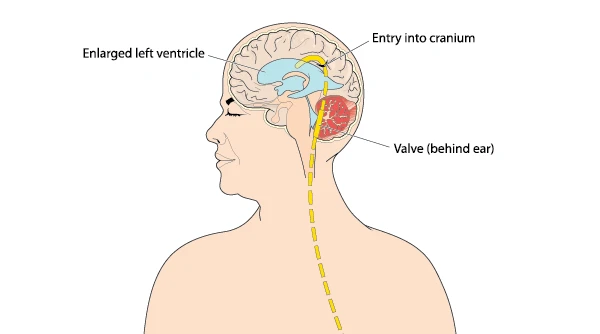
There are several VP shunt types, including:
Newborns and infants may need a VP shunt when cerebrospinal fluid cannot circulate or drain normally. This fluid buildup increases pressure in the brain and can interfere with normal development.
The most common condition requiring VP shunt surgery is hydrocephalus. This may occur due to several reasons:
Some babies are born with hydrocephalus due to developmental abnormalities in the brain. The fluid pathways may be blocked or not formed properly.
Premature babies may experience bleeding inside the brain, which can block the normal flow of cerebrospinal fluid.
Serious infections, such as meningitis, can damage the brain’s fluid drainage system and lead to fluid build-up.
Although less common in newborns, growths in the brain may obstruct fluid flow and require a VP shunt procedure.
Early diagnosis and treatment are essential because untreated hydrocephalus can lead to permanent brain damage.
VP shunt surgery is typically performed by a neurosurgeon under general anaesthesia. The goal of the VP shunt procedure is to safely drain excess cerebrospinal fluid and restore normal pressure in the brain.
Step-by-Step Procedure
The VP shunt procedure usually takes about one to two hours. After surgery, the patient is moved to a recovery unit or paediatric ICU for monitoring.
After surgery:
Most patients stay in the hospital for about 3 to 7 days, depending on their condition.
A VP shunt may remain in place for many years. However, regular follow-up is important because shunts can sometimes become blocked, infected, or require adjustment.
Doctors may perform scans or tests to evaluate the shunt if needed.
At CK Birla Hospitals, we provide comprehensive evaluation and advanced surgical care for VP Shunt.
Patients choose us for:
We understand that eyelid concerns are not just cosmetic. They can impact vision, comfort and self-confidence. Our team ensures safe treatment, natural-looking outcomes and complete post-operative support.
A VP shunt can last for many years, but it may need adjustment or replacement over time.
Like all surgeries, it carries some risks, but it is generally safe when performed by experienced specialists.
Symptoms include headaches, vomiting, irritability, drowsiness, or vision problems.
Yes, infection is possible, though uncommon. Symptoms may include fever or redness near the incision.
Some patients may require revision surgery if the shunt becomes blocked or stops working properly.
Most patients can return to normal activities after recovery, with some precautions as advised by doctors.
© 2024 CMRI Kolkata. All Rights Reserved.


