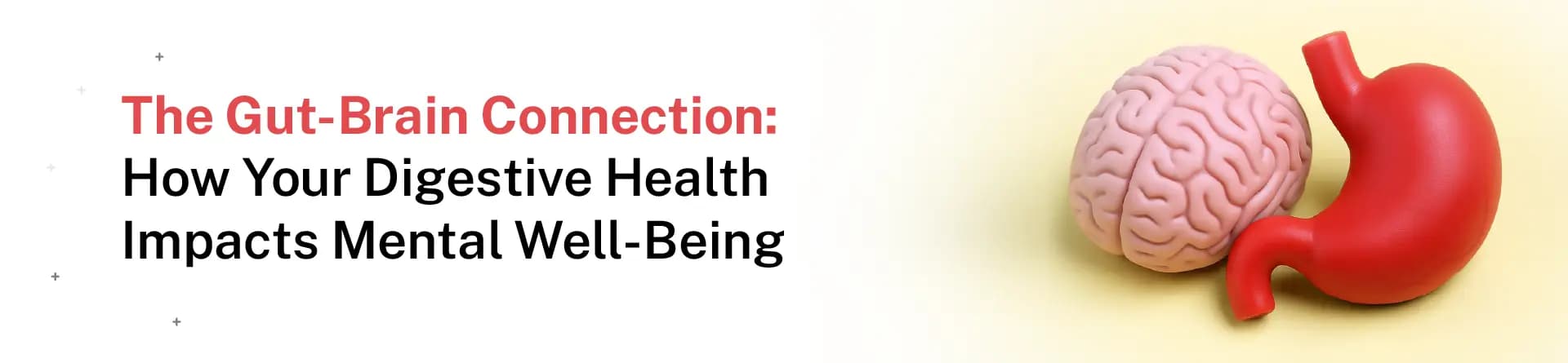
The gut–brain connection explains how your digestive system and brain constantly communicate, influencing mood, stress, and mental well-being—making gut health essential for a calmer mind and better emotional balance.
Have you ever wondered why your stomach feels uneasy when you’re stressed or scared? Or why can anxiety lead to nausea, loss of appetite, or even sudden bathroom trips? It might seem strange, but your gut actually responds to your emotions.
Your brain and your digestive system are closely connected. They are constantly sending messages to each other. That’s how your gut “knows” when you’re worried, excited, or afraid. In this blog, we’ll explain how your gut & brain are connected to each other.
Your brain talks to your gut, and your gut talks back. This constant two-way communication is called the gut–brain connection. It helps explain why emotions can affect your stomach and why gut problems can affect your mood.
If you’ve ever felt nervous before an event and noticed stomach discomfort, or felt low and lost your appetite, you’ve already experienced this connection.
The gut microbiome plays an important role in how the brain works. The bacteria in your gut produce chemicals that send messages to the brain and influence how you feel and think.
A healthy gut also helps control inflammation in the body. This matters because long-term inflammation can affect brain function and increase the risk of low mood or anxiety.
The gut and brain also work together to manage stress. When your gut is healthy, your body may handle stress better and recover more easily. When the gut microbiome becomes unbalanced—a condition called dysbiosis—it can lead to digestive problems and affect mental health.
People may experience anxiety, low mood, poor focus, or trouble sleeping. This close link is why caring for your gut is so important for overall mental well-being.
Key facts you should know
Research shows that gut health and anxiety are closely linked. People with irritable bowel syndrome (IBS), bloating, or chronic constipation often report higher levels of stress and anxiety. Similarly, depression and mood disorders can be connected to poor digestive health.
This happens because an unhealthy gut can:
By improving gut health, you can support better mental well-being. This does not replace therapy or medication for mental disorders, but it can be an important part of overall treatment.
A lot of people ask, “What should I eat to keep my gut and mind healthy?” Answer is simple: fresh & simple food.
Most importantly, try to eat a balanced diet and limit highly processed foods, excess sugar, and alcohol. Simple, whole foods are often the best choice for both your gut and your mind.
A few simple lifestyle habits can support both your gut and your brain, helping digestion and mental well-being at the same time.
Consistently following these habits can strengthen the gut–brain connection, improve digestion, and support better mental well-being.
Even with good diet and lifestyle habits, sometimes digestive problems or mental health issues need medical attention. You should consult a doctor if you notice:
A doctor can recommend tests, medication, or a tailored gut health diet to improve your digestive and mental well-being.
Your gut and brain are closely connected—taking care of one helps the other. A healthy gut can boost mood, reduce stress, and support brain function, while an unhealthy gut can affect digestion and mental well-being.
Simple habits like eating gut-friendly foods, managing stress, staying active, and following a balanced diet can strengthen this connection. Small daily changes can make a big difference—healthier gut, happier mind!
Gut bacteria produce chemicals like serotonin that influence brain function, helping regulate mood and reduce anxiety.
Yes, conditions like IBS can increase stress and contribute to anxiety or low mood due to the gut-brain connection.
Common signs include bloating, constipation, fatigue, low mood, anxiety, or trouble concentrating.
Yes, a gut health diet rich in fibre, probiotics, and prebiotics can improve digestion and support better mental well-being.
With consistent diet and lifestyle changes, noticeable improvements usually occur in a few weeks to a few months.
Yes, foods like yoghurt, kefir, bananas, oats, flaxseeds, walnuts, and vegetables support both the gut microbiome and brain function.
Written and Verified by:

Dr. Abhinav Sharma is the Director of Gastroenterology Dept. at CK Birla Hospital, Jaipur with over 16 years of experience. He specializes in advanced therapeutic GI endoscopic procedures and the treatment of complex gastrointestinal disorders.
Similar Gastro Science Blogs
Book Your Appointment TODAY
© 2024 RBH Jaipur. All Rights Reserved.


