
Gastrectomy is a surgical procedure in which part or all of the stomach is removed. A total gastrectomy involves removing the entire stomach, while a partial gastrectomy removes only a portion of it. This surgery may be recommended to treat conditions such as stomach (gastric) cancer, severe (Class III) obesity, or other serious stomach disorders that do not improve with non-surgical treatments like medications or lifestyle modifications.
A gastrectomy is a surgery that removes a diseased portion of the stomach or the entire stomach. After removal, the digestive system is reconstructed so that food can continue to move through the body. Gastrectomy is recommended when the stomach itself becomes the source of the problem.
Doctors may suggest this surgery if:
These are common gastrectomy indications. The decision is made only after proper tests and discussions with the patient and family.
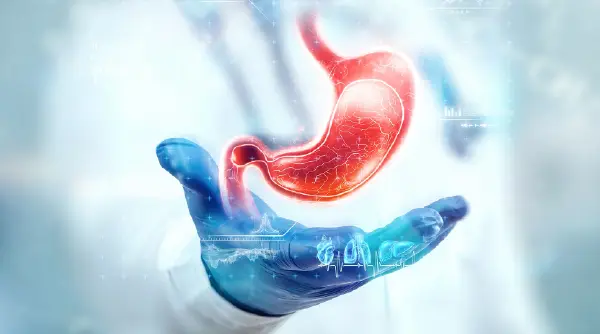
Gastrectomy surgery is used to treat several serious stomach conditions. These include:
These conditions are some of the main gastrectomy causes and gastrectomy reasons for surgery. Treating them on time can prevent life-threatening complications
There are different gastrectomy types, depending on how much of the stomach is removed.
Your surgeon will explain which gastrectomy procedure is best for your condition.
Knowing what to expect can help reduce fear before surgery.
Gastrectomy is done under general anaesthesia. You will be asleep during the procedure. The surgery can be performed as:
During the gastrectomy procedure steps:
The surgery usually takes a few hours.
Recovery time varies from person to person.
In most cases:
Regular follow-up visits help track healing and nutrition.
Eating habits change after gastrectomy. Your body needs time to adjust. Patients are usually advised to:
A dietitian helps guide you so that your body gets enough nutrients.
Life after gastrectomy is different but manageable.
Some common gastrectomy side effects include:
Most people learn to manage these changes with diet, supplements and medical advice. You can live an active and meaningful life after gastrectomy.
Using advanced robotic technology in our gastrointestinal (GI) surgery procedures has enabled our surgeons to achieve greater precision and improved patient care. We have successfully treated a wide range of GI conditions with robotic assistance, including gallbladder disease, hernias, colorectal disorders, and early-stage cancers.
Tiny incisions make surgery safer and easier for patients. Robotic technology ensures minimal blood loss and minimal pain, while recovery is faster, smoother, and more comfortable. Our team prides itself on delivering advanced, reliable, and patient-centred gastrointestinal care every day.
Choosing the right hospital makes a big difference in recovery. At the CK Birla Hospitals, Jaipur, we offer complete and compassionate gastrectomy care.
What sets us apart:
We understand that stomach surgery can be stressful. Our team is here to guide and support you at every stage.
Most people take a few weeks to months to adjust. Eating small, frequent meals helps the body adapt gradually.
Some weight loss is common, especially in the beginning. With proper diet and guidance, weight usually stabilises over time.
Yes, digestion changes after surgery. Some vitamins may not be absorbed well and lifelong supplements may be needed.
Common issues include infection, digestive discomfort, vitamin deficiencies, and dumping syndrome in some patients.
Gastrectomy is a permanent surgery. While the original problem is usually treated, long-term follow-up is important to manage new digestive changes.
© 2024 RBH Jaipur. All Rights Reserved.


