
HPB surgery is surgery involving the liver, pancreas, gallbladder, and bile ducts. These organs work closely together to help digestion, control blood sugar, and remove toxins from the body. When disease affects any of them, surgery may be needed to treat the problem and prevent serious complications.
At the CK Birla Hospitals, Jaipur, we provide advanced hepato-pancreato-biliary surgery with a focus on safety, precision, and compassionate care.
HPB surgery stands for hepato-pancreato-biliary surgery.
This surgery treats diseases affecting these organs. Some conditions are mild, while others are serious and life-threatening. HPB surgery is often complex because these organs are delicate and closely connected to major blood vessels.
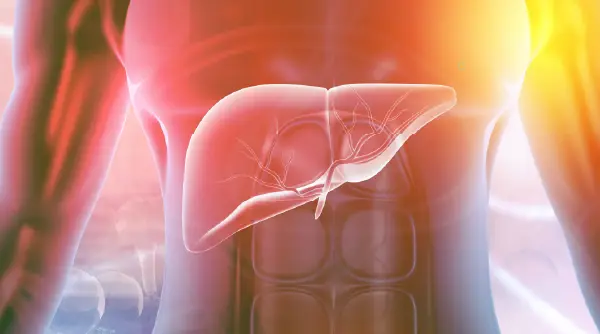
Doctors recommend HPB surgery when medicines or non-surgical treatments are not enough. Surgery helps remove diseased tissue, relieve blockages, control infection, or treat cancer. Common Liver, Pancreatic, and Biliary Disorders Requiring HPB Surgery
HPB surgery may be needed for:
In many cases, only the affected part of the liver is removed. The liver can regenerate and continue working normally.
Pancreatic diseases often require specialised HPB surgery, such as:
Pancreatic surgery is delicate and must be performed by experienced HPB surgeons.
Biliary disorders treated with HPB surgery include:
Early surgical treatment helps prevent severe infection and liver damage.
HPB surgery can be performed using different techniques. The choice depends on the condition, the stage of disease, and the patient health.
This is the traditional method. A larger incision is made to access the organs directly.
It is used when:
Open surgery allows full visibility but usually needs a longer recovery time.
Laparoscopic surgery uses small cuts and a camera. Long instruments are used to perform the surgery.
Benefits include:
Many liver, gallbladder, and bile duct surgeries can now be done laparoscopically.
Robotic HPB surgery is an advanced, minimally invasive technique. The surgeon controls robotic arms to achieve precise movements.
Advantages include:
Robotic surgery is especially useful for complex hepato-pancreatico-biliary (HPB) surgery.
HPB surgery is performed under general anaesthesia. You are asleep and pain-free during the procedure.
The duration of surgery depends on the complexity of the condition.
Recovery varies based on the type of surgery.
Patients are encouraged to walk early to prevent complications.
HPB surgery is complex but safe in experienced hands. Possible risks include:
Early detection and proper care reduce the risk of serious complications.
Most patients can return to a normal life after recovery. The body adapts well, especially when only part of an organ is removed. Regular follow-ups help monitor healing and long-term health.
With proper care, many patients experience relief from symptoms, improved quality of life, and better long-term outcomes.
Using advanced robotic technology in our gastrointestinal (GI) surgery procedures has enabled our surgeons to achieve greater precision and improved patient care. We have successfully treated a wide range of GI conditions with robotic assistance, including gallbladder disease, hernias, colorectal disorders, and early-stage cancers.
Tiny incisions make surgery safer and easier for patients. Robotic technology ensures minimal blood loss and minimal pain, while recovery is faster, smoother, and more comfortable. Our team prides itself on delivering advanced, reliable, and patient-centred gastrointestinal care every day.
The CK Birla Hospitals, Jaipur, is a trusted centre for advanced HPB surgery.
What Makes Us Different
We understand that HPB surgery can feel overwhelming. Our team supports you at every step, from diagnosis to recovery.
HPB surgery is a major surgery, but it is safe when performed by experienced specialists using modern techniques.
HPB surgery may take 2 to 8 hours, depending on the type and complexity of the procedure.
Symptoms include persistent abdominal pain, jaundice, unexplained weight loss, repeated infections, or digestive problems.
Some discomfort is expected, but pain is well controlled with medicines and improves steadily during recovery.
Hospital stays usually range from 5 to 14 days, depending on the surgery and recovery progress.
Some mild conditions improve with medicines, but many HPB diseases require surgery for effective treatment.
© 2024 RBH Jaipur. All Rights Reserved.


