Endometritis is a condition many women have never heard of. But it can affect your reproductive health if not treated on time.
The good news is that endometritis is treatable. When caught early, most women recover fully without long-term problems.
In this article, we will explain everything in simple and clear language. You will learn what endometritis is, what causes it, the symptoms to watch for, and when to see a doctor.
If you are wondering what is endometritis, here is a simple explanation.
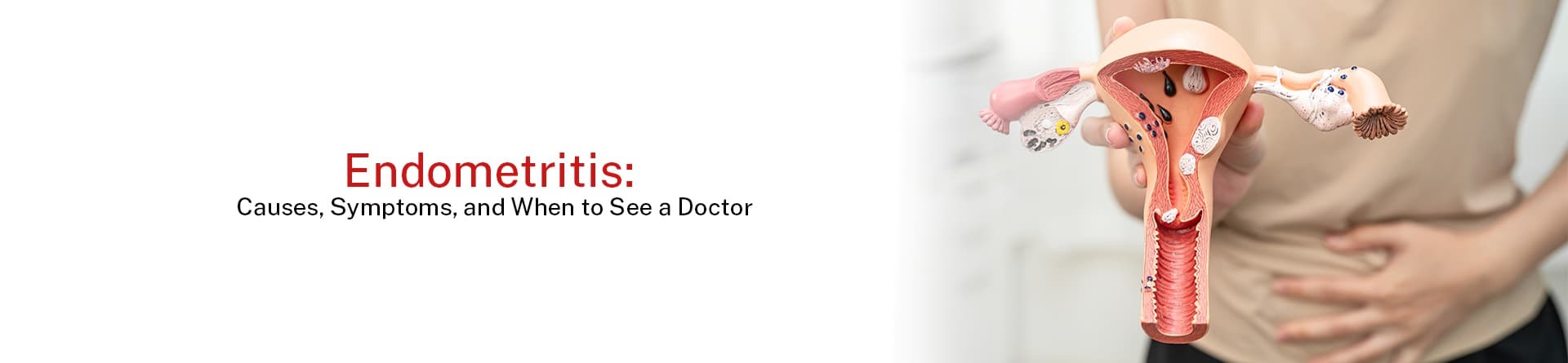
Endometritis is an infection or inflammation of the lining of the uterus. The lining of the uterus is called the endometrium. This lining thickens every month during your menstrual cycle and sheds during your period.
When bacteria enter the uterus, they can infect this lining. That infection is called endometritis.
Endometritis is not the same as endometriosis. Endometriosis is a different condition where tissue similar to the uterine lining grows outside the uterus. Endometritis is an infection inside the uterus.
Endometritis can happen after childbirth, miscarriage, abortion, or certain medical procedures. It can also be linked to sexually transmitted infections (STIs).
There are several endometritis causes. Most of them involve bacteria entering the uterus.
Common endometritis causes include:
Bacteria normally live in the vagina. In some cases, these bacteria travel upward into the uterus and cause infection. There are also certain risk factors that increase the chance of developing endometritis:
Understanding these risk factors can help women stay alert to early warning signs.
Endometritis symptoms can range from mild to severe. Some women notice symptoms quickly. Others may have mild signs that are easy to ignore.
Common endometritis symptoms include:
After childbirth, symptoms may include:
Chronic endometritis is a milder, long-lasting form of the condition. It may cause irregular bleeding or difficulty getting pregnant. Some women with chronic endometritis have very mild symptoms or none at all.
It is important not to ignore persistent pelvic pain or unusual discharge.
Endometritis diagnosis usually starts with a medical history and physical exam.
Your doctor may ask about:
During the pelvic exam, the doctor checks for tenderness in the uterus and abnormal discharge.
To confirm the diagnosis, doctors may use:
An ultrasound is sometimes referred to as an endometritis scan. While there is no single test called an “endometritis scan", ultrasound can help check for retained tissue or abscesses in the uterus. Early diagnosis is important to prevent complications.
Endometritis treatment usually involves antibiotics. These medicines kill the bacteria causing the infection.
Doctors may prescribe the following:
It is important to complete the full course of antibiotics, even if symptoms improve quickly. If endometritis is linked to retained placenta or tissue, a minor procedure may be needed to remove the remaining tissue.
The management of endometritis also includes:
Most women recover fully with prompt endometritis treatment. However, delaying treatment can increase the risk of complications.
If left untreated, endometritis can lead to serious health problems.
Possible complications include the following:
Sepsis is rare but life-threatening. It happens when infection spreads into the bloodstream. Chronic untreated infection may also cause scarring in the uterus, which can affect fertility. This is why early treatment is essential.
You should see a doctor if you notice:
If you recently gave birth or had a procedure and developed a fever and pelvic pain, seek medical care immediately. Early care prevents complications. Do not wait for symptoms to become severe.
While not all cases can be prevented, you can lower your risk by:
Hospitals also take preventive steps, such as giving antibiotics during caesarean sections, to reduce infection risk.
Endometritis is an infection of the uterine lining. It can happen after childbirth, miscarriage, medical procedures, or sexually transmitted infections.
Common endometritis symptoms include pelvic pain, fever, abnormal discharge, and unusual bleeding. The condition is treatable with antibiotics. Most women recover fully when treatment starts early.
Ignoring symptoms can lead to serious complications. That is why it is important to seek medical care if something feels wrong. Your body gives warning signs. Paying attention to them protects your reproductive health and overall well-being.
If you experience symptoms that worry you, do not hesitate to see a doctor. Early diagnosis and proper management of endometritis make all the difference.
Endometritis can become serious if untreated, but it is usually treatable with antibiotics when diagnosed early.
Most women start feeling better within a few days of treatment, but full recovery may take one to two weeks.
Doctors may use a pelvic exam, blood tests, vaginal swabs, ultrasound, or sometimes a biopsy of the uterine lining.
Yes, untreated endometritis can lead to scarring or infection that may affect fertility.
Yes, it commonly occurs after childbirth, miscarriage, abortion, or certain uterine procedures.
Written and Verified by:

Director & HOD Obstetrics & Gynecology Exp: 44 Yr
Obstetrics and Gynaecology
Dr. Bikash Banerjee is Director & HOD of Obstetrics & Gynaecology Dept. at CMRI, Kolkata with over 30 years of experience. He specializes in infertility & ART, laparoscopy & robotic gynaecological surgery, high-risk pregnancies, and complex gynaecological disorders.
Similar Obstetrics and Gynaecology Blogs
Book Your Appointment TODAY
© 2024 CMRI Kolkata. All Rights Reserved.


