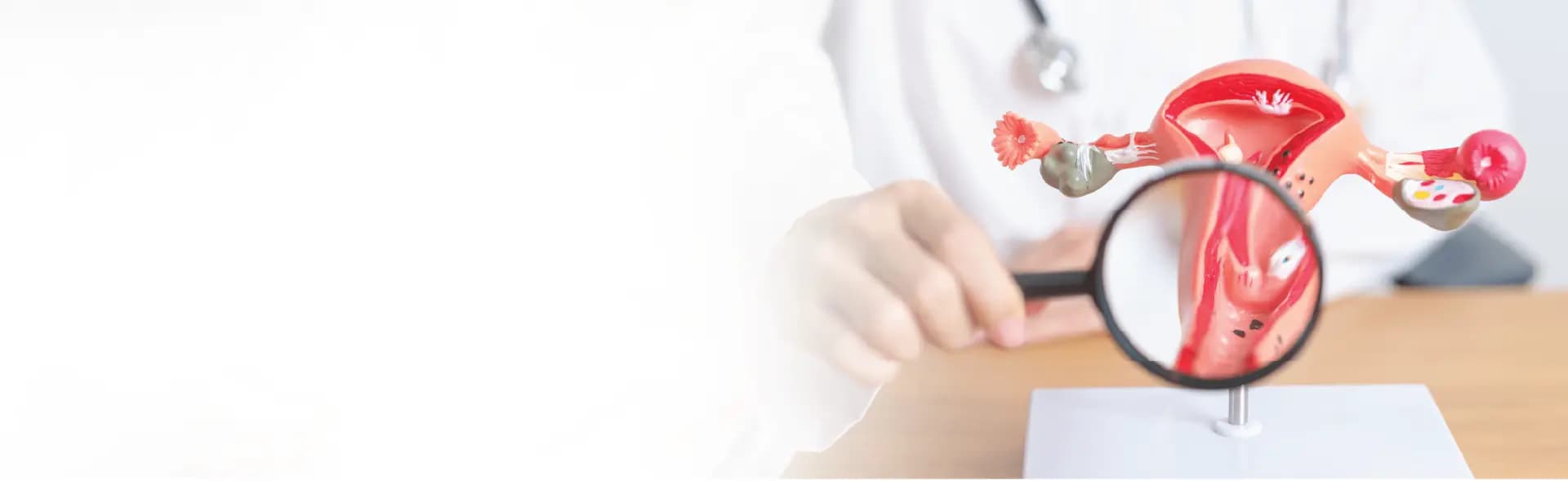
Uterine fibroids are common, noncancerous growths that grow in or around the womb (uterus). They are made of muscle and fibrous tissue. Fibroids can vary in size and number. Many women do not know they have fibroids because they often do not cause symptoms.
However, some women may experience heavy periods, pelvic pain, frequent urination, back pain or pain during sex. The right treatment for fibroids depends on their size, number and location. Treatment options may include medicines, minimally invasive procedures or surgery.
At the CK Birla Hospitals, Jaipur, you receive care from experienced gynaecologists who understand your individual needs. Our aim is to provide care that goes beyond treating your condition. We focus on relieving symptoms, protecting fertility whenever possible and improving your quality of life.

Uterine fibroids are a very common gynaecological condition among women of reproductive age. They are noncancerous tumours made of muscle and fibrous tissue that can grow in or around the uterus. Medically, they are also known as leiomyomas.
These growths can develop in different parts of the uterus. They may grow within the uterine wall, inside the uterine cavity or on the outer surface of the uterus.
The exact cause of fibroids is not fully understood. However, hormones such as oestrogen and progesterone are believed to play an important role in their growth. Other factors that may increase the risk of fibroids include:
Fibroid symptoms often improve after menopause as hormone levels naturally decline.
Uterine fibroids are classified based on where they grow within or around the uterus. The four main types include:
Many women with fibroids do not have any symptoms. In some cases, fibroids are discovered during a routine pelvic examination or ultrasound scan. When symptoms occur, they may include:
Heavy bleeding caused by fibroids can lead to anaemia. This may result in fatigue, dizziness and weakness.
When you visit us with symptoms of fibroids, we begin by discussing your symptoms, medical history and menstrual cycle. Our experienced gynaecologists may perform a pelvic examination to check for changes in the size or shape of the uterus.
If fibroids are suspected, additional tests may be recommended. These tests help confirm the diagnosis and identify the size, number and location of the fibroids.
These tests may include:
Based on the results of these tests, our specialists create a personalised treatment plan tailored to your symptoms, fertility goals and overall health.
At the CK Birla Hospitals, Jaipur, we understand that every woman's experience with fibroids is different. The size, number and location of fibroids can vary from person to person. Our specialists create a personalised treatment plan based on your symptoms, overall health and fertility goals.
If your fibroids are small and not causing symptoms, treatment may not be needed right away. In such cases, our gynaecologists may recommend regular monitoring with pelvic examinations and ultrasound scans.
However, if fibroids are causing heavy bleeding, pelvic pain, anaemia, urinary problems or bowel symptoms, treatment may be recommended. When planning your treatment, our specialists consider:
Medicines can help manage symptoms and improve your quality of life. In some cases, they may also help shrink fibroids.
Our specialists may recommend:
Our experts explain the benefits and possible side effects of each medicine before starting treatment.
If medicines do not provide adequate relief, our specialists may recommend a procedure or surgery. The right approach depends on the size, location and number of fibroids, as well as your fertility goals.
Using advanced robotic technology in our gynaecology procedures has enabled our surgeons to achieve greater precision and enhanced patient care.
We have successfully treated 50+ gynaecological conditions, including fibroids, endometriosis, ovarian cysts, and pelvic prolapse. Robotic assistance for surgery is highly effective in managing heavy bleeding, uterine disorders, and early cancers.
Tiny incisions make surgery safer and easier for patients. Robotic technology ensures minimal blood loss and very little pain, while recovery is faster, smoother, and more comfortable for women. Our team prides itself on delivering advanced, reliable, and patient-centred gynaecology care every day.
Not all fibroids affect fertility. However, some fibroids can make it harder to conceive or carry a pregnancy. Fibroids may:
Large fibroids may increase the risk of preterm labour, abnormal foetal position and caesarean delivery. If you are planning a pregnancy, speak to our gynaecologists about the most suitable uterine fibroid treatment.
At the CK Birla Hospitals, Jaipur, we understand that every woman's experience with fibroids is different. Our specialists provide personalised care based on your symptoms, lifestyle, fertility goals and overall health. Here's why women trust us for fibroid treatment in Jaipur:
Book an appointment with our specialists at the CK Birla Hospitals, Jaipur, to discuss the most suitable treatment option for your needs.
Small fibroids may shrink naturally after menopause due to lower hormone levels. However, fibroids usually do not disappear on their own during the reproductive years.
No. Many women can manage fibroids with regular monitoring, medication, or minimally invasive procedures. Surgery is recommended only when fibroids are large, cause severe symptoms, or affect fertility.
Yes, some fibroids can affect fertility by changing the shape of the uterus or blocking the fallopian tubes. They may also increase the risk of certain pregnancy complications.
The best treatment for large fibroids depends on their size, location, your symptoms, and future pregnancy plans. Treatment options may include myomectomy, uterine fibroid embolisation, or hysterectomy.
Yes. At CK Birla Hospitals, Jaipur, we offer advanced laparoscopic and minimally invasive fibroid surgeries that help reduce pain, minimise scarring, and support faster recovery.
© 2024 RBH Jaipur. All Rights Reserved.


