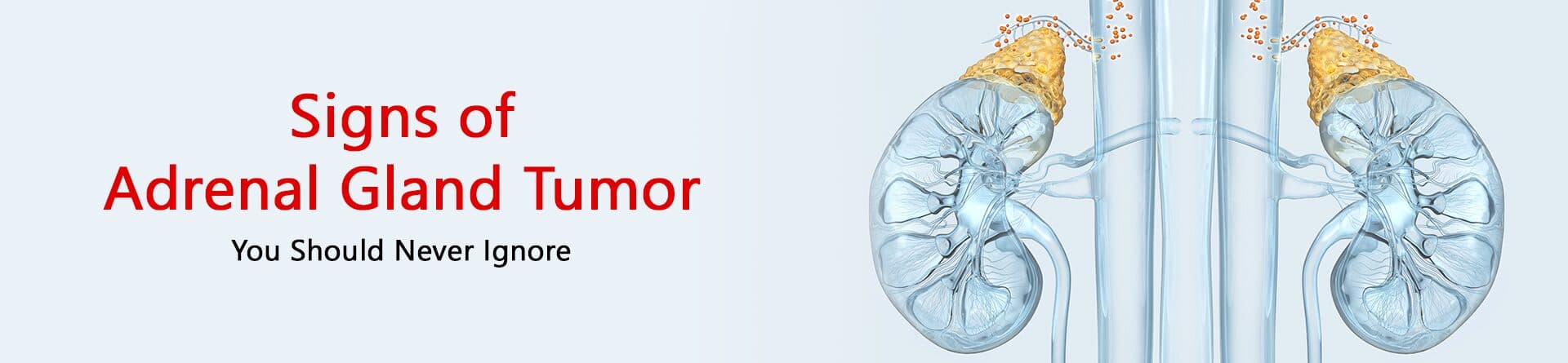
Adrenal adenomas: Benign tumors in adrenal glands causing fatigue, weight gain, high BP, mood swings from excess hormones. Key signs: weakness, headaches. Diagnose via tests/CT; treat with monitoring, meds, or surgery. Early action prevents issues—learn more!
An adrenal adenoma is a non-cancerous growth that develops in the adrenal glands. It is the most commonly seen type of adrenal gland tumour. In many cases, adrenal adenomas do not cause noticeable symptoms and may not need treatment. However, some adenomas can affect hormone production and lead to the release of excess hormones, such as cortisol, in the body.
First, you need to understand what an adrenal gland tumour is. It is a non-cancerous growth that develops in the adrenal glands. These glands are small and triangular in shape and sit on top of each kidney. They produce hormones that help the body manage stress and also play an important role in controlling blood sugar levels, blood pressure, and immune function.
Each adrenal gland has two main sections—the outer layer, called the adrenal cortex, and the inner part, known as the adrenal medulla. The cortex releases hormones such as cortisol and aldosterone, while the medulla produces hormones like adrenaline, noradrenaline, and dopamine. Adrenal adenomas usually develop in the adrenal cortex.
In most cases, adrenal adenomas do not cause noticeable symptoms and may not require treatment. However, some can interfere with normal hormone balance by producing excess hormones, which may lead to health problems.
Some common warning signs include:
If these symptoms continue for weeks or months, it is important not to ignore them.
Some adrenal tumours produce excess hormones. This is when symptoms become more noticeable. Hormonal imbalance is one of the most important adrenal gland tumour symptoms.
You may notice:
In women, hormone-related symptoms may include irregular periods, acne, or excess facial hair. In men, there may be changes in sexual health or hormone levels. These signs can feel confusing, but they are important signals from the body.
Not all adrenal tumours are cancer. Many are non-cancerous, also called benign tumours. However, benign adrenal gland tumour symptoms can still affect your health if hormones are involved.
Common symptoms include:
Even benign tumours need proper evaluation and follow-up.
Some symptoms should never be delayed. Seek medical help immediately if you experience:
These signs may indicate serious hormonal imbalance or complications related to an adrenal gland tumour.
In most cases, the exact adrenal gland tumour causes are not known. Many tumours develop without a clear reason. However, certain factors may increase the risk:
Many adrenal tumours are found accidentally during scans done for other health issues, which is why awareness is so important.
Proper adrenal gland tumour diagnosis helps doctors decide the best treatment.
Diagnosis usually includes:
Doctors carefully study all results to understand whether the tumour is active, benign, or needs further treatment.
The right adrenal gland tumour treatment depends on the size of the tumour, hormone activity, and overall health of the patient.
Observation and Medication
Small tumours that do not produce hormones may only need regular monitoring. Medications may be used to control hormone levels and symptoms.
Adrenal Gland Tumor Surgery
When the tumour is large, growing, or causing significant symptoms, adrenal gland tumour surgery may be advised. Modern surgical techniques allow many patients to recover faster with less discomfort.
Your doctor will explain the best option based on your condition.
An adrenal gland tumour may be uncommon, but its symptoms can quietly affect your daily life. If you notice unexplained weight gain, persistent high blood pressure, fatigue, or hormonal changes, do not ignore them.
Early diagnosis and timely treatment can make a big difference. Paying attention to small signs today can help protect your health tomorrow.
Some adrenal tumours can become serious if they affect hormone levels or grow over time, so timely medical evaluation is important.
Blood and urine tests can show hormone imbalances, but imaging scans are usually needed to confirm an adrenal gland tumour.
Most people start feeling better within a few weeks, though full recovery depends on the type of surgery and overall health.
Not all adrenal tumours need surgery; some can be managed with medication or regular monitoring, depending on their size and hormone activity.
Most adrenal tumours occur on their own, but a small number may be linked to inherited genetic conditions.
Written and Verified by:

Dr. Chanchal Goswami is a Consultant in Oncology at CMRI Hospital, Kolkata with over 36 years of experience. He specializes in breast, thoracic, head & neck, and genitourinary cancers, with expertise in both radiation and radiotherapy care.
Similar Oncology Blogs
Book Your Appointment TODAY
© 2024 CMRI Kolkata. All Rights Reserved.


