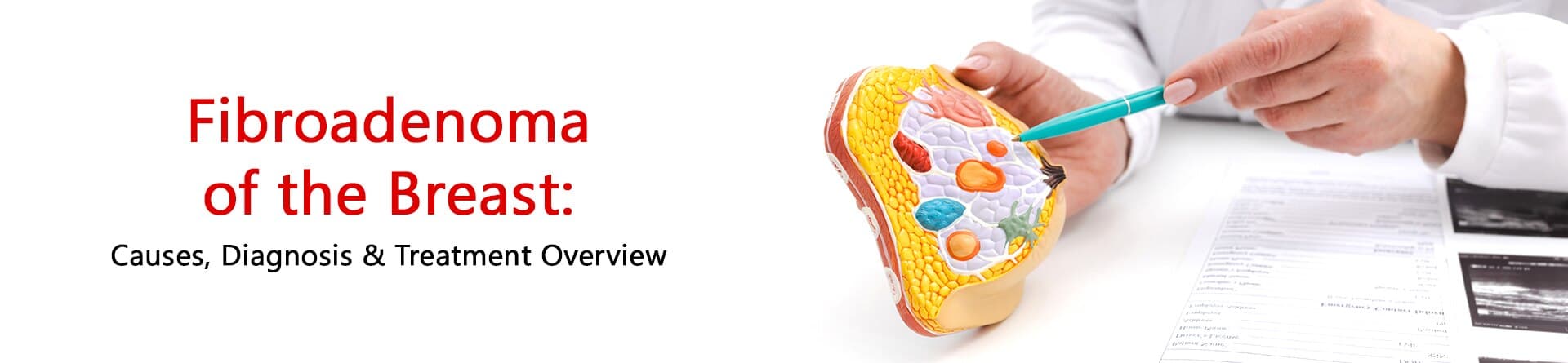
A fibroadenoma is a common, non-cancerous breast lump that often affects young women, and while it may cause concern, it is usually harmless, manageable, and very rarely linked to cancer when monitored properly.
Fibroadenomas are more common than you realise. In India, studies suggest that roughly 1 in every 4 women of reproductive age is affected by uterine fibroids.
Fibroadenomas are also widespread, with estimates indicating that about 10% of women globally may experience this condition at some point in their lives. Once diagnosed, a common worry that many women share is about the future—specifically, whether fibroids or fibroadenomas have the potential to become cancerous over time.
A fibroadenoma is a benign growth found in the breast and is not cancerous. It usually feels smooth, firm, and well-defined, forming a rounded lump made up of fibrous and glandular tissues. While it is extremely uncommon, a fibroadenoma can occasionally be associated with breast cancer.
In many cases, these lumps become smaller over time or disappear on their own without any medical intervention. A healthcare professional may choose to monitor the fibroadenoma periodically to track any changes or, in some situations, suggest surgical removal if needed.
The exact fibroadenoma causes are not fully known, but several factors may be responsible:
Because of hormonal influence, fibroadenomas are rare after menopause unless a woman is on hormone replacement therapy.
Most fibroadenoma symptoms are mild or even absent. Many women discover them during a routine self-exam or check-up. Common signs include:
It is important to note that fibroadenomas rarely cause severe pain. If you experience sudden or severe pain, consult a doctor to rule out other conditions.
Diagnosis of fibroadenoma of the breast involves a combination of clinical examination, imaging, and sometimes tissue sampling.
A doctor will feel the breast to check for lumps. Fibroadenomas usually feel firm, smooth, and mobile.
Early diagnosis by a fibroadenoma specialist can provide reassurance and prevent unnecessary worry.
Most fibroadenomas are benign and do not require immediate treatment. The approach depends on the size, symptoms, and patient preference.
A fibroadenoma specialist can guide you on the best option based on your age, symptoms, and preferences.
The good news is that fibroadenomas are benign and very rarely become cancerous. Risk factors for malignancy include complex or atypical fibroadenomas, which are uncommon.
Being aware of fibroadenoma of the breast symptoms and having routine check-ups can help catch any changes early.
Most women with fibroadenomas lead normal, active lives. With proper monitoring, treatment when necessary, and awareness, fibroadenomas rarely affect long-term health.
Fibroadenoma of the breast is a common, benign condition that is not cancerous. Understanding its causes, recognising fibroadenoma symptoms, and consulting a specialist can prevent unnecessary worry. Most fibroadenomas do not require surgery, and when treatment is needed, modern options ensure safe removal with minimal impact on the breast.
Whether you choose monitoring or removal, staying informed and having regular check-ups ensures your breast health is maintained. Remember, early diagnosis and expert guidance are the keys to managing fibroadenomas safely and confidently.
Yes, fibroadenoma is very common in young women, especially between the ages of 15 and 30, due to hormonal activity.
Yes, many fibroadenomas may shrink or disappear over time, especially after hormonal levels change or after menopause.
Most fibroadenomas do not increase breast cancer risk; only rare, complex types may slightly raise the risk.
Yes, fibroadenomas can grow during pregnancy or hormonal changes because they are sensitive to oestrogen.
No, surgery is not always needed; small, painless fibroadenomas can be safely monitored without treatment.
Fibroadenomas usually feel smooth, firm, and movable, but only a doctor and imaging tests can confirm the diagnosis.
There is no proven way to prevent fibroadenoma, but a healthy lifestyle and regular breast check-ups support overall breast health.
Written and Verified by:

Dr. Sanjay Gupta is a Consultant in Oncology Dept. at CMRI, Kolkata, with over 15 years of experience. He specializes in breast, colorectal, liver, and head & neck cancers, offering advanced oncoplastic and reconstructive surgical techniques.
Similar Oncology Blogs
Book Your Appointment TODAY
© 2024 CMRI Kolkata. All Rights Reserved.


